Poll reveals wireless service in Southold lacking
Have trouble making wireless calls from home in Southold Town? You’re not alone. A recent townwide survey revealed that nearly 50% of residents get only one bar of service in their homes.
The townwide poll received 773 online responses between July 18 and Aug. 14, when it closed. Nearly 70% of respondents said they live in Southold Town year round.
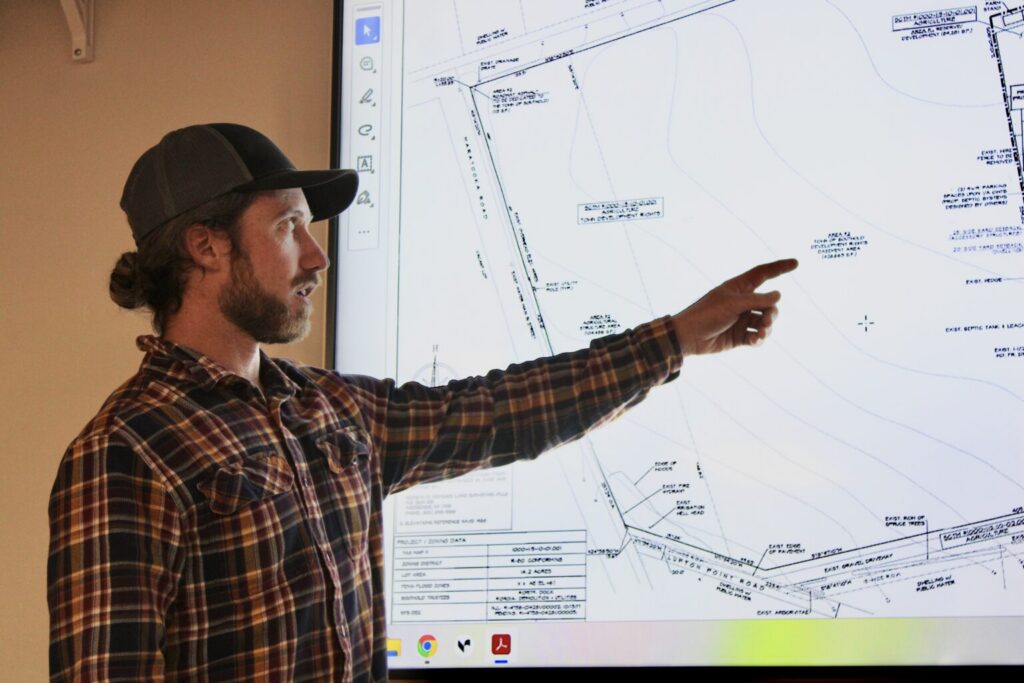
“A lot of people really voiced an opinion that they rely on their cellphones for work, health care and daily connectivity,” Susan Rabold, a consultant with Cityscape, said during a presentation of the poll results on Tuesday, Sept. 9. “And that they have a real concern for not having access to calling 911 in the event of an emergency.”
Throughout town, nearly 20% of residents said they experience inconsistent wireless cell phone coverage inside their homes. More than 25% of those who work in Southold outside their home reported one bar of service or inconsistent service in the survey.
When traveling throughout town, 50% of survey respondents said they experience one bar of service. Another 35% said they experience inconsistent wireless coverage when traveling throughout town.
A large majority of respondents, 94%, said quality of wireless cell phone service is important to them.
Specific problem areas for service coverage, as noted by 636 respondents:
- 246 said Southold itself, including the town center and hamlet
- 153 said specific portions of Main Road
- 69 said Bayview, including the area and peninsula
- 59 said Mattituck
- 51 said the IGA store or parking lot
- 30 said everywhere throughout town
- 29 said Fishers Island
- 253 said unique specific areas
Five people said they experience no service issues in town.
Excellent cell phone connectivity was important to 53% of respondents. Good connectivity with a minimal visual impact was most important to nearly 42% of respondents.
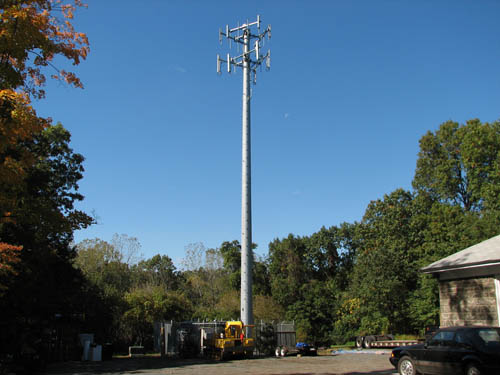
Approximately 75% of respondents preferred concealed design wireless service infrastructure, with a monopine being the most favored design. However, many comments prioritized better coverage over aesthetics.
Roughly 62% of respondents said they would prefer a mix of macro cell cites and small cell sites to fill in the existing coverage gaps throughout town.
A majority of respondents, 65%, favored placing new wireless infrastructure on town-owned property. Street rights of way, non-residential private land and other publicly-owned property were runners up, receiving 52% and 51% of respondents’ support.
Ms. Rabold proposed the Town Board consider making changes to its code regarding wireless communication facilities. She posited that priority of coverage and public necessity for safety, increased acceptable tower heights, and expanded acceptable tower design type options be included in the town code.
Other recommendations to include new definitions for base stations, and allowing concealed towers by right subject to 120 feet and 150 feet heights in certain zone districts subject to specific development standards were also noted by Ms. Rabold. Currently, all wireless communication facilities require a building permit, site plan approval and special exception approval, save for those meeting certain requirements listed in town code.