Holiday pet purchases fuel abandoned rabbit crisis
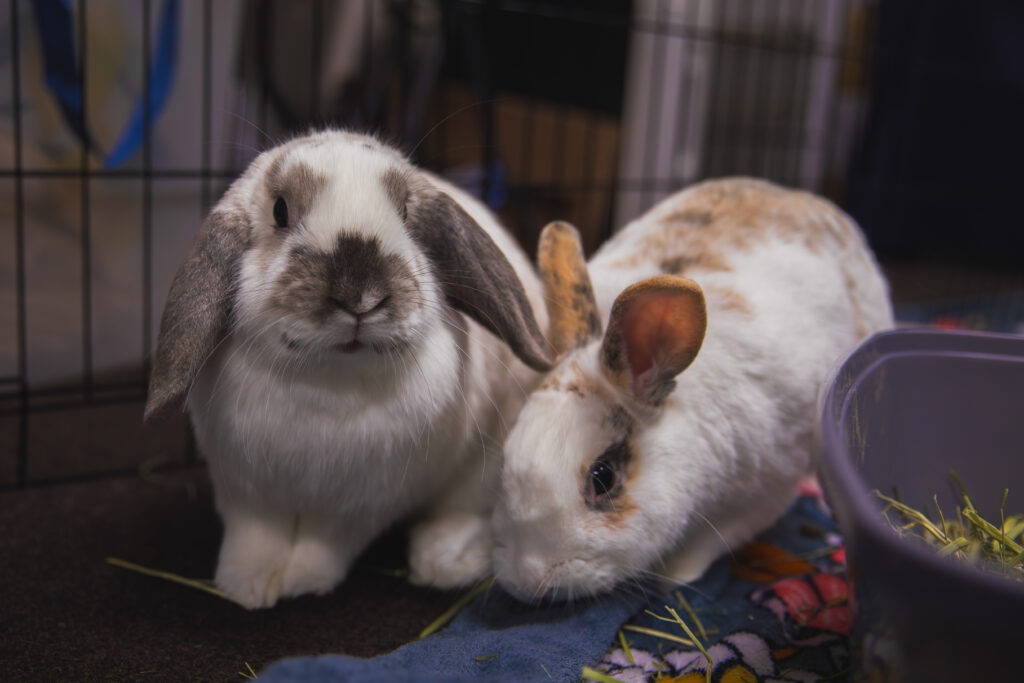
Each holiday season brings a surge of pet purchases, and, weeks later, a rise in abandoned animals — especially rabbits.
They, in particular, are frequently bought with good intentions but little understanding of their needs, leaving shelters to manage the fallout long after the decorations come down.
In Suffolk County, rescue groups say that misunderstanding has made domestic rabbits one of the most vulnerable pets in the system. Krystin Koerner, community outreach coordinator at the Southampton Animal Shelter Foundation and a Suffolk County manager for All About Rabbits Rescue, has become one of their strongest advocates.
“Rescuing an animal doesn’t end the moment they are brought to safety,” Ms. Koerner said. “True rescue continues through their entire journey — being cared for, vetted, socialized and prepared for a better life. A rescue is only truly complete when that animal is thriving in a loving forever home.”
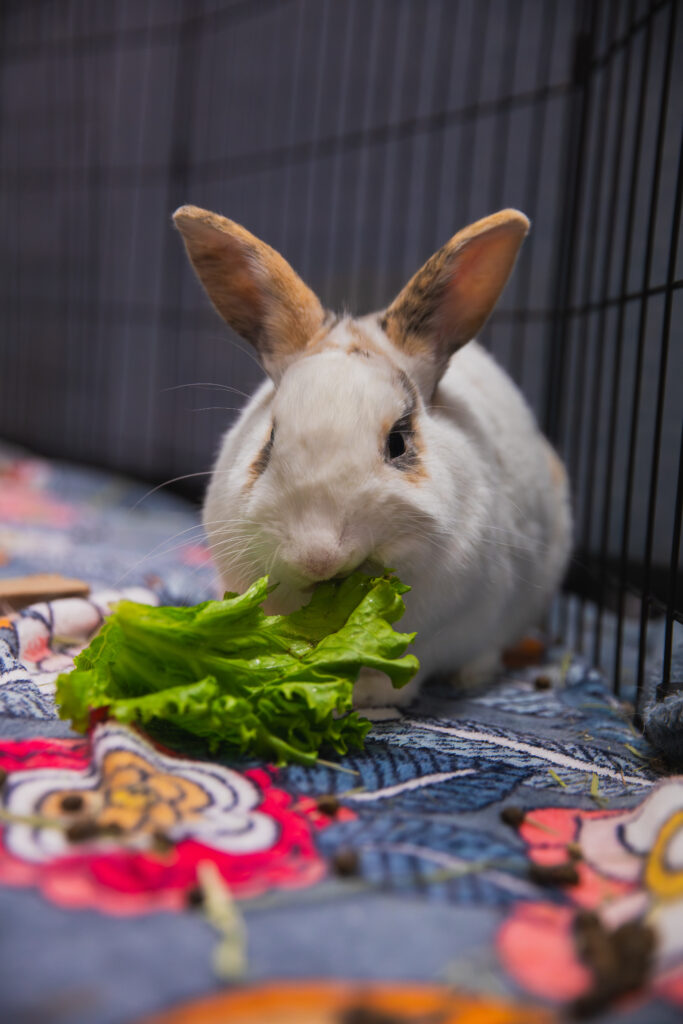
Rabbits can be as social as cats or dogs and can be litter-box trained, but they are classified as exotic animals. They must be treated by veterinarians experienced in exotic care, which can make finding and affording treatment locally difficult.
There is also the issue of supplies and housing. Rabbits require hay, fresh water, a measured amount of pellets and fresh rabbit-safe vegetables in their diet, along with adequate space to roam to remain healthy. They are also highly territorial and cannot be housed with other rabbits unless they have undergone a bonding process.
Additionally, they cannot survive in the wild. When some regretful owners find themselves unable to care for their pets and release them in a park, backyard or other outdoor space, the result is often fatal.
SASF is one of the few shelters in Suffolk County that regularly accepts rabbits. This year, the shelter has taken in 43 — and counting. SASF is receiving more calls than ever before about dumped animals and potential owner surrenders, according to Ms. Koerner.
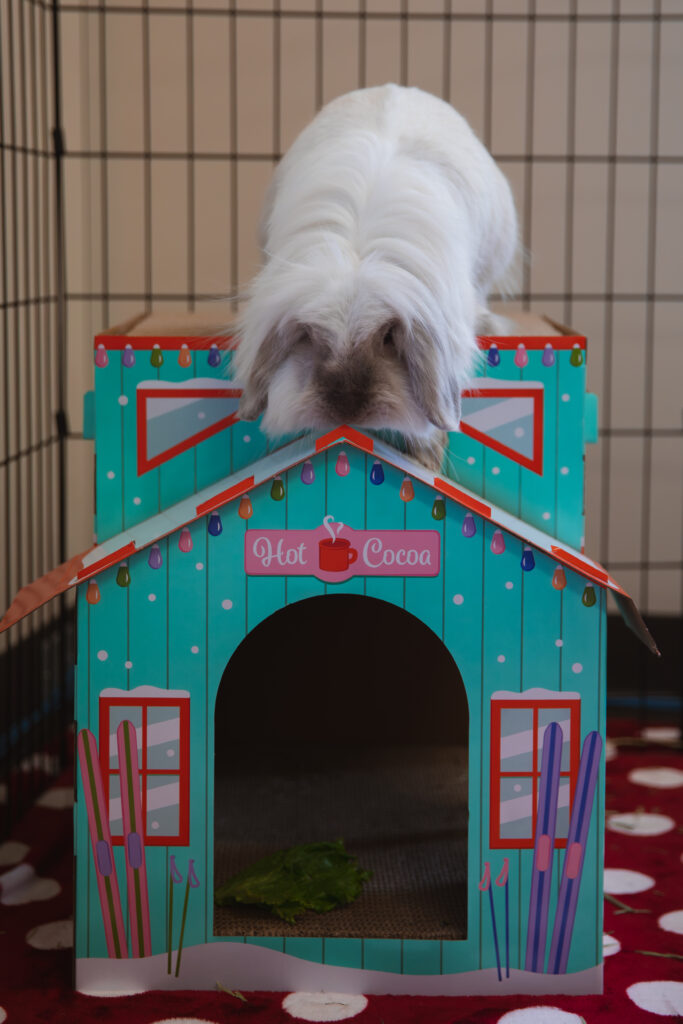
“We maintain a long waitlist and do our best to accommodate as many rabbits as possible,” she said.
That care is not cheap. Each animal costs the shelter approximately $1,000 to house, feed and provide medical care.
The shelter, which had 15 rabbits under its care as of Dec. 12, has spent $31,191 this year.
Ms. Koerner began her journey in rabbit advocacy eight years ago after learning about one living in dangerous conditions.
“One night, my boyfriend, who was working at Starbucks, told me about a customer whose daughter’s friend had a rabbit living in a dangerous home,” she recalled. “The mother was struggling with alcoholism and would often release the rabbit outside.”
After Ms. Koerner finally got her hands on the abused, dumped pet, she said the animal was in severe distress.
“(It) was covered in more than 30 ticks, many engorged, [and] soaking wet, terrified and exhausted,” Ms. Koerner said. “She required light sedation for all the ticks to be removed, followed by treatment that I helped administer during her recovery.”
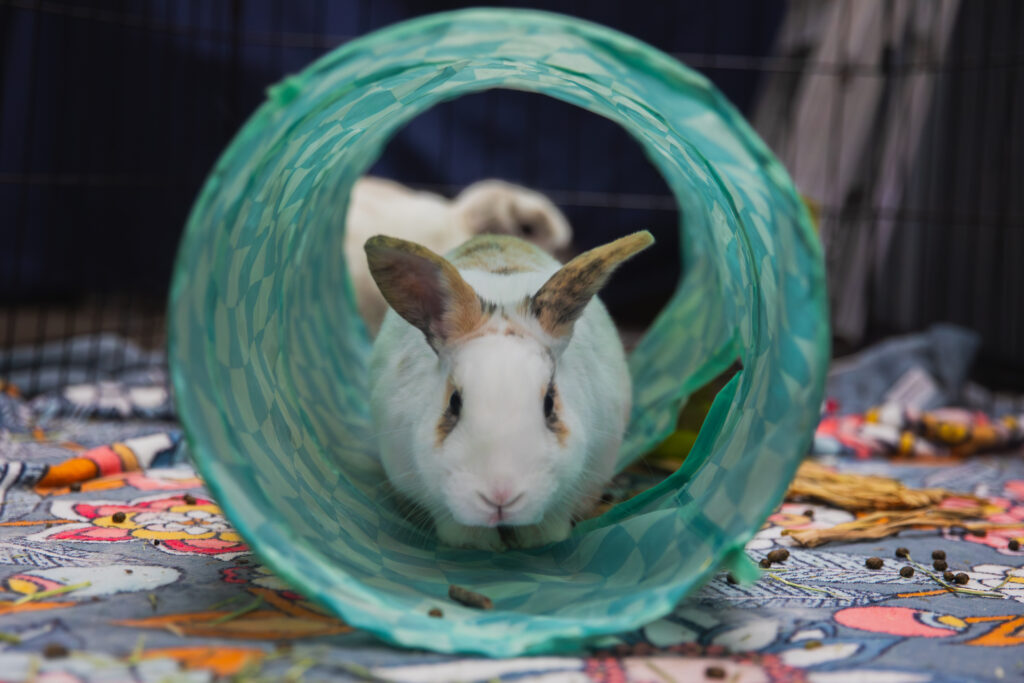
When dumped rabbits are not spayed or neutered, uncontrolled breeding begins, placing additional strain on rabbit-accepting shelters and rescues, particularly no-kill organizations.
Last month, AARR saved 12 domestic rabbits roaming and breeding on a school property on Long Island, with plans to rescue additional rabbits once more foster homes become available.
Private breeders across the country continue to sell rabbits despite overcrowded shelters filled with animals in need of homes. Some of these rabbits are subsequently dumped or even euthanized by their breeders if they cannot find a customer to take them home, a problem that intensified after New York passed the Puppy Mill Pipeline Act in December 2024, banning the sale of rabbits in retail stores.
Ms. Koerner said unexpected breeding can be the result of buyers purchasing rabbits in pairs from breeders or farms under the mistaken belief they are the same gender.
Although Suffolk County currently faces these daunting issues regarding domestic rabbits, Ms. Koerner said there are tangible ways the public can help.
Donations are appreciated, but supporting shelters like the SASF and rescues like AARR by following and interacting with them on social media, attending events and helping educate others can also make a big difference, Ms. Koerner said.