Southold supervisor voices concerns for North Fork pipeline
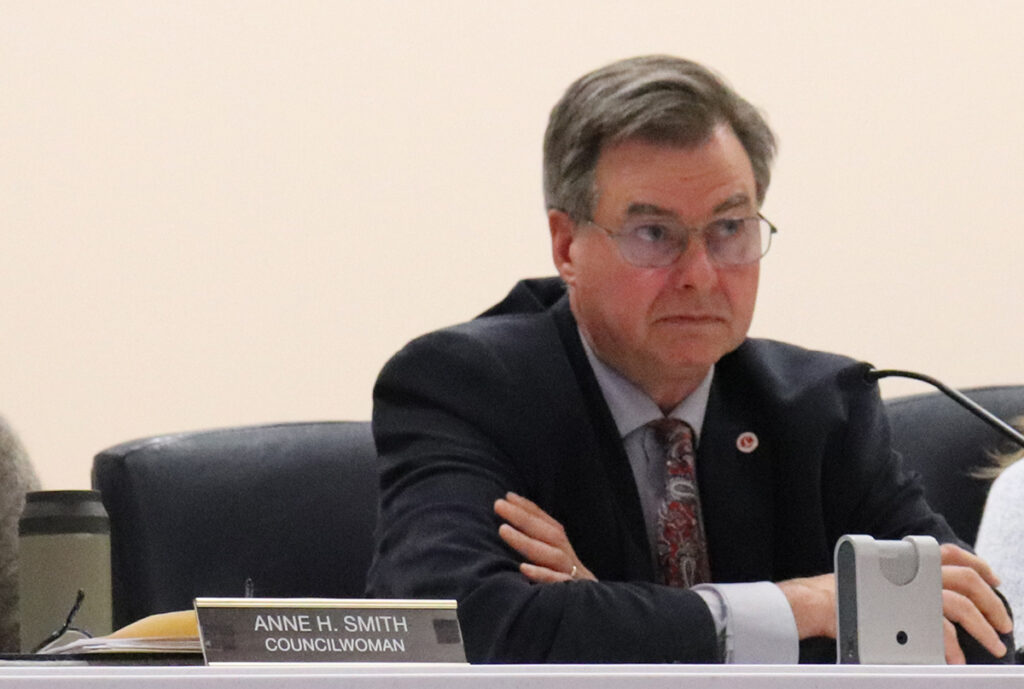
Southold Town Supervisor Al Krupski raised concerns about where water would come from for the proposed Suffolk County Water Authority pipeline — as Riverhead readies for a legal fight over the controversial $35 million project.
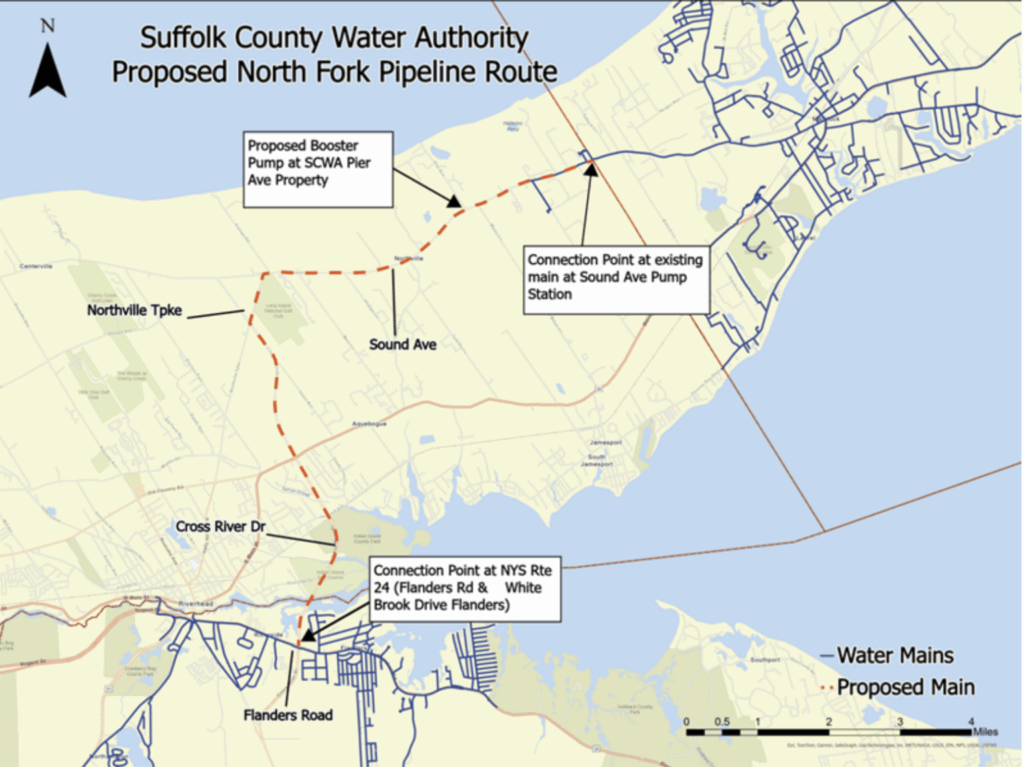
SCWA sued Riverhead Town in February to push forward with the 12-mile North Fork pipeline project. The proposed pipeline would run 8.15 miles from Flanders through Riverhead, supplying about 9,500 Southold customers whose existing wells are nearing capacity, according to the authority. The pipeline would carry water from Flanders wells through Riverhead to Southold customers.
“The proposal needs to be very clear on where the water is coming from, and what is the current quality of the source aquifer?” Mr. Krupski wrote in a letter to the editor to The Suffolk Times on Monday, March 23. “Are there any big developments that would affect water quality there? There have been three proposed routes for the pipeline, so we need to know when and how a route would be selected, and how the construction of the pipeline would be integrated into Southold’s existing infrastructure.”
He also reiterated previously shared concerns about the inclusion of the salt water intrusion study by the United States Geological Survey conducted in Orient last year.
“This is a scientific study that we should use to inform us as this pipeline extension is being considered,” Mr. Krupski noted. “Incidents of salt water intrusion in groundwater have been linked to road salt accumulating in the road run-off sumps, adjacent to public supply wells.”
SCWA says the project is critical to maintain water pressure and reliability on the North Fork, especially during summer months when irrigation demand peaks.
Southold officials have also taken steps to reduce water demand locally.
The Town Board passed a law to address water conservation as it relates to lawn irrigation in July 2025. The law requires that systems have rain sensors and smart controllers to prevent overwatering, particularly during rainfall events.
“This will result in a significant savings in water use, as we have all seen automatic systems operating when it is raining,” Mr. Krupski stated.
SCWA spokesman Daniel Dubois told the Suffolk Times the authority “remains committed to working with elected officials and the public to determine the best rout for the North Fork Water Main project,” in an emailed statement March 24. An outside consultant is preparing the project’s Draft Environmental Impact Statement, which will examine impacts to the aquifer and evaluate the specific issues raised during scoping sessions last year, he added.
“SCWA looks forward to the completion of the DEIS and re-engaging with the public this summer,” Mr. Dubois wrote.
Riverhead argues the project bypasses its zoning laws and will pose no benefit to town taxpayers.
An administrative court date for the Riverhead lawsuit is set for Wednesday, but the first steps are mainly procedural with no in-person appearance of the parties required.
“We did not ask for this,” Riverhead Town Supervisor Jerry Halpin said before a unanimous vote March 17 approved retention of special counsel for the litigation. “Now we the taxpayers, together, everyone sitting on this board, and you at home, you sitting here, and I have to pay for special counsel to defend our right to enforce our zoning and land use laws and regulations.”
Riverhead Town has agreed to pay the Sayville-based law firm $320 an hour for partners and of counsel services, $225 an hour for associates and $85 an hour for paralegal services. Mr. Halpin urged residents to reach out to SCWA president Jeff Szabo’s email directly to express their opposition to the litigation.
Mr. Szabo and the SCWA declined to comment on the Riverhead Town Board’s recent call to action.
“As this matter relates to pending litigation we will not comment,” said Dominick DiCarlo, SCWA communications assistant, in an email on March 13.
The Riverhead Town Board voted unanimously on Oct. 7, 2025, to adopt its own Monroe Test results, concluding that it had authority over the project and that the SCWA was not immune to local zoning and land-use regulations.
The Monroe Balancing Test — named for a 1988 New York Court of Appeals case — is used to decide whether one level of government can bypass another’s zoning authority. It weighs nine factors, which include the project’s public benefit, environmental impact and whether local oversight would hinder regional goals.
Southold Town Board is considering whether to hold its own Monroe Balancing Test.