North Fork ‘golf doctor’ explores modern life in new book
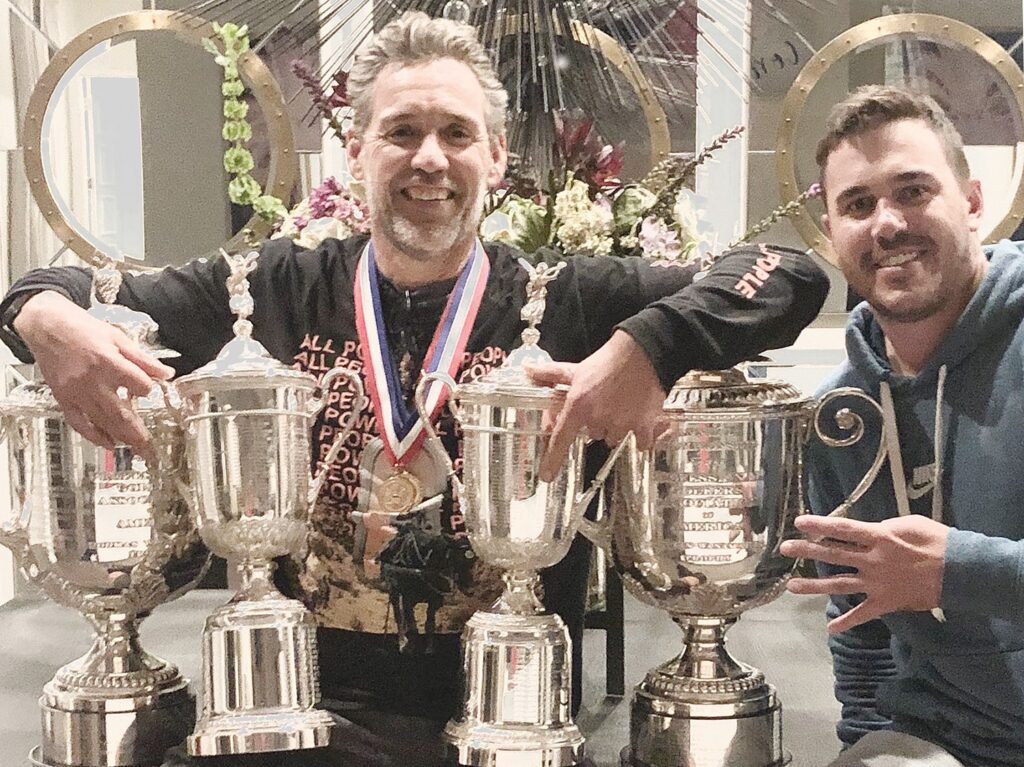
Longtime North Fork resident and physical therapist Marc Wahl, who has spent nearly two decades helping some of the world’s top golfers stay healthy enough to swing a club, wrote a book.
The Mattituck High School graduate, who lives in Cutchogue, has worked with Brooks Koepka since 2018, following him from the PGA Tour to LIV Golf and now back again. Both men are back on the East End this week with the U.S. Open’s return to Shinnecock Hills.
But the “golf doctor’s” next chapter has nothing to do with birdies and bogeys.
It is about truck drivers. Industrial workers. Mothers. Executives. People whose bodies keep absorbing pressure long after the world stops noticing what that pressure costs.
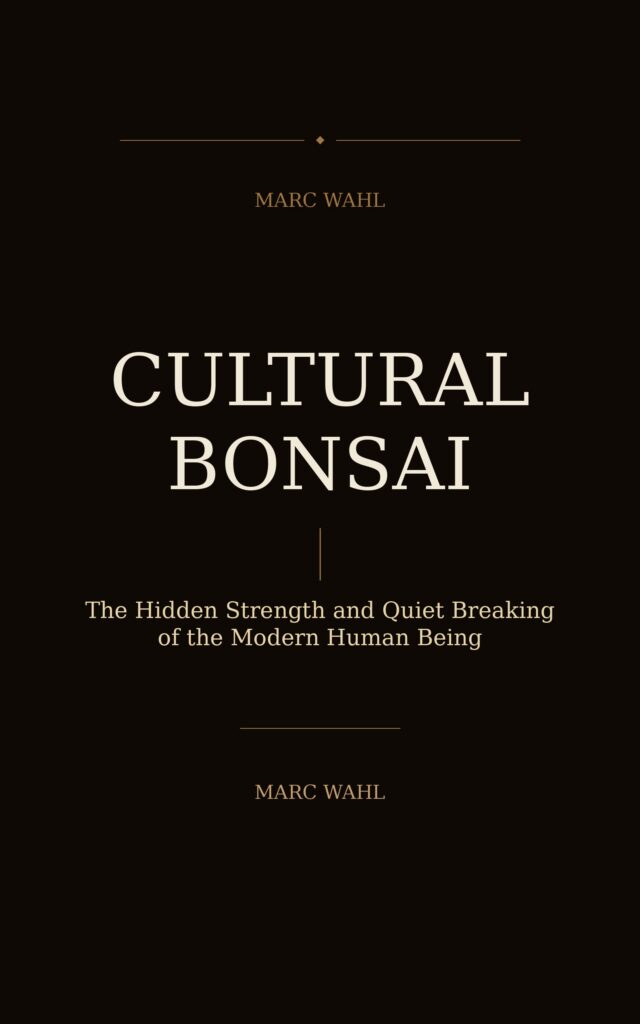
Mr. Wahl, 60, recently completed “Cultural Bonsai: The Hidden Strength and Quiet Breaking of the Modern Human Being,” a book that grew from years of watching elite athletes and everyday people adapt to demanding environments without enough time, space or support to recover.
“My job over the last 20 years has been to keep these guys able to play golf at a professional level,” Mr. Wahl said by phone from the Canadian Open, where Mr. Koepka was scheduled to play last week. “But if you look at everyday people out in the world, if you look at them like industrial athletes, a professional trucker is on the road just as many weeks, if not many more.”
That idea — that elite athletes and ordinary workers face many of the same challenges around stress, fatigue and recovery — is also behind Tour Vetted Solutions, the company Mr. Wahl founded to improve health outcomes for those with physically demanding jobs.
The work starts with basics, according to Mr. Wahl, such as improving compliance with sleep apnea machines, introducing breathing exercises and helping workers build habits that can improve long-term health
“We’re not talking about someone getting fit for a wedding or getting fit for the summer bikini or getting fit to look yoked,” he said. “We’re talking about someone just trying to be not metabolically challenged and die before they’re 63. So small gains go a long way.”
The approach mirrors what Mr. Wahl does each week on tour. He sees Mr. Koepka in the morning before practice, then again after a full day on the course. This season, the five-time major winner has had to enter extra events after returning from LIV Golf under PGA Tour restrictions that prevented him from taking sponsor exemptions.
“It’s been like nine of the last 11 weeks on the road,” Mr. Wahl said.
Before landing on some of golf’s biggest stages, Mr. Wahl began his physical therapy work on the North Fork, where his roots run deep. He has lived in Cutchogue since 1970. His mother was director of nursing at San Simeon by the Sound. His grandfather was the village electrician in Greenport during World War II.
That local path eventually carried him all the way to Shinnecock Hills.
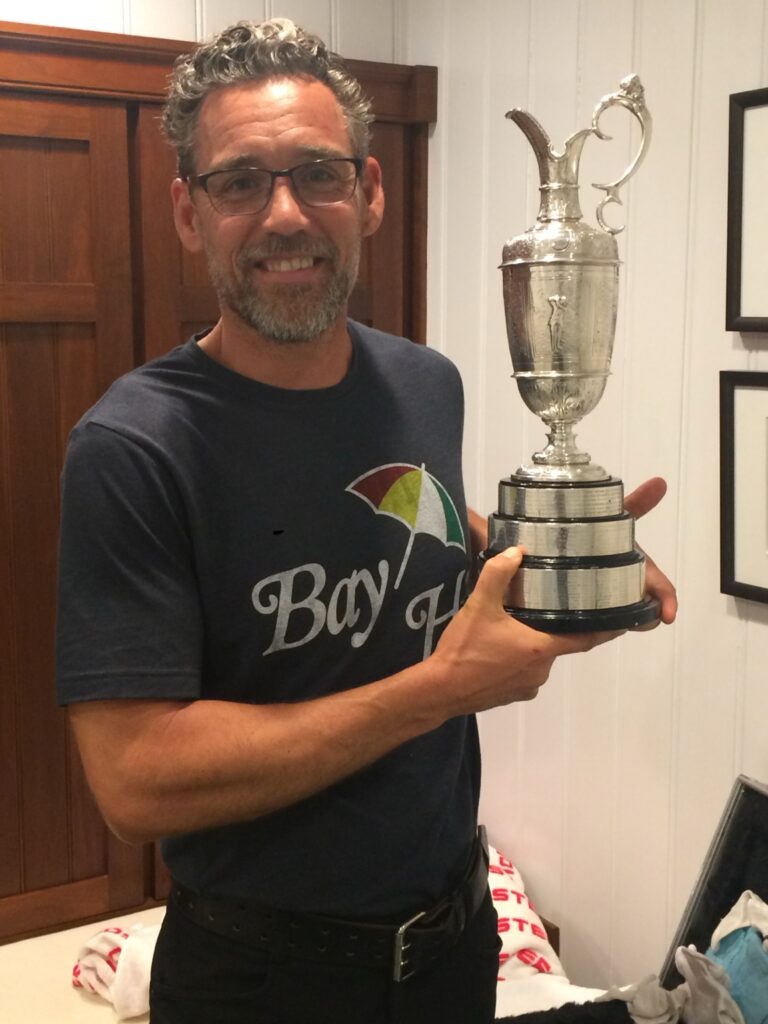
One of Mr. Wahl’s earliest memories with Mr. Koepka came at the 2018 U.S. Open. After opening with a 75, Mr. Koepka battled from near the cut line into contention with a second-round 66. Two days later, he walked away with a second straight U.S. Open title.
“That was pretty special,” Mr. Wahl recalled.
But he pointed out that Cultural Bonsai is not a golf book. Drawing on experiences from professional sports, health care and everyday life, it argues that modern people have become increasingly disconnected from basic forms of recovery, resilience and presence.
For Mr. Wahl, the question reaches well beyond Shinnecock.
“How did we get from being a hunter-gatherer to somebody that literally can’t walk outside without shoes on?” he said.