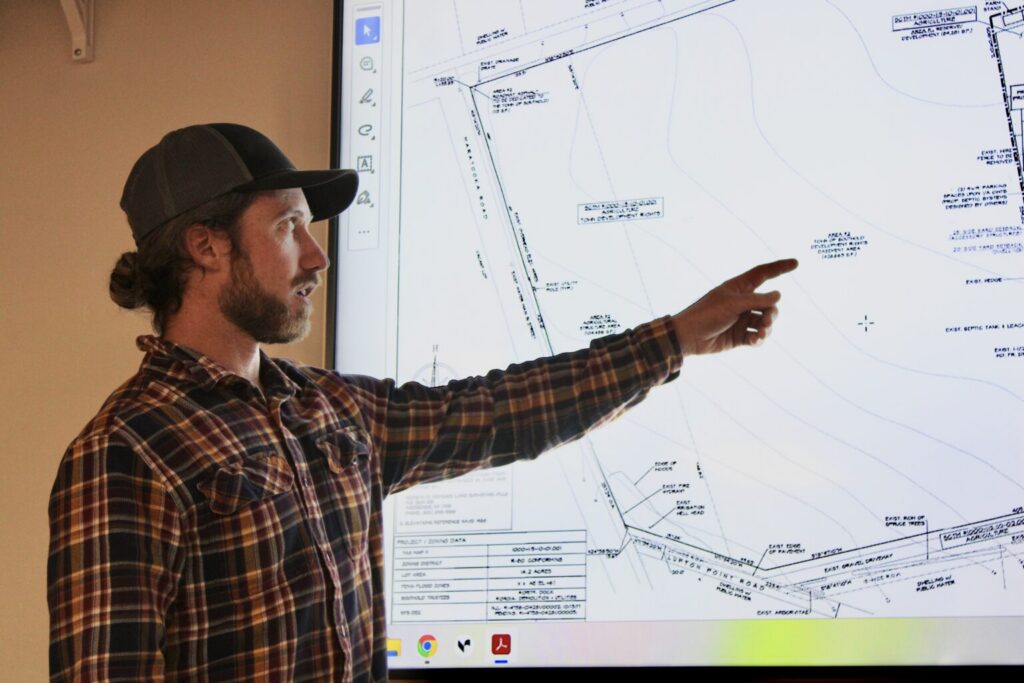
Southold State of the Town: Krupski addresses ICE, housing, cybersecurity

The state of Southold Town is … busy.
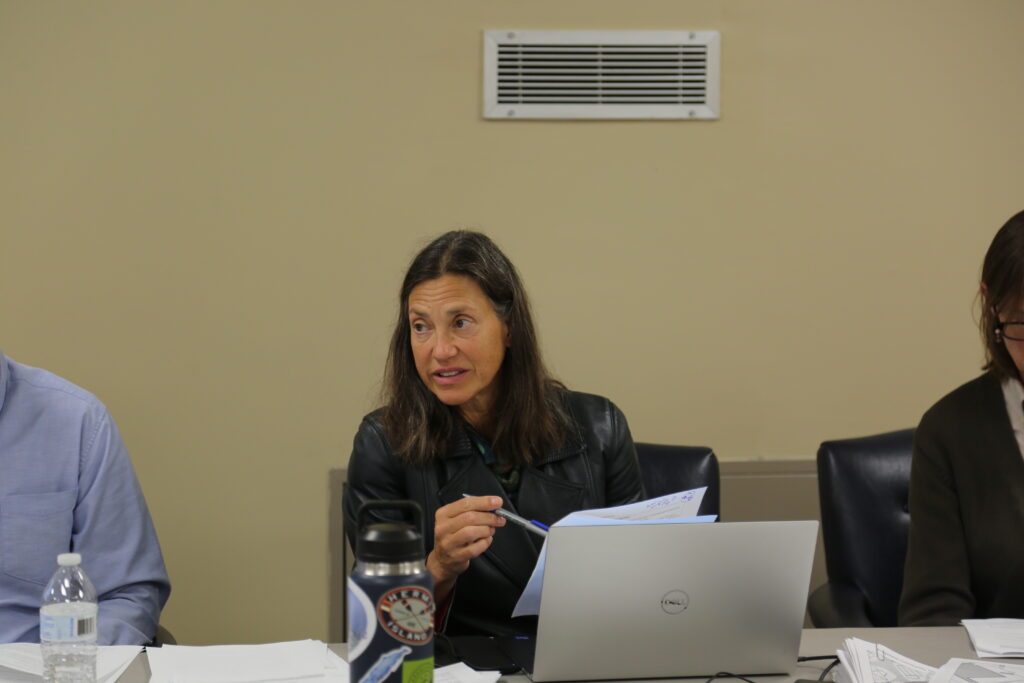
Supervisor Al Krupski provided updates Thursday night on issues ranging from housing and immigration enforcement to cybersecurity, water conservation and deer management during his third State of the Town address since taking office.
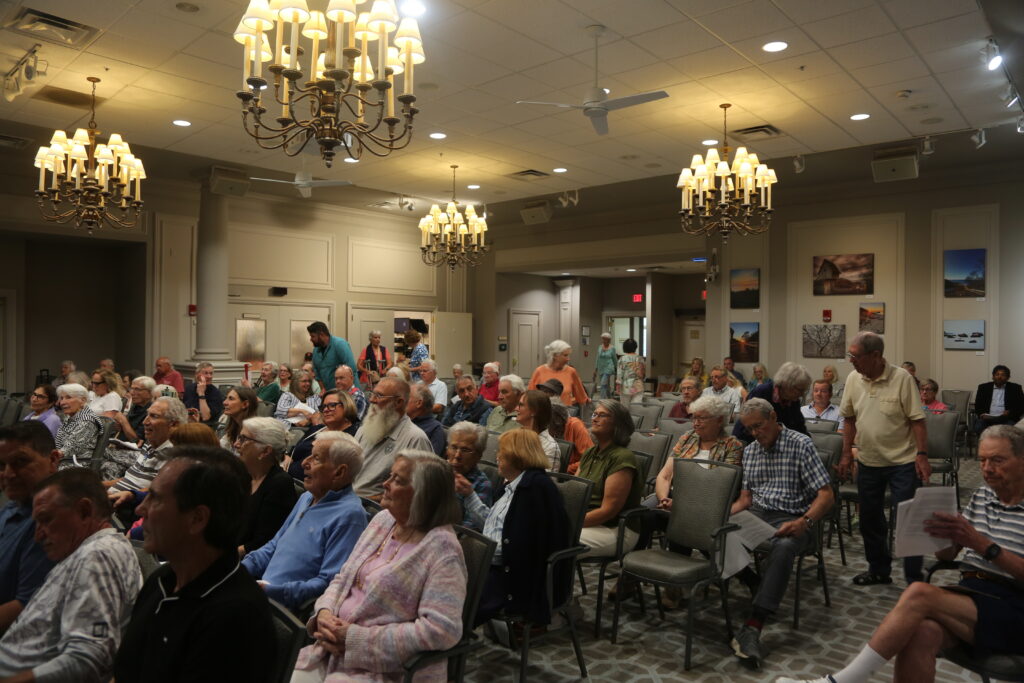
Residents filled rows of chairs beneath the chandeliers at the Peconic Landing Community Center in Greenport as Mr. Krupski discussed town priorities, problems and projects before taking questions from the audience.
One of the clearest developments came on immigration enforcement amid pressure from advocacy group OLA of Eastern Long Island to pass legislation in the wake of ICE activity on the East End.
Mr. Krupski said he hopes Police Chief Steven Grattan and the town attorney’s office will develop a formal procedure for when outside agencies, including ICE, conduct operations in Southold. The town is also working on a communications protocol for passing verified information from police to the supervisor, schools, hospitals and others who may be affected, he said.
“That protocol will be worked on, and hopefully, we’ll have a policy decision by the next meeting (on Aug. 25),” Mr. Krupski said.
Housing, meanwhile, is getting a reset. The town has shifted its four-year zoning update toward housing and appointed Andrea Sullivan as a dedicated coordinator to help implement the plan. The goal is to have the new code completed by the end of the year or early next year, Mr. Krupski said.
The supervisor also revisited last year’s cyberattack, which occurred the day before Thanksgiving and knocked out the town’s servers for several days. Laserfiche, the system residents use to access town records, was down for nearly seven months before being restored in June. Mr. Krupski said Thursday the town’s IT department worked to ensure the restored system was secure and that no data was lost.
Still, scam emails were sent last Friday to people involved in Southold Town Zoning Board of Appeals applications. The messages used the town logo and town employees’ names and requested payment from applicants. Mr. Krupski emphasized that the emails looked convincing enough that recipients were unsure whether they actually owed the money.
“These things are all over the place and I just urge everyone to be careful,” he said.
Mr. Krupski also touched on Southold’s persistent deer and tick problem, saying the town continues to seek greater flexibility from the state to expand hunting opportunities and arguing that tick-borne illness remains a public health concern. He said the town’s deer committee has previously rejected four-poster tick-control stations as ineffective for Southold.
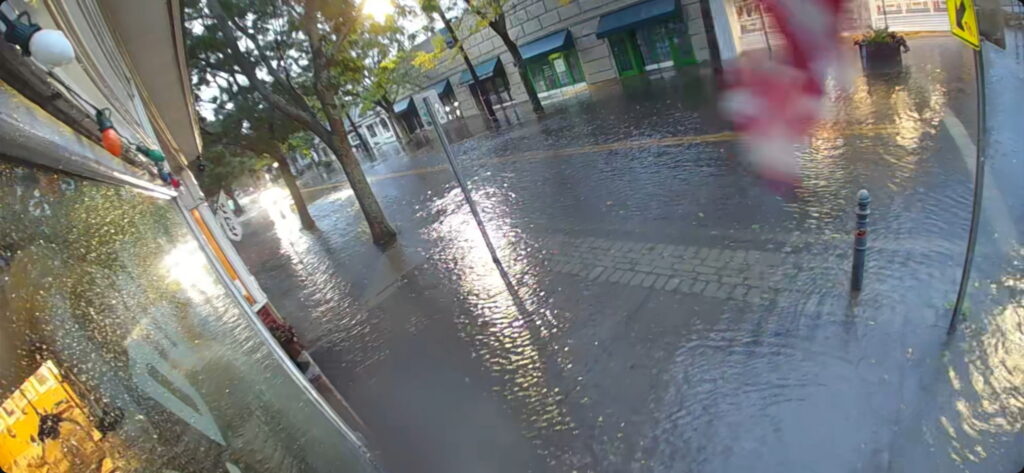
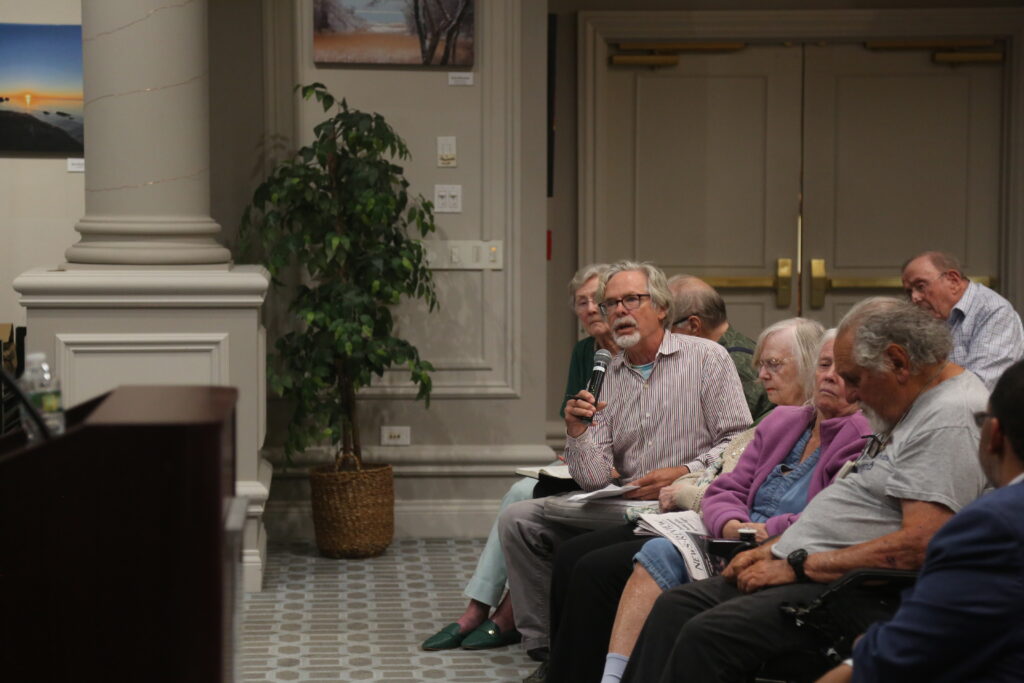
Later in the Q&A, water conservation and coastal flooding came into focus. Following roughly three inches of rain Wednesday night, resident Benja Schwartz said a path he regularly walks to a local beach had flooded and that erosion made the return trip difficult.
“I wonder how many automatic systems were pumping water this morning,” Mr. Krupski said. “And that’s the problem, we’re wasting so much water. So we need to do some conservation efforts.”
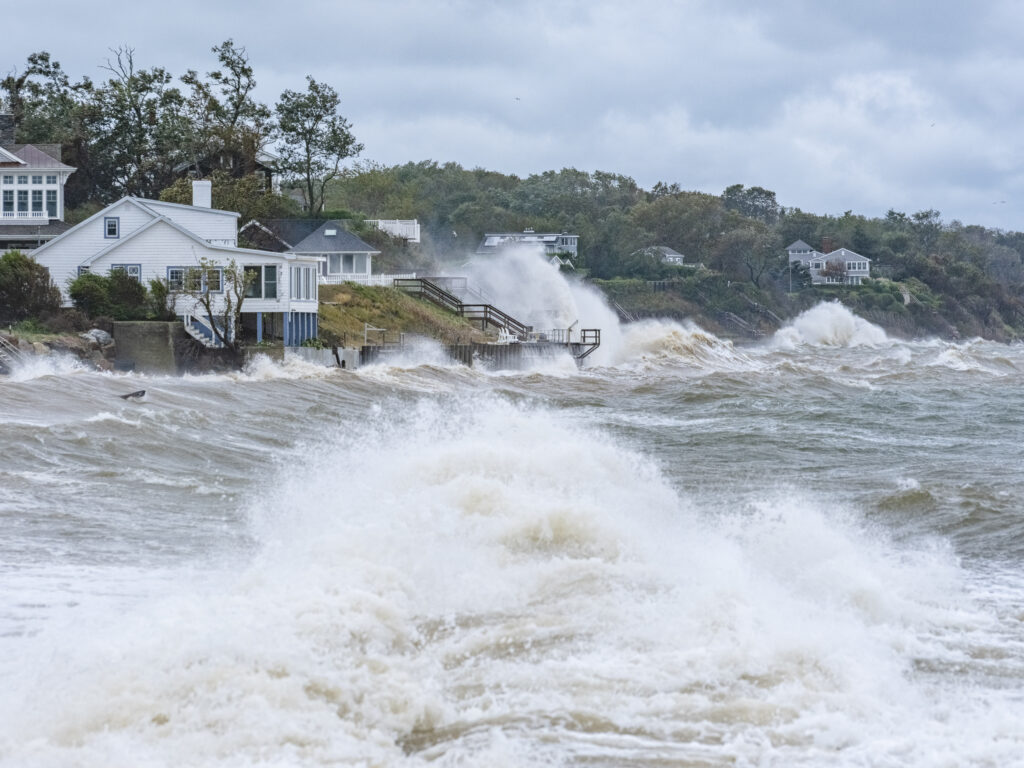
The exchange came as Mr. Krupski outlined the town’s longer-term effort to address coastal flooding, including a proposal to raise County Road 48 and the adjacent Town Beach parking lot as part of a larger resiliency project.
While the town passed water conservation legislation to address some of that waste, Mr. Krupski argued that conservation needs to be a much bigger part of the discussion around the proposed North Fork pipeline.
Mr. Krupski said part of the point of the address was to highlight the less-visible work done every day by town employees — the kind of work residents may notice only when something goes wrong.
“When they turn well, nobody knows, because everything works smoothly,” he said.