Guest Spot: It’s time to make some hard choices

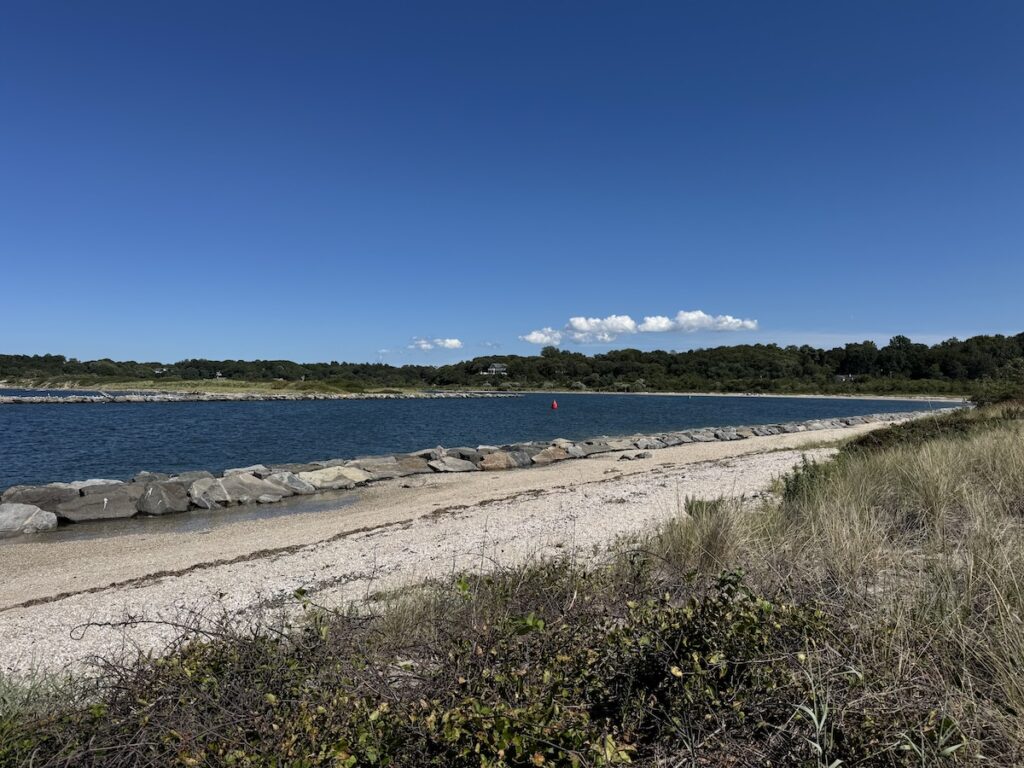
The Oct. 10 issue of The Suffolk Times ran a frontpage story on a request from Sandy Beach residents to designate their Greenport community, which is situated on a small spit of land jutting north into Sterling Basin, as a historic district. Certainly, this area is steeped in history, as is most of Greenport Village and Southold Town, but the structures that are there now don’t resemble the fishing shacks that once occupied the land. The rationale given for the request may be a noble one: preserving Greenport’s heritage. However, these homes, which have grown over time, have impacts on the environment and public safety well beyond their original form and use.
In the same edition, there was a timely editorial urging residents to prepare for weather emergences like hurricanes, which, as most readers know, are becoming more frequent and more intense due to warming in the atmosphere and water bodies. We’ve seen in the past how much damage can be done by even a winter nor’easter.
These two items represent the tension we face as a community, and they beg the question of how we will grapple with a rapidly changing world and adapt to those changes. Understanding that the residents of Sandy Beach have a deep connection to their homes, we cannot turn a blind eye to the fact that they are exceedingly vulnerable to damage from sea level rise, storm surges and erosion, as are many areas on our narrow North Fork. It is inevitable that Southold will experience the effects of sea level rise and coastal erosion in the coming decade. We can only hope we won’t be subjected to dangerous storm events in the future. Nonetheless, we should expect that they will occur and prepare for them. We must do this in the short term by preparing the community so everyone stays safe and we rebound as quickly as possible. Additionally, we must have long-term goals of protecting important infrastructure, while trying to do what we can to preserve the things that make Southold so special in the first place, including our beaches and wetlands.
We as a community must consider what our priorities should be and address them as best we can. When establishing these priorities, we must base them on what funding resources are realistically available to us, and how they will impact the community as a whole. FEMA, through a taxpayer-funded program, offers coastal homeowners subsidized insurance, but as we see more intense and often catastrophic events, this subsidy will simply not be sustainable over time. The amount of money spent on rebuilding properties and protecting them during storm events is uncertain, and the strain on improving infrastructure is enormous.
We have to make hard decisions on where to spend our money and effort on making our infrastructure more storm resilient to serve all of our residents, at least in our lifetime. I don’t deny these are difficult and often emotional decisions, but if we put them off, it will only exacerbate the threats we will surely face in the future.
Southold Town Supervisor Al Krupski served for two decades as a Town Trustee, charged with regulating all activity within 100 feet of the town’s wetlands, beaches, dunes, bluffs and banks and surrounding underwater areas.