Highway departments forced to tap into reserves following brutal blizzards
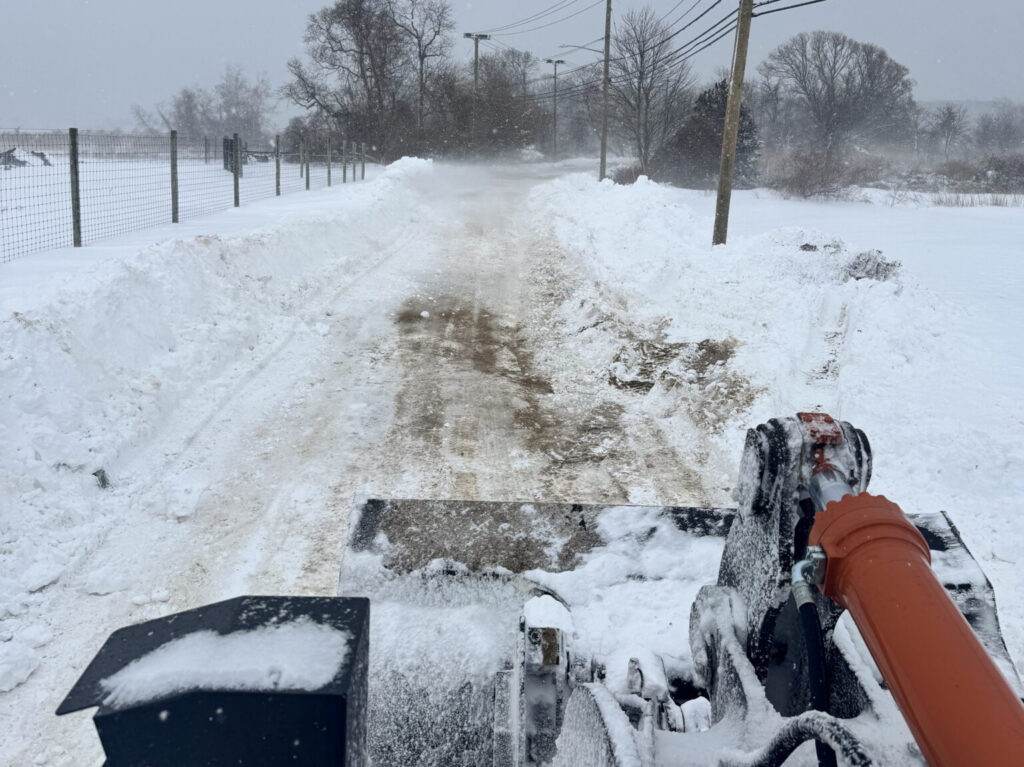
The historic Blizzard of 2026 didn’t just bury Southold and Riverhead under piles of snow — it blew through both towns’ highway budgets, forcing officials to tap reserve funds to cover the cost of keeping roads clear.
Winter Storm Hernando, which began Sunday, Feb. 22, and raged through the next day, dropped 26.5 inches of snow on Orient and 23.3 inches on Mattituck, according to the National Weather Service. Shelter Island recorded 21.1 inches. Riverhead saw 22.5 inches of snow as well, and Jamesport saw 16.6 inches.
The unprecedented amount of snowfall kept highway crews working hour after hour, both pre-treating and treating the roads with tons of salt and sand.
Southold Highway Superintendent Dan Goodwin said the department’s budget for the winter is $185,000, with $125,000 for rock salt and $60,000 for sand. Because of heavy snowfall the previous weeks, the department had reached its budget limit before the most recent storm. The highway crew requested an additional $80,000 for its salt and sand budgets.
“The way that the municipal budgets work is that we have to base it on historical data of the average amount of snowfall,” Mr. Goodwin said. “For our area, it’s generally speaking, 30 to 32 inches. With a storm like we just had, of 24 to 26 inches, we’re now nearly double what our average snowfall is.”
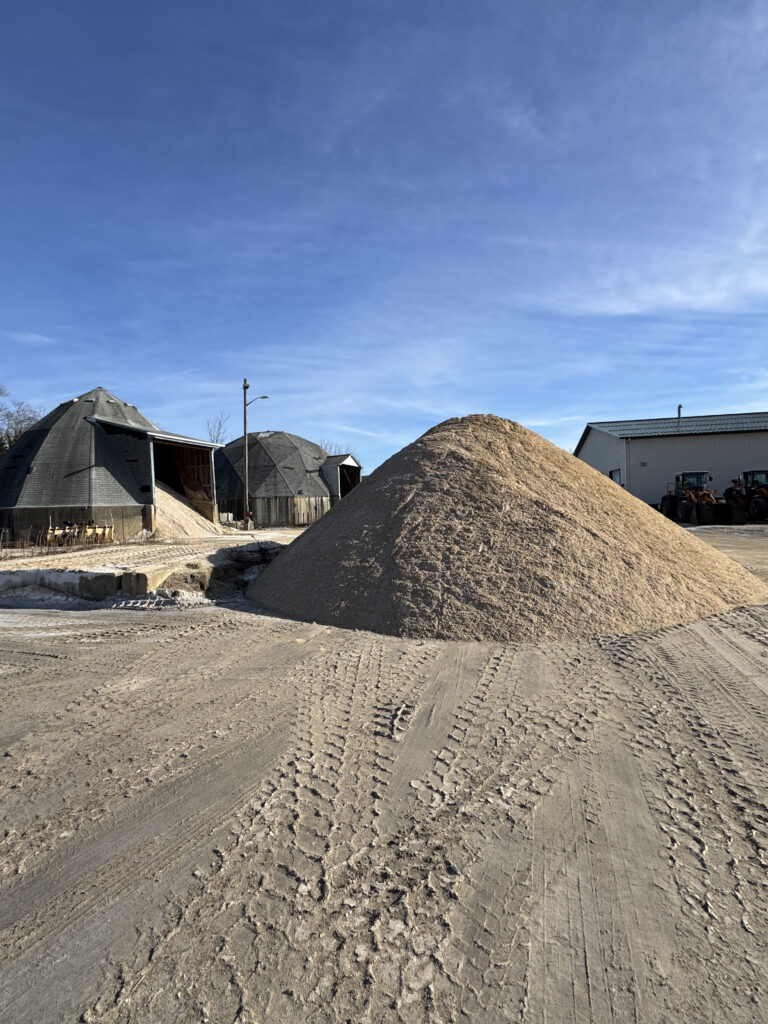
The department already had the requested funds in its reserve balance, carried over from previous years. Southold Town approved the transfer, leaving about $20,000 remaining in reserves.
Town Supervisor Al Krupski said the $80,000 will carry over into next winter as well. He noted there has always been a debate about how much equipment is needed to stay prepared.
Mr. Krupski, in his third winter as supervisor, said the previous two had been “pretty green” by comparison. “This past winter,” he said, “reshapes that debate.” He called it a good lesson for the future.
Riverhead Highway Superintendent Mike Zaleski said his department’s salt budget is roughly $200,000 — about 2,000 tons — for the winter. The department also had to dip into its reserve funds, transferring another $100,000, which he called “rare.”
“In my 32 years with the highway department, I’ve never seen a worse storm than that,” Mr. Zaleski said of Winter Storm Hernando. “The conditions, the amount, the wind, the whole combination, is the worst I’ve seen. I can’t thank my department enough, as well as the other departments within the town, for doing their job and helping us.”
Mr. Goodwin echoed the sentiment, saying the Southold crew was “all hands on deck” and that it was “one of my proudest moments working with the highway department.”
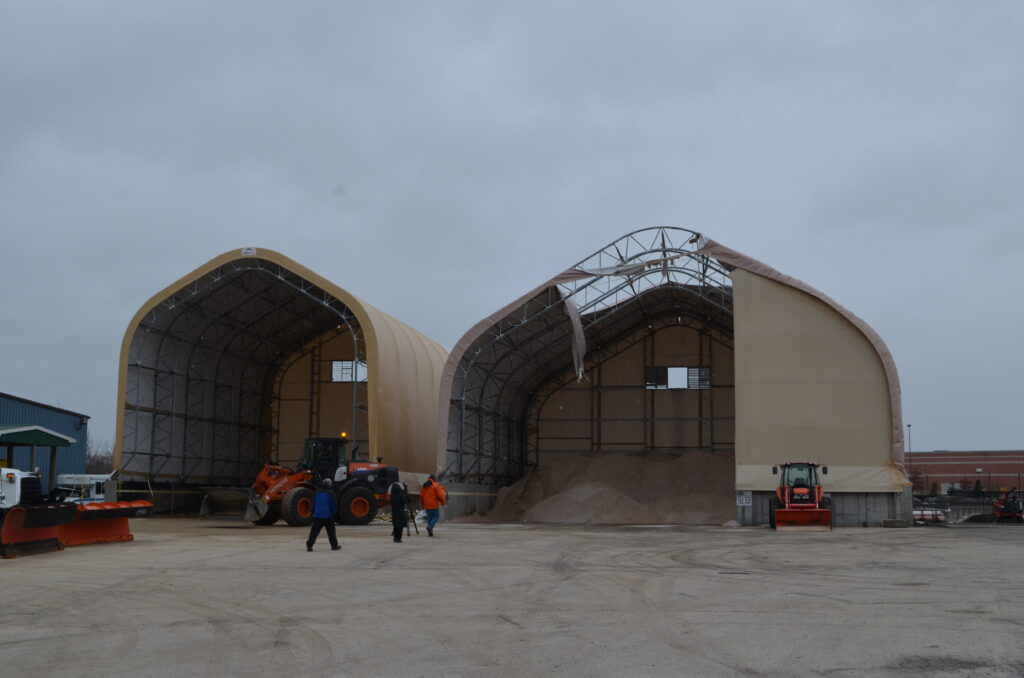
Riverhead Town Supervisor Jerry Halpin said he was “thankful” for the team effort it took to handle the storm.
“No one wants to do that, but they make sure that they’re amply supplied,” he said of the reserve funds.
The snow totals get the headlines, but the storm’s aftermath brings its own challenges. Freezing temperatures crack roads and open potholes.
“We’re already preparing for when the snow ever melts, maybe sometime in August,” Mr. Zaleski said. “We’re prepared to cut out all these problem areas and re-patch them. We’re preparing some of the machines that do the milling. It will be a long process, but this is our job, and we’re prepared when that happens.”
Jeff Grathwohl of Jamesport Auto Service said the shop sees an increase in cars coming in with damage from potholes and severe road cracks during the winter and spring months. The main issues are bent rims, damaged steering linkage and stability issues.
“They break cars. Potholes are ruining cars,” he said.
Mr. Goodwin, who was reelected last November, said managing the department’s reserve funds has to be a balance — keeping backup money available while putting it to work for taxpayers.
“It’s also important to make sure that you do have reserve funds for when things like this come up,” Mr. Goodwin said, “so that the taxpayers don’t lose out on service and that you are covered.”