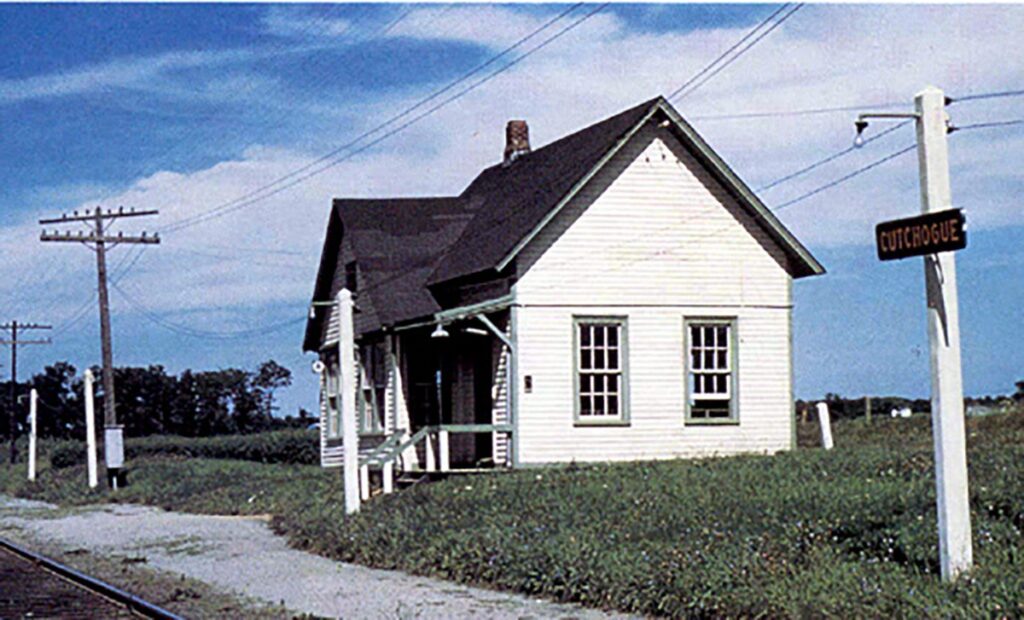
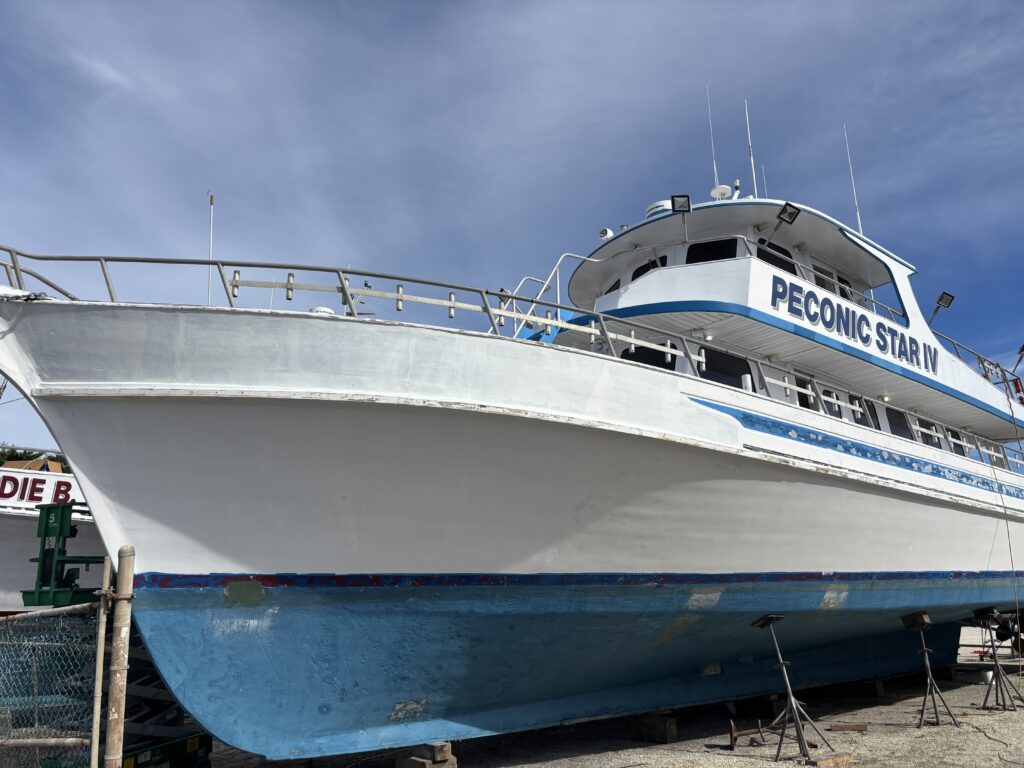
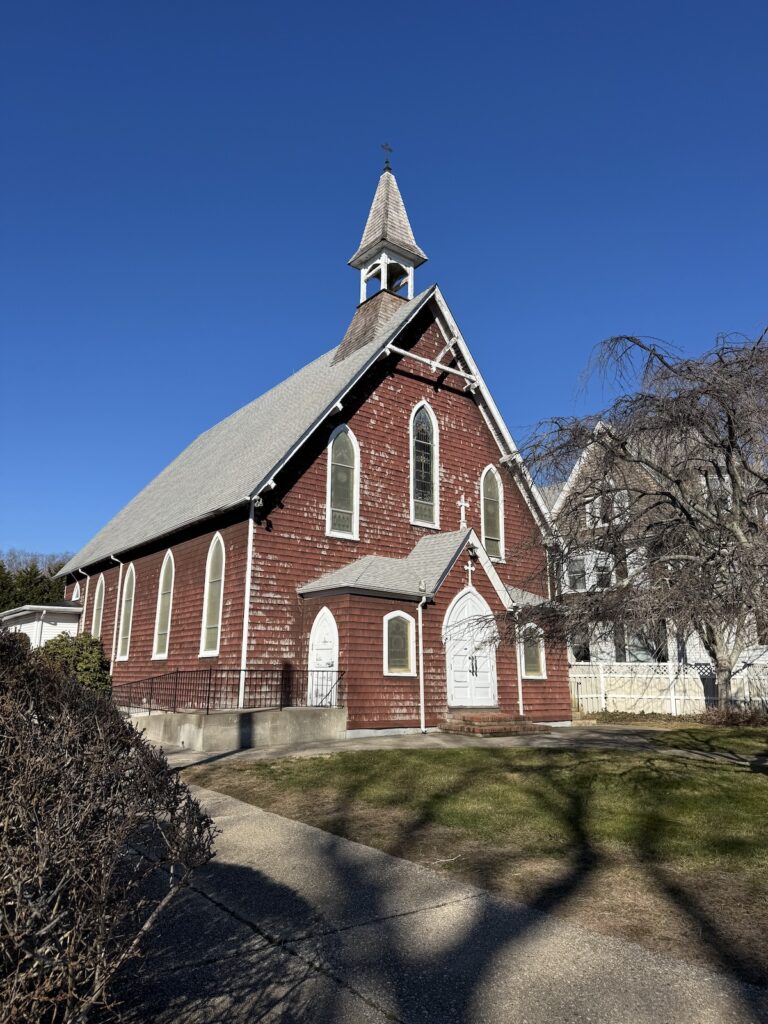
Keeping track of history: Why Greenport won LIRR race to the East End
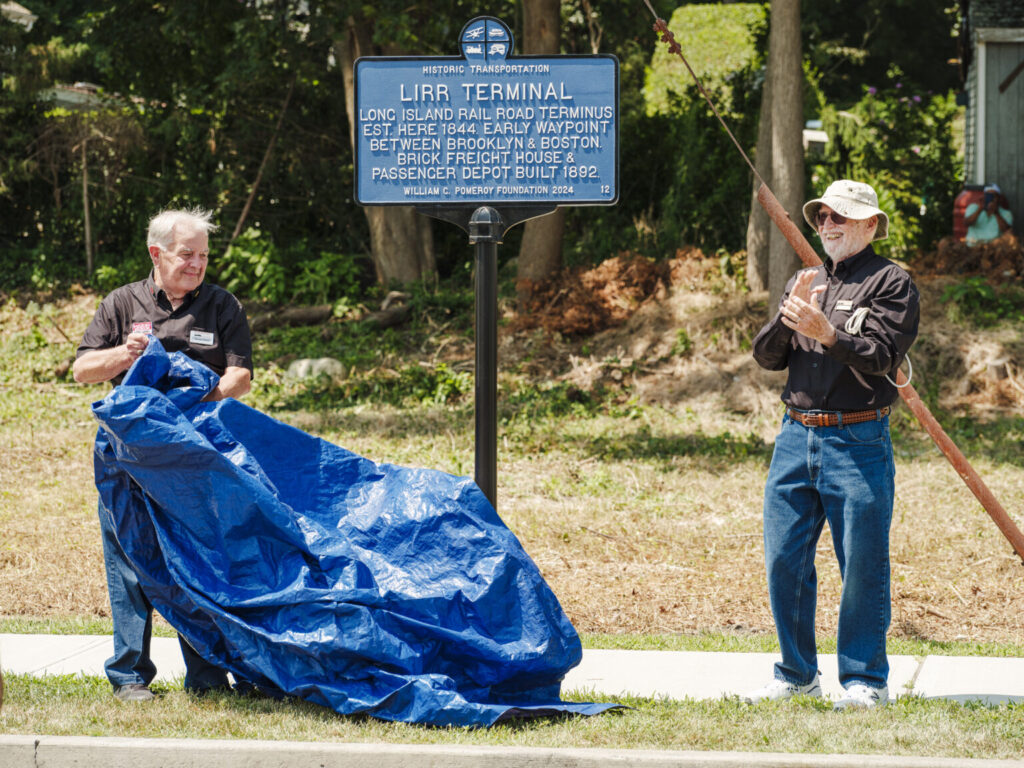
The Long Island Rail Road’s decision to extend service to Greenport rather than Sag Harbor came down to strategy and economics. In 1834, when the railroad went to the state Legislature seeking a charter, they asked to go to one of two places: Sag Harbor or Greenport. The Legislature gave them both.
However, the port of Sag Harbor was busier, meaning that the railroad would have more variables to deal with when it came to scheduling. Greenport was the most advantageous jumping-off point for passengers coming from New York City on their way to Boston.
“We like to say, that Greenport was the reason for the Long Island Railroad,” said Don Fisher, president of the Railroad Museum of Long Island.
Greenport has a deeper, wider harbor that allowed steamships in and out to Connecticut more easily. Most importantly, to get to Sag Harbor, you had to go over Shinnecock Canal, which at that time was essentially a tidal swamp where water would pass between the Peconic Bay and Southampton Bay.
“It was marshy, you would have had to bridge it over. That cost a lot of money. Also, you didn’t have the metallurgy and stuff in the early 1800s. That’s why we’re coming down Long Island anyway, because you couldn’t get across the rivers in Connecticut,” said Mr. Fisher. “At that point, we didn’t have the resources, knowledge, or the metallurgy to build bridges. We didn’t have the Portland cement to put proper piers to get across those rivers.”
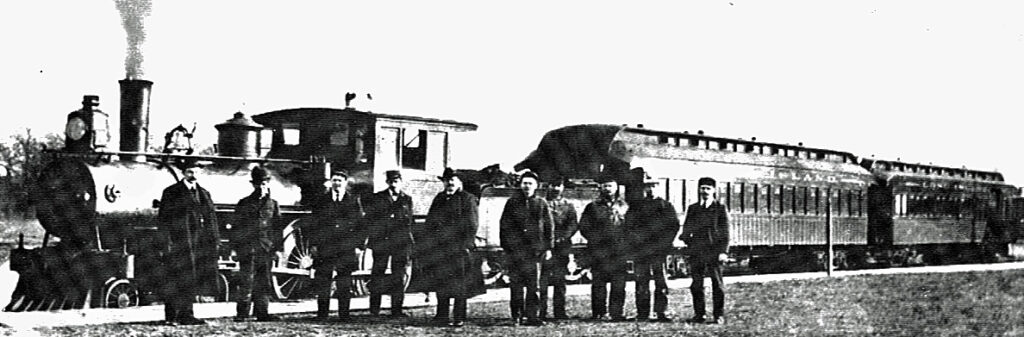
Before engineering advancements in metal and cement, it wasn’t possible to build bridges strong enough to support the weight of the trains. In order to connect points south with New England and create a corridor for both passengers and commerce, the Long Island Rail Road chose to run along the center of the island and up to Greenport. On July 27, 1844, the Greenport line began operation.
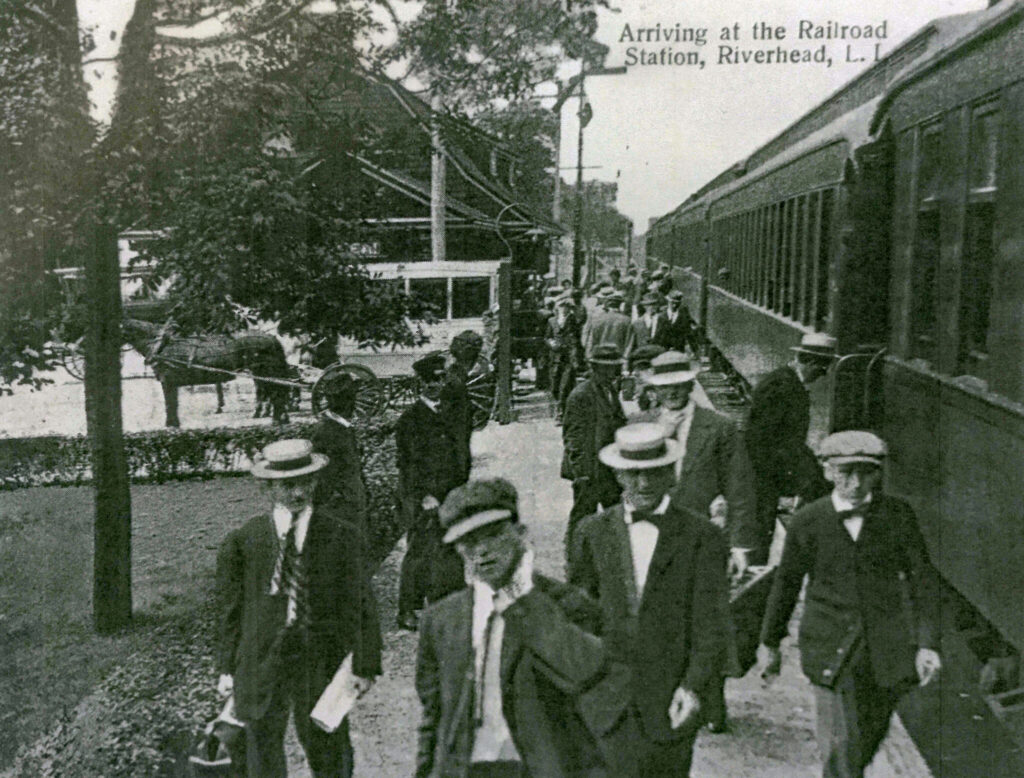
“And for five or six years, the Long Island Railroad, after it was formed, those people made a lot of money because it was the fastest way to get from New York to Boston. So you get on a boat, go across on a ferry boat to Brooklyn, you’d get on the train, and in three hours, you would be out there on the dock,” Mr. Fisher said.
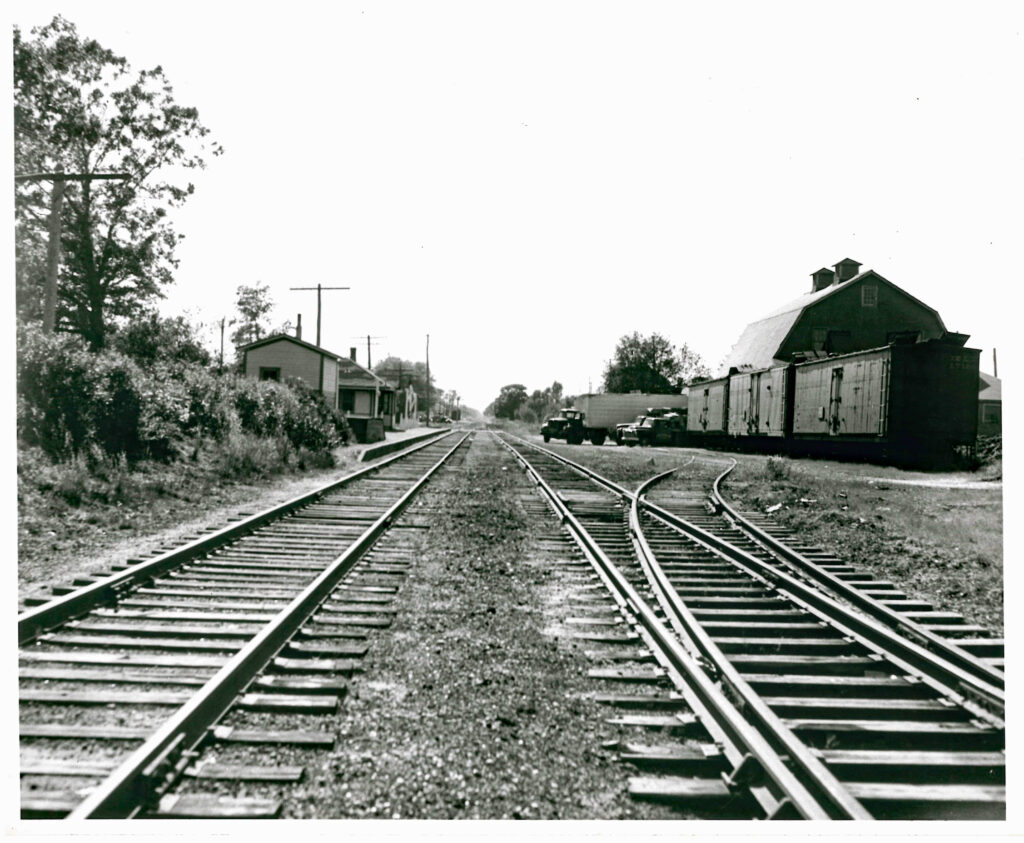
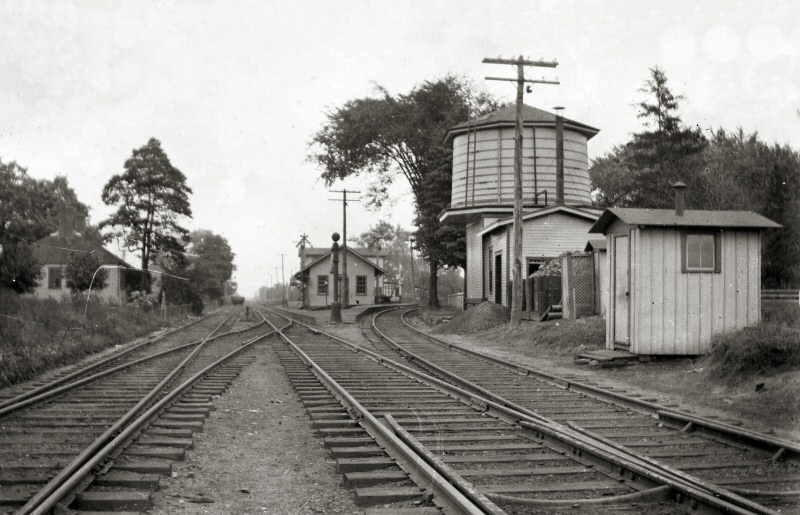
Greenport had a four-bay engine house, a hostler engine, freight houses and a turntable. The train ran right out onto the dock so that boats could unload directly into the cars.
“They got fresh oysters from out here every day. You’re going to be sending out perishables, you needed to be able to ice them down. The oysters would be put into boxes or barrels at the time, and they put ice on top of their oysters to keep them chilled. The railroad made it not only economically feasible, but physically feasible to move these perishables, because you could put it on the train in less than three hours it was in the city,” said Mr. Fisher. “The truck would run up to the train depot there in Greenport, and they would ice in on top of the oysters and the fish and then transport the stuff in.”
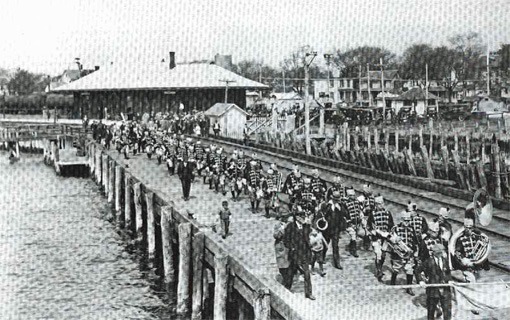
The freight house serves as the eastern outpost for the Railroad Museum and the turntable is still there. The dock still stands, with the old station serving as the East End Maritime Museum. Ownership of the line has changed hands several times, first from the MTA to Suffolk County and then to the village of Greenport.
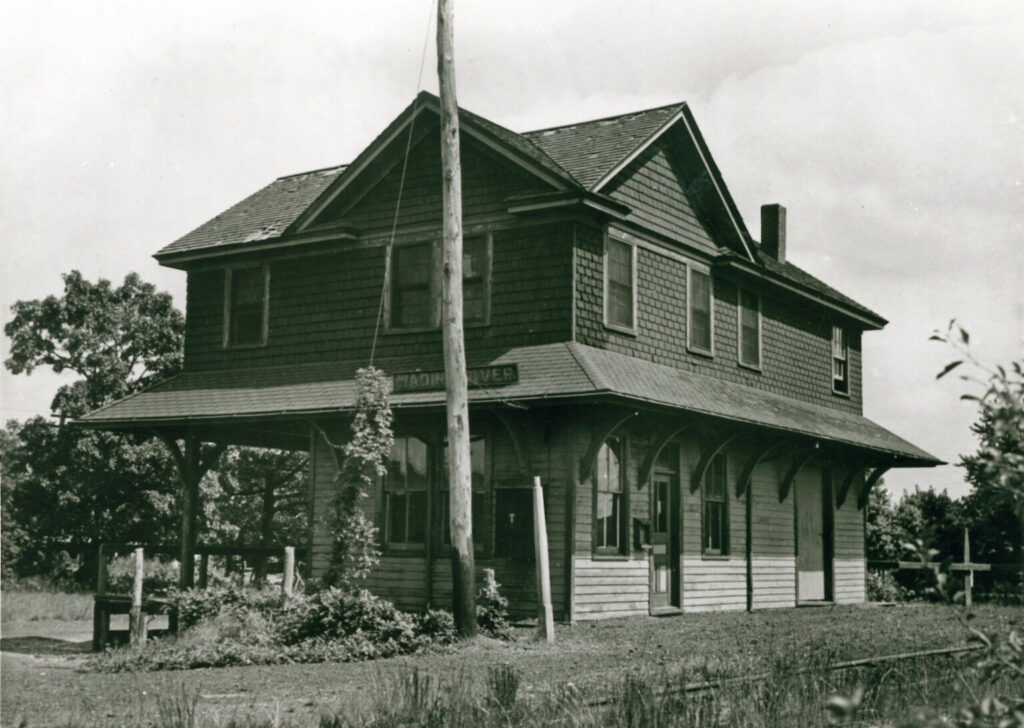
Sag Harbor eventually got its own railroad connection, but not until 1870 — more than two decades after Greenport’s line opened. The Sag Harbor branch served as the South Fork’s eastern terminus for 25 years until expansion pushed further east to Montauk in 1895.
The village’s station was rebuilt in 1909 and saw various uses, including transporting torpedoes to the wharf for testing during World War I. The branch was abandoned in 1939.
“The importance of Greenport cannot be downplayed because it was the reason for the law on the railroad,” said Mr. Fisher. “It was an important site for maintenance and preparing the trains to go back to the city the next day. It’s where the people could come and get on a train and get on their way to Boston.”
See more in the Keeping Track of History series