Guest Column: David Magaña

Hello world — er, East End
Every so often, while on a walk with Henry, an 88-year-old widower who has become my close friend, technology sneaks into our conversation.
Usually, Henry and I head out with a couple of local dogs, boxers Buddy and foster pup Princess, and on occasion Jim joins us, too, another retired widower and a welcome member of our Ram Island Walking Club here on Shelter Island.
We make our way toward the Ram’s Head Inn, commenting on the weather, the trees, the lack of traffic and how quiet things feel before summer fully arrives. Soon enough, of course, there will be bicycles, runners, landscapers, delivery trucks and the occasional motorcycle sharing the same winding roads, nudging us onto the uneven shoulder. But on this spring day, it was peaceful enough to walk and talk in the middle of the road.
Henry mentioned, almost in passing, that he missed speaking German. It was the language he grew up with, but he said he didn’t have anyone to speak with anymore.
That hit me. I spend most of my workdays building technology that can feel abstract, but this felt different: technology helping someone reconnect with a language he missed. So when we got back, I pulled out my phone and opened ChatGPT’s voice mode.
Within moments, Henry was speaking German again. Not tapping through a language app or reading from a phrasebook. Actually conversing in a language he knew but rarely had the chance to use anymore. I had no idea what he was saying, but seeing him so delighted is something I will never forget.
That was the moment I thought: This is what technology is supposed to feel like. Not intimidating. Not abstract. Not something only people in Silicon Valley talk about while raising billions for products the rest of us will never experience.
This was useful. Human, even. Henry was so tickled by the whole thing that he cracked open German beers for himself and Jim while I grabbed my Athletic Brew, and the three of us sat on his deck and laughed at how strange and wondrous the world has become.
There are many more people like Henry — neighbors, parents, retirees and small-business owners — who could benefit from technology if someone explained it without the jargon.
In my work as a product manager for a technology group, that is basically my job: helping turn complicated problems into simple solutions. My family still asks me what that means every Thanksgiving, and I’m not sure I’ve ever given the same answer twice.
Technology is moving very quickly. For some, it feels exciting. For others, it feels exhausting. For me, it’s both.
Artificial intelligence, in particular, has gone from science fiction to everyday life almost overnight. ChatGPT. Claude. Deepfakes. AI scams. Voice cloning. Self-driving cars. Junk email. Spam calls. There is a lot to keep up with, and much of it can feel overwhelming.
And yet most of the questions people ask about technology are not abstract or technical. They are practical.
- Is this text message a scam?
- Should I let my child use ChatGPT for school?
- Can AI help me plan a trip for my retired friends?
- How do I protect my small business from the next online threat?
These are not Silicon Valley questions. They are East End questions. They are family questions. They are small-business questions. They are “I just want this thing to work” questions.
I do not believe technology should make people feel scared or overwhelmed — whether the question is how to use AI for everyday tasks, how to spot scams, how to protect your passwords or how to decide if that new app or online service is worth the investment.
Quite the opposite. Most technology becomes confusing because the people who build it forget to explain it like normal human beings. But normal human beings are exactly who technology is supposed to serve. You do not need to be a computer scientist. You do not need to pretend you understand Bitcoin at a summer party. You just need to be willing to ask questions.
Henry asked, in his own way, one of the best questions: Can this thing really help me do something I miss?
It’s a question worth asking about every new technology that comes our way.
So, hello, East End. I’m looking forward to the conversation.
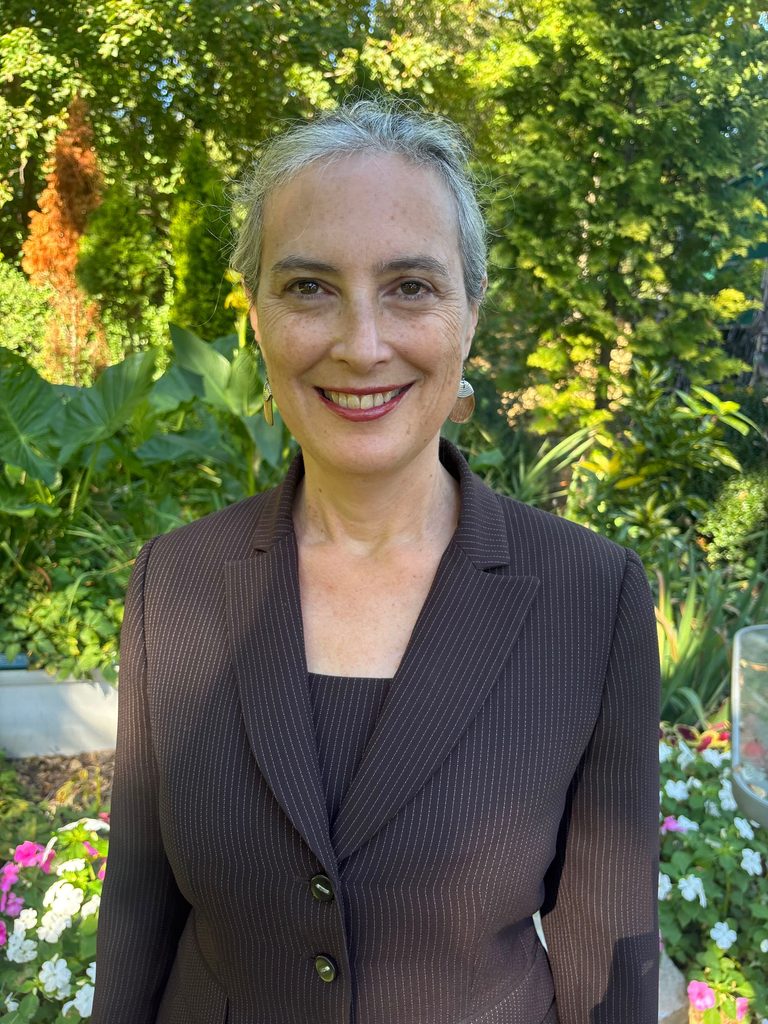
David Magaña is a technology executive who has spent more than 20 years building digital products for leading media and technology companies. Send your technology questions to [email protected].