Editorial: Tick tactics for the front line
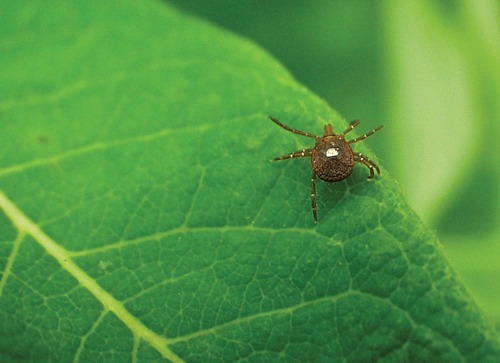
Terms such as “a war” or “an explosion” to describe social conditions or medical emergencies are often used by public officials and, yes, journalists — at times to sensationalize an issue. But sometimes these descriptions are necessary to call people’s attention to true crises.
So it was that Southold Town Superintendent Al Krupski agreed with a resident who declared that “we’re losing the war” aimed at thinning deer populations and thus curbing tick-borne illnesses. And several media outlets have spoken of an “explosion” of tick bites. Suffolk County experts are reluctant to say this is the worst year ever for illnesses caused by bites, but they agree it’s been pretty bad.
Emergency rooms visits for tick bites are higher than normal in many parts of the country this summer, according to the Centers for Disease Control and Prevention’s “Tick Bite Tracker.” In all regions, the CDC reports, except the South Central United States, weekly rates of ER visits for tick bites are the highest since 2017.
Suffolk County is experiencing a significant increase in tick populations this summer, with experts reporting a surge in tick-borne illnesses. A county press release said the increase probably resulted from mild winter weather; an increase in acorn production, which has led to more tick-carrying animals; and a spread of Asian long-horned ticks.
Ideas on how to cull deer populations across the East End are still percolating, as they have been for years — with mixed results, to say the least. But steps residents can take to protect themselves and their families from tick bites are practical and not up for debate.
According to Alison Hinckley, an epidemiologist and Lyme disease expert with CDC’s Division of Vector-Borne Diseases, “Tick season is here and these tiny biters can make you seriously sick. The good news is you have options to help prevent tick bites … You can wear EPA-registered insect repellent and permethrin-treated clothing, do tick checks and remove attached ticks as quickly as possible. And if you develop a rash or fever in the days to weeks after a bite, or after being in an area with ticks, seek medical care promptly.”
On Shelter Island, to help prevent residents and visitors from developing illnesses, the deer and tick committee has worked with Mashomack Preserve staffers to disseminate information on avoiding tick bites. One essential piece of advice has been to wear light-colored pants tucked into white socks, and tops with long sleeves, and to check thoroughly for ticks and remove them after returning from a hike.
The committee has rolled out a program called SCAREDD, offering tips on protecting yourself, your loved ones and your pets:
- S: Shower after outdoor activity.
- C: Check yourself for ticks.
- A: Avoid tall grass and brush.
- R: Repel ticks with repellents on skin and clothing.
- E: Examine your pets and children for ticks, too.
- D: Dress appropriately with long sleeve and pants.
- D: Dry clothes in a dryer after outdoor activity.
Stay smart, stay safe and avoid getting sick.