Southold residents press town to make housing code overhaul deliver affordable homes
Southold residents pressed town officials Tuesday to make sure a long-awaited overhaul of the town’s housing code will actually produce homes local workers can afford.
Nearly 20 speakers — including several Greenport officials — packed Town Hall and took more than an hour of public comment after a presentation on draft changes to the town’s housing rules, including a new Community Housing Overlay District.
Many questioned whether the proposed overlay maps include enough workable sites and whether officials have enough data to gauge the need.
“Young firemen, that are needed, are going to have a home,” said Southold resident Barbara Pantino. “They don’t have young firemen, they’re older. They need young blood. They need the teachers to live here. I think the children are going to grow here — in my opinion, the schools are going to grow.”

The proposal would identify 537 properties where qualifying community-housing projects could use special affordability rules while keeping their existing underlying zoning. It would not itself approve development or increase the town’s existing maximum density of 12 homes per acre for qualifying projects.
The plan builds on the town’s broader housing-code overhaul, which officials have said is intended to make the scattered rules governing community housing easier to use.
Speakers, however, repeatedly returned to the shrinking enrollment in local schools and the difficulty younger families face trying to stay on the North Fork.
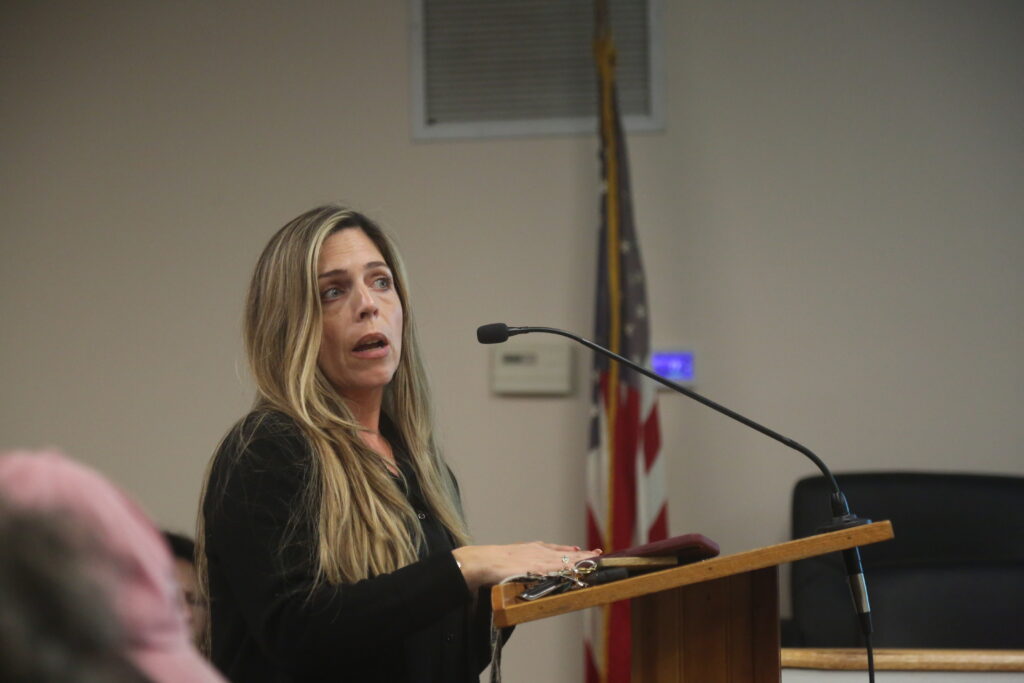
“When I graduated Mattituck High School, my graduating class was around 126, her class is about 65 students now,” said Francesca Quintieri, a Mattituck resident and single mother with an 11-year-old daughter who attends Cutchogue East. “I’ve made every effort to stay within the school district for her, even renting for a short period of time, making several attempts to buy over the years, only to be priced out of the market dually because it is a very desired place to live.”
Officials said a survey could be part of a future update to the town’s housing plan.
“I look at something like the Mattituck Cottages, which I was a few years too late for and [had to] attempt to or desire to buy a home,” Ms. Quintieri said, and asked town officials will there be some sort of caveat to which type of development will be done. “I’m only a family of two when primarily on the market right now I’m looking at houses that are close to a million dollars. I live with my parents and have remained living with them in my childhood home just to ensure that my daughter can remain in the school district.”

“Ultimately, our goal is to keep Southolders in Southold,” said Town Board Councilwoman Alexa Suess.
The code overhaul is also a key step before the town can begin fully using more than $8 million collected through its Community Housing Fund, as The Suffolk Times previously reported.
Many community members commended the town’s housing code committee for its extensive work on the code while stressing the lack of affordability.
Dinni Gordon, of the Greenport Affordable and Workforce Housing Committee, said the code will ultimately determine the parameters for how the fund is used.
“I’m concerned that it is being undertaken without clear, specific program goals based on our mission and what is needed locally,” Ms. Gordon said. “There are clearly-articulated goals in Chapter 112 for the eligibility of firefighters and first responders, and for priority for households where someone lives and works in Southold. But setting maximum sales prices and affordability regulations is left to the discretion of each program, and I’m hoping the standards are consistent and reflect the goal of whatever number of households we think we need.”
Greenport Mayor Kevin Stuessi also urged the town to define how many homes are needed and said officials should weigh whether more of the fund should go toward building housing rather than down-payment assistance.
The maps showed proposed overlay parcels alongside protected land, HALO areas and hamlet centers.
Even where the overlay would allow more housing, projects would still need Suffolk County Health Department approval for septic systems. Officials said Southold has 116 sanitary-flow credits available to help qualifying projects meet those requirements.
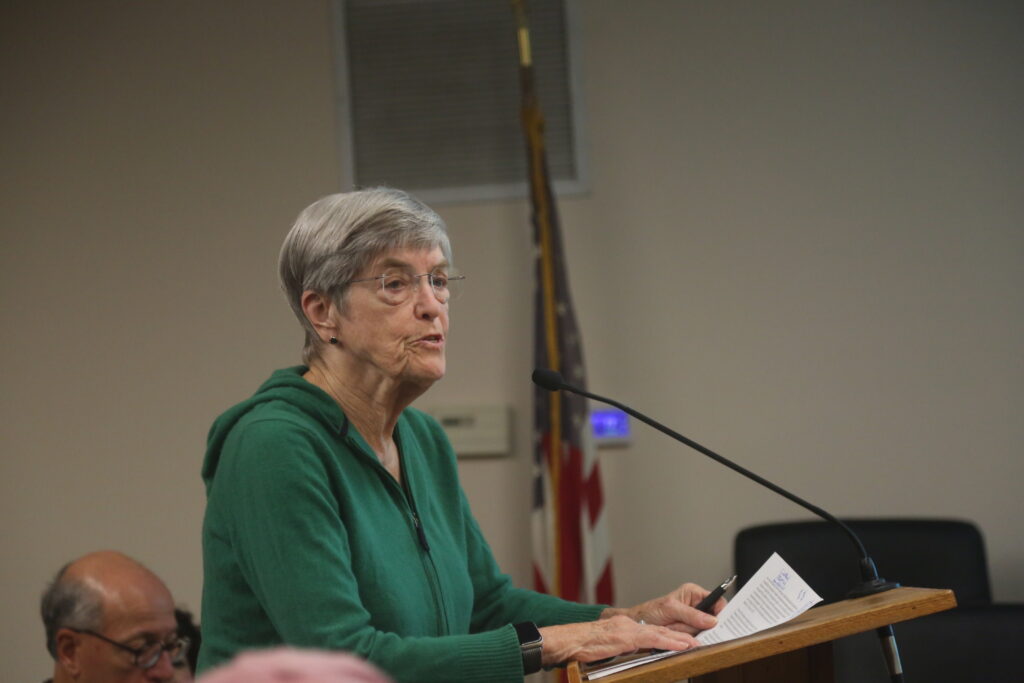
“When I looked at the presentation, the vast majority of parcels in the proposed CHO are less than an acre,” said North Fork resident Katy Stokes. “I’m wondering if you’ve solicited any input from any developers, informally, to see if such small parcels will incentivize them to build.”
Town officials did not directly address that question during the session.
Accessory apartments are part of the broader zoning-code overhaul, but speakers said the current rules can be too expensive for homeowners to make renting one worthwhile.
One resident suggested accessory apartments could also help older residents who can no longer live independently in their homes.
Heather Lanza, the town’s Planning Department director, said the committee is working on a rental-permit chapter to incorporate into Chapter 280.
“We’ll also be working on the Hamlet Business Zoning District for apartments and potentially mixed-use development, as well as some of the other business zones,” Ms. Lanza said.