North Fork birders and beyond go ‘cuckoo’ for rare bird in Riverhead
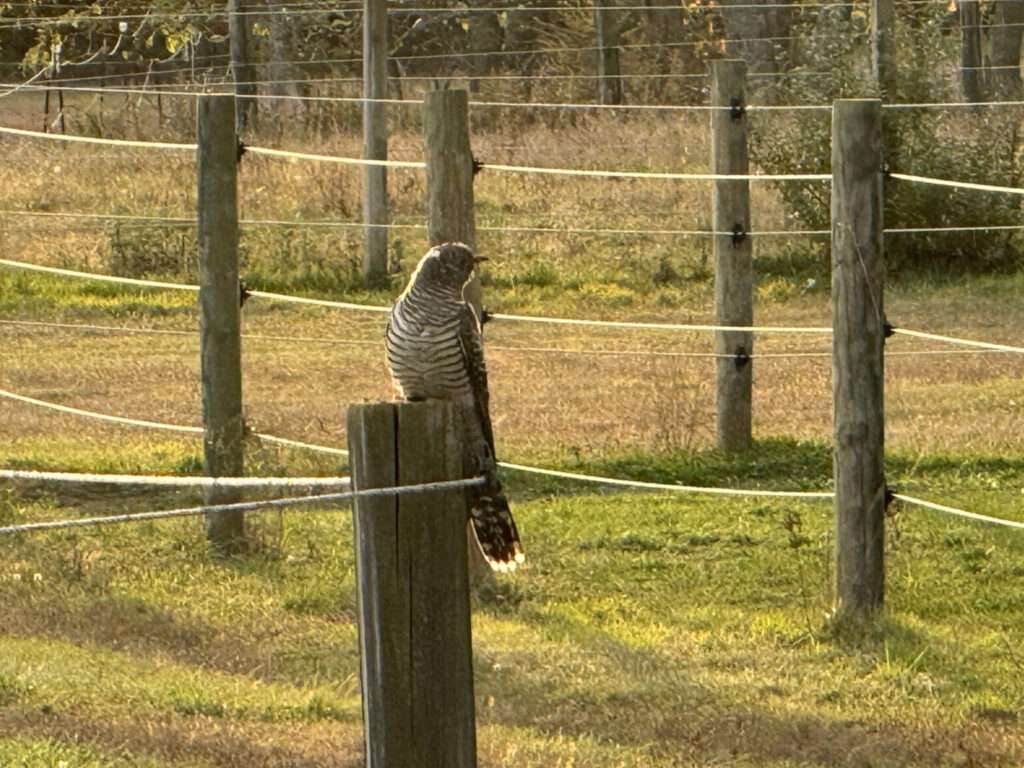
Birders are flocking to Riverhead for a once-in-a-lifetime sighting.
A common cuckoo — a European bird never before documented in New York — has drawn enthusiasts from across the country to The Woods at Cherry Creek golf course and farmland along Roanoke Avenue.
The bird, which migrates between Europe and Africa, was first spotted Thursday evening by golfer Roy William Gardner at the Vineyards Golf and Country Club. Gardner snapped a photo and sent it to his nephew, birder Chris Sayers, who sent the image to Jay McGowan at the Cornell Lab of Ornithology. McGowan confirmed the identification and posted a rare bird alert on Discord at 4:55 p.m.
“This particular, likely first-year bird, was probably trying to migrate and maybe got blown over by that nor’easter,” said North Fork naturalist Jay Rand, referring to the storm that slammed the East Coast earlier this month.
Rand was among the first to spot the cuckoo’s gray-and-white plumage and a long tail. Most observers have seen it feeding on caterpillars around the golf course and farmland.
Listen to the call of the common cuckoo here.
The common cuckoo — yes, the one from the clock — has only been seen twice before on the East Coast: in Massachusetts in 1981 and Rhode Island in 2020, according to the Cornell lab.
Rand — among the top 10 birders in Suffolk County with 349 species recorded — called the sighting a “lifer,” a species he’d never seen before.
By Sunday morning, eBird, Cornell’s bird-tracking site, had logged 213 sightings. The last confirmed sighting came at 9 a.m. Sunday at The Woods at Cherry Creek.
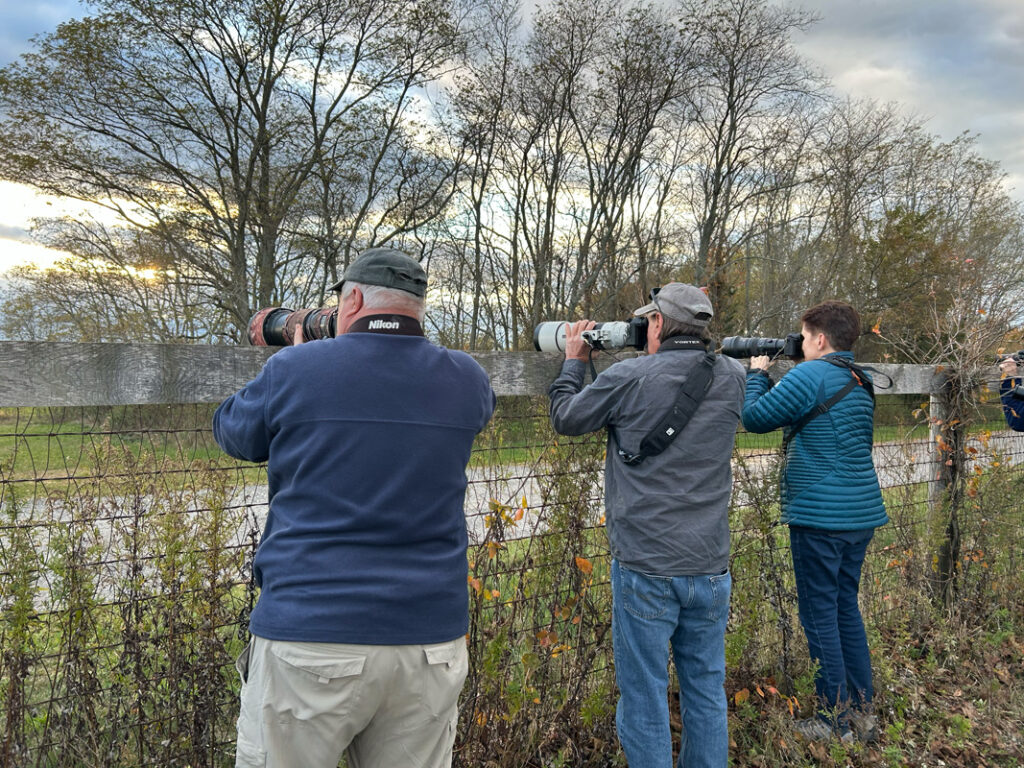
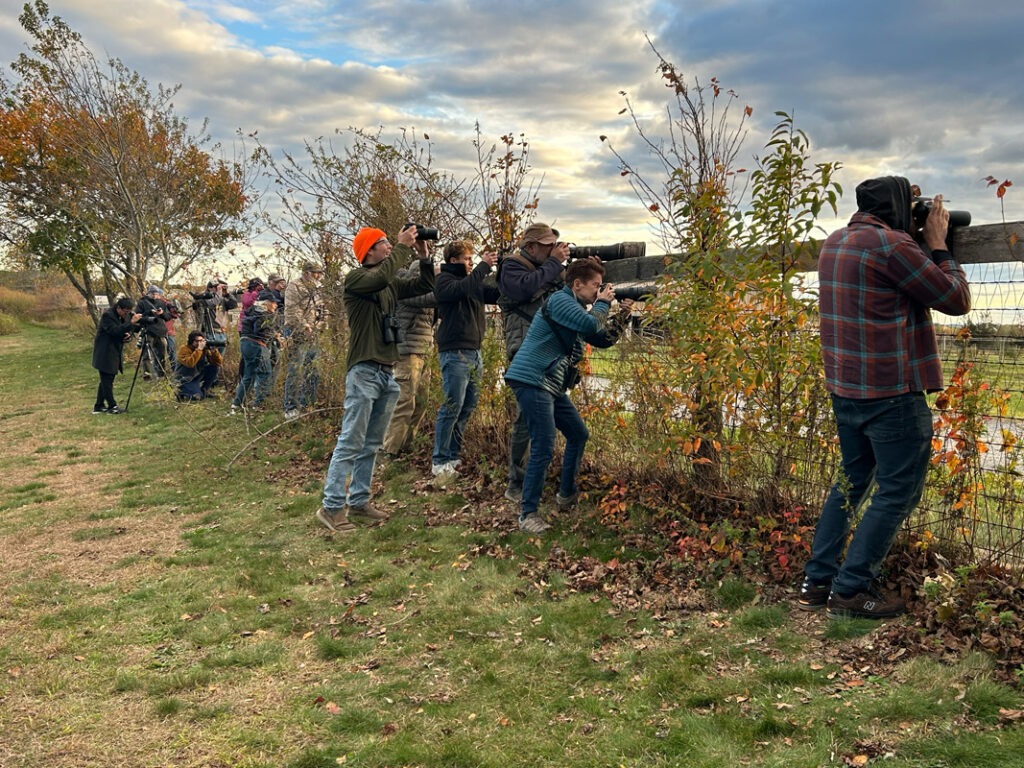
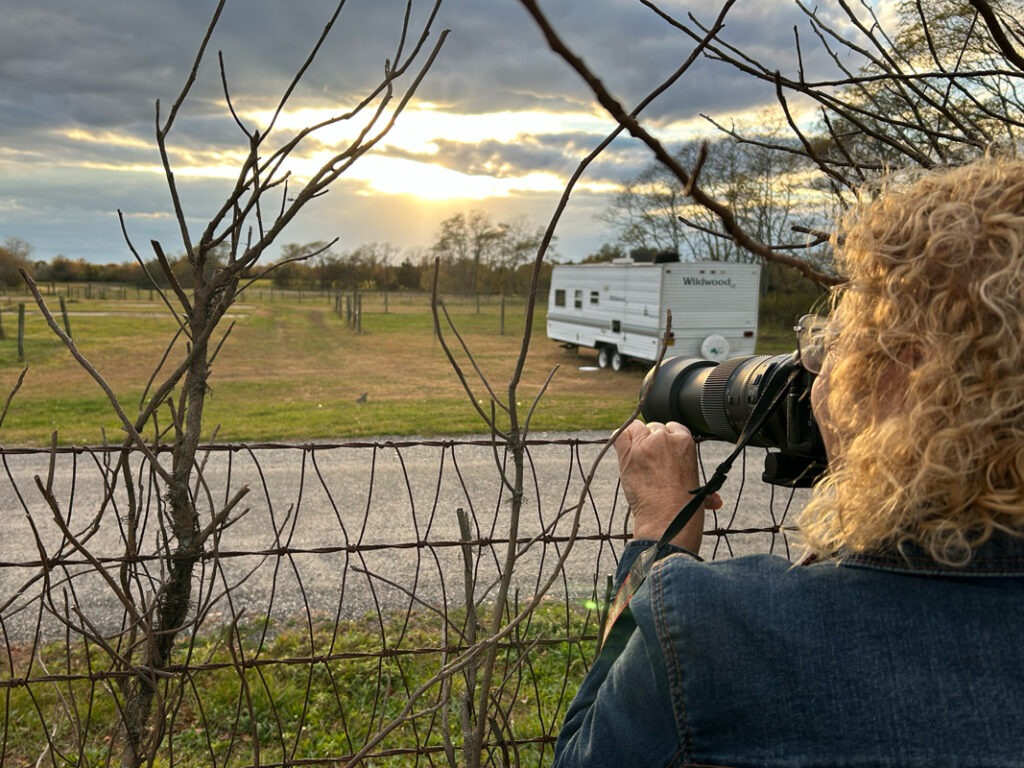
Among those who made the trip was David and Tammy McQuade of Florida, well-known birders who typically spot 600-700 species a year. They logged the cuckoo Oct. 25.
The farm and the golf course have been relatively open to the birders using their properties to spot the cuckoo, similar to last year when the rare lazuli bunting was spotted on a home bird feeder.
Rand said photographers need to keep their distance.
“Sometimes people with their cameras and cellphones get a little close,” he said. “You’re stressing the bird out. It’s feeding in a great spot, and now it has to find another one — and if it flies off, you’ve ruined it for everyone else.”
The cuckoo did disappear briefly but was relocated within a few hours and birders shared its new location online.
Rand said the hobby has grown more inclusive and accessible through tools like eBird, Discord and apps such as Merlin, which can identify birds by sound.
“Bird how you want to bird,” he said.