Long Island bald eagle nesting season: Why you need to stay back
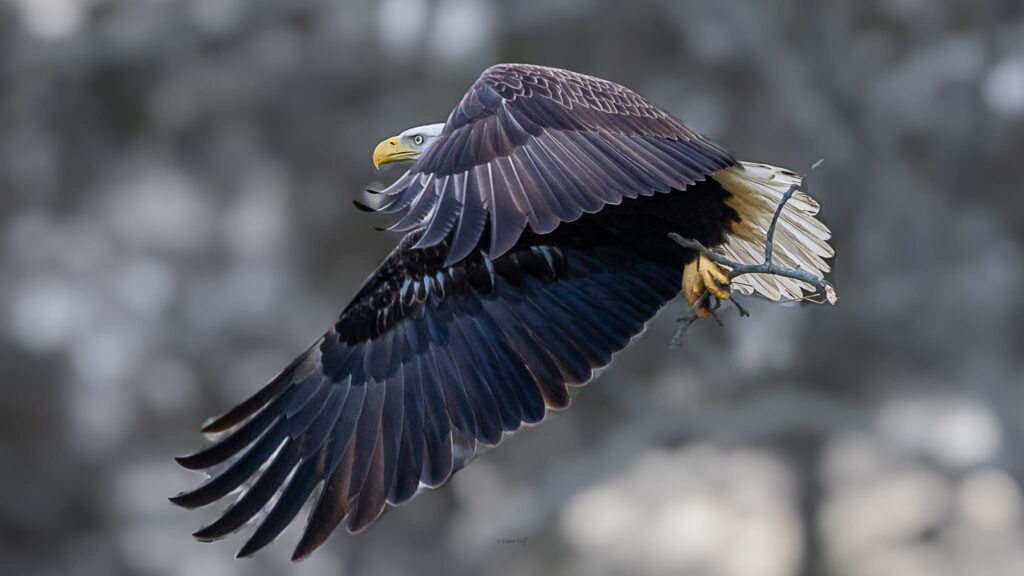
The tell-tale steady soar of a bald eagle is a regular occurrence here on the North Fork — thanks to conservation efforts that have helped the protected species rebound along the East Coast.
This time of year, however, experts say viewing from a distance is vital to the survival of the next generation of raptors.
“Bald eagles on Long Island are entering their nesting season — a critical time when they’re extremely sensitive to disturbance,” said Jennifer Murray of Turtleback Conservation Center. “By respecting their need for space, you’re helping protect this threatened species.”
In late January and early February, the birds are focused on nest building, repair and courtship. A healthy pair will start to lay eggs in February and March. Too much attention from interested nature aficionados can cause them to abandon their nest and efforts — even already laid eggs.
According to the U.S. Fish and Wildlife Service, the Bald and Golden Eagle Protection Act defines disturbance as agitating or bothering an eagle in ways that cause injury, decrease productivity by interfering with breeding or feeding, or cause nest abandonment. Violations are punishable by fines up to $20,000.
Ms. Murray suggested remaining in your vehicle or using it as a blind, so you see the bird, but it doesn’t see you. Binoculars, spotting scopes and long zoom lens cameras are also tools that promote safe viewing, she said.
“They’re supposed to be remain undisturbed. If they’re feeding on a carcass, the same old thing applies. They’re trying to survive right now in the winter. Causing them to fly because you want a closer shot — that’s considered harassment,” Ms. Murray said.
If you see someone harassing or disturbing bald eagles, you can report it by calling the state Department of Environmental Conservation’s 24/7 dispatch at 1-844-DEC-ECOS (1-844-332-3267).
For more information on local bald eagles and how to view them safely, including identification and a place to report a sighting, visit turtlebackconservationcenter.com.