Guest column: Discovering a hidden heritage
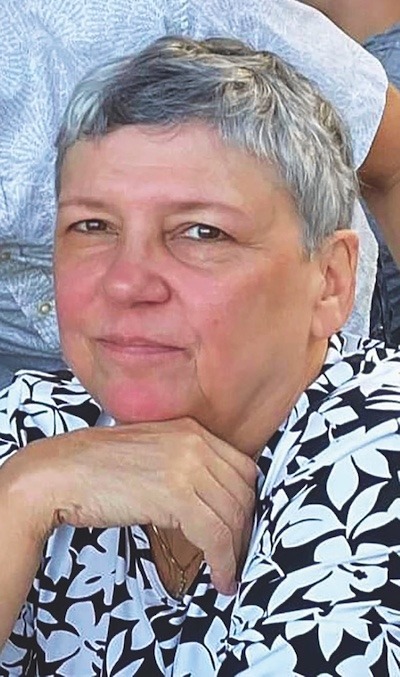
For much of my life, a part of my family’s history was hidden, a story that had been deliberately kept quiet for generations. Now, new DNA evidence has brought that story back into the light.
The findings described in Richard Kurin’s book “History by a Hair” link Thomas Jefferson directly with Sally Hemings’ descendants. For my family, they feel like vindication after years of resistance from some descendants of Jefferson and his wife, Martha. But for me, this is about much more than proving a historical fact. It is about reclaiming a part of our family that was lost and honoring the people who had to make impossible choices.
My uncle, John Weeks Jefferson, provided a blood sample for the 1998 study in which Dr. Eugene Foster and his colleagues compared DNA from male-line descendants of Thomas Jefferson’s paternal uncle, Field Jefferson, with a descendant of Sally Hemings. The study used Y-chromosome testing, which traced an unbroken line of male descendants. It established a connection to the Jefferson family but could not identify Thomas Jefferson specifically.
My connection with Jefferson is through Eston Hemings, Sally and Thomas’ youngest son. Eston grew up at Monticello as an enslaved person but was freed upon Jefferson’s death. He and his brother Madison remained in Virginia with Sally Hemings until she died, and then moved to Ohio.
At some point, Eston decided to “pass” into the white world and moved away with his family to Wisconsin, cutting off contact with his Black relatives. I suppose he did it to benefit future generations, but I cannot fathom the sacrifice he made in leaving his loved ones behind.
His children and grandchildren knew they had Black origins, but sometime in the 1930s, my grandfather and his brothers agreed to keep that information a secret from their own children. Our Black ancestry was effectively erased from our family history.
The new findings are bittersweet because our mother, Julia Westerinen, born Julia Jefferson, died in 2023 and did not live to see the results. I wish she could have.
She was our guiding light. She taught us, as white people, to accept and honor people of all races and religions, setting the tone for how we would respond to learning that we were descendants of enslaved African Americans and a founding father. Mr. Kurin visited her in Florida before her death to obtain a DNA sample. Knowing that she shared approximately 2.1% of her DNA with Thomas Jefferson would have made her very happy.
After the 1998 study, my family appeared on “The Oprah Winfrey Show” along with other Hemings descendants and those of Jefferson through his wife. Our Hemings cousins, whose families had remained in the Black community, welcomed us completely. They did not seem to condemn Eston’s choice for severing ties with his family, but embraced us with no hesitation.
That welcome was not universal. Many members of the Monticello Association, which oversees Jefferson’s burial grounds, opposed extending burial rights to our Hemings family. A few expressed their opinions in ways that were deeply hurtful.
Recently, some of those members have apologized for past behavior and sought reconciliation. That is a hopeful beginning, although some still reject our claim of Jefferson descent. I find it difficult to understand why acknowledging our shared ancestry should feel so threatening.
Another unexpected connection came when relatives in Finland read about the story, recognized our last name and contacted us. My paternal grandfather, Esa Westerinen, moved to America in the early 1900s to avoid being conscripted into the Russian army and lost touch with his Finnish relatives.
In 2001, we traveled to Finland to meet them. Aura, then in her 90s, was the daughter of Esa’s brother. Her father died when she was 5, but she had grown up hearing stories about Esa and even named her son after him.
We met the family and visited my grandfather’s old farm in Karelia, now part of Russia. Who could have expected such a wonderful outcome from a story that began with so much separation, secrecy and loss?
Families can be divided by slavery, race, fear and geography. Yet generations later, they can find one another.
We carry the past with us. We cannot change it. But we can decide what we do with it, and whether the next generation inherits the divisions of the past or the possibility of something better.
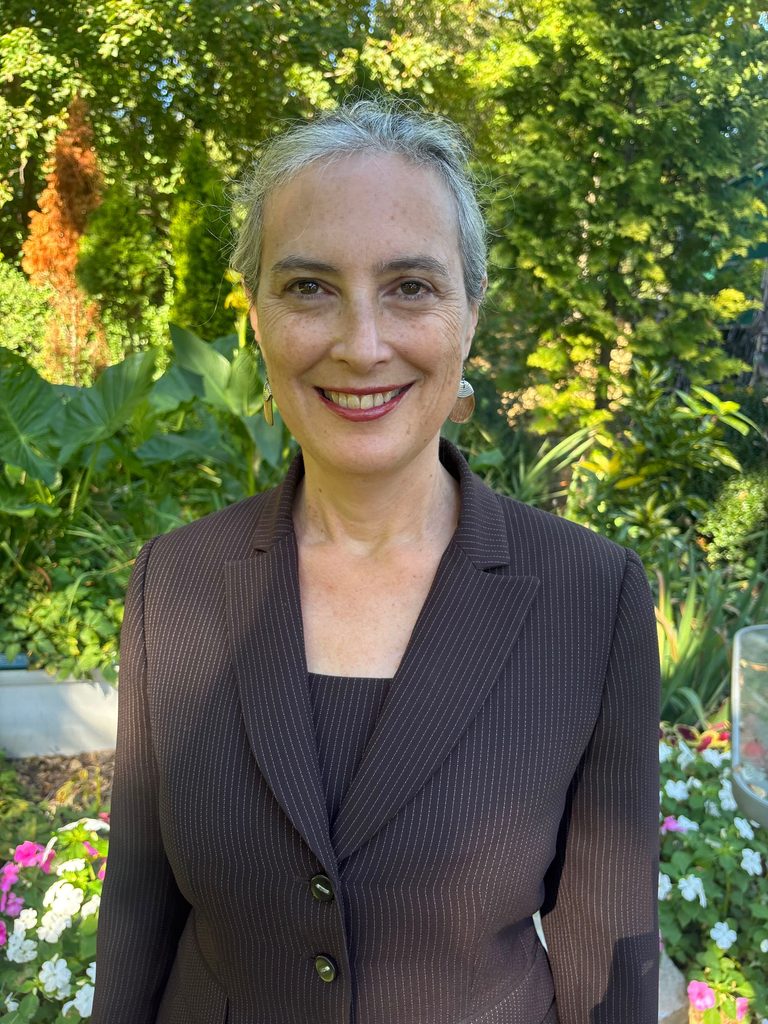
Dorothy Westerinen lives in Greenport. She and her brother Art will join author Richard Kurin and moderator Liz Welch for a discussion of “History by a Hair” at the North Fork Arts Center in Greenport on Saturday, Oct. 3, at 4 p.m.