Digging in: Volunteers help bring new life to Great Pond wetlands
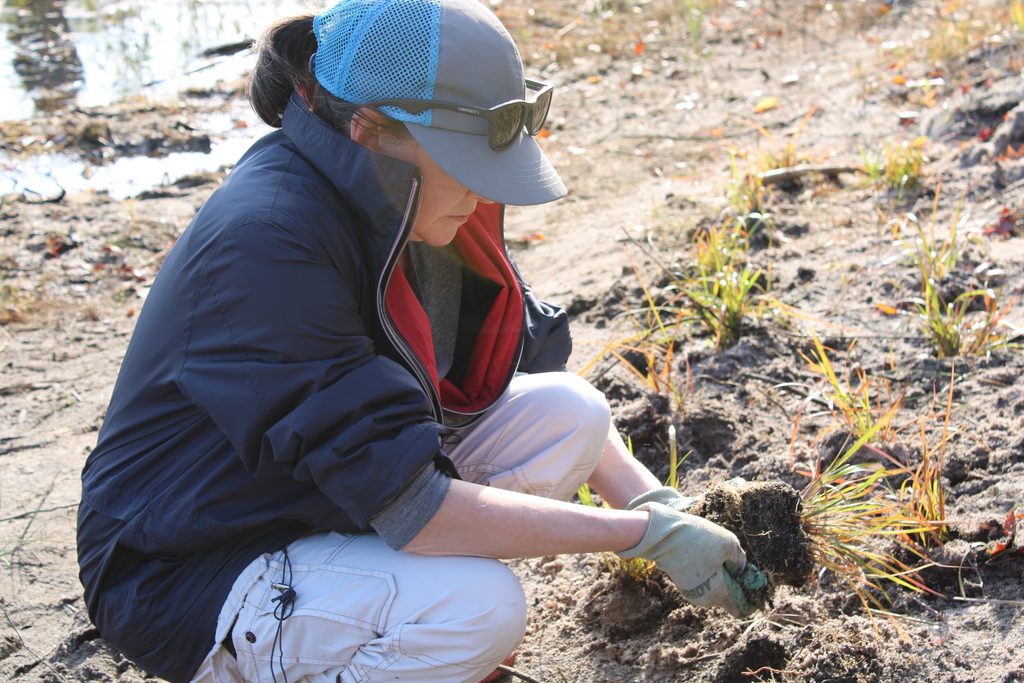
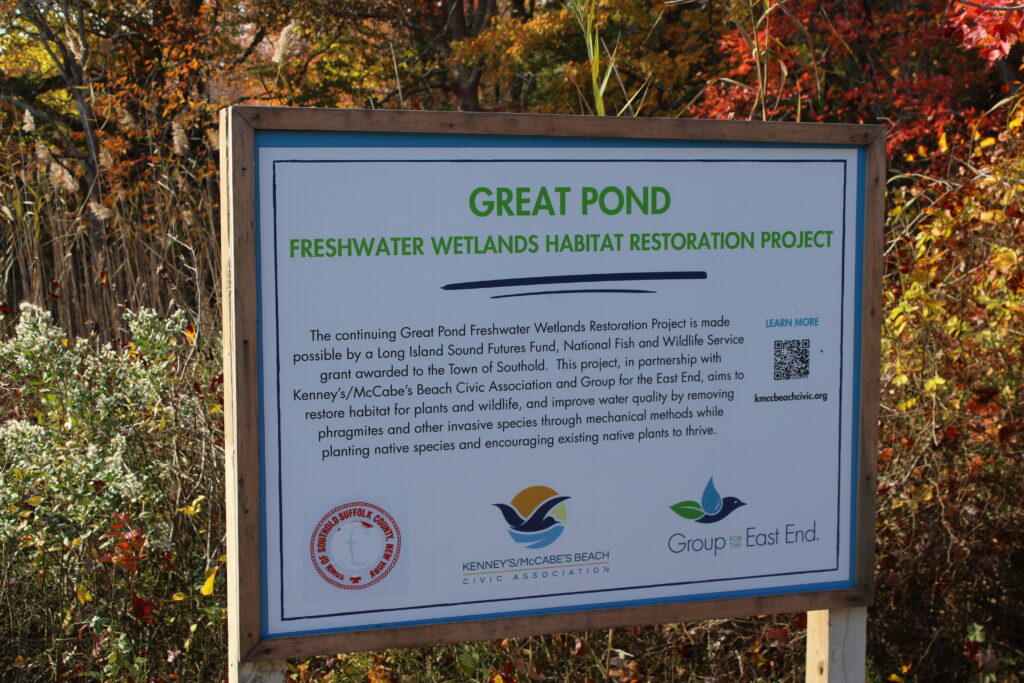
Habitat restoration is a wet and dirty job. Volunteers gathered at Great Pond in Southold on Friday morning to plant native species and help restore water quality and wetland habitat. The effort is a collaboration among the Group for the East End, the Kenney’s/McCabe’s Beach Civic Association and Southold Town.
The plantings included bayberry, little bluestem, buttonbush, marsh hibiscus, beachgrass, swamp rose and goldenrod. The effort is part of an ongoing project, but Friday marked the last volunteer event of the year.
The group will pick it up again in the spring.
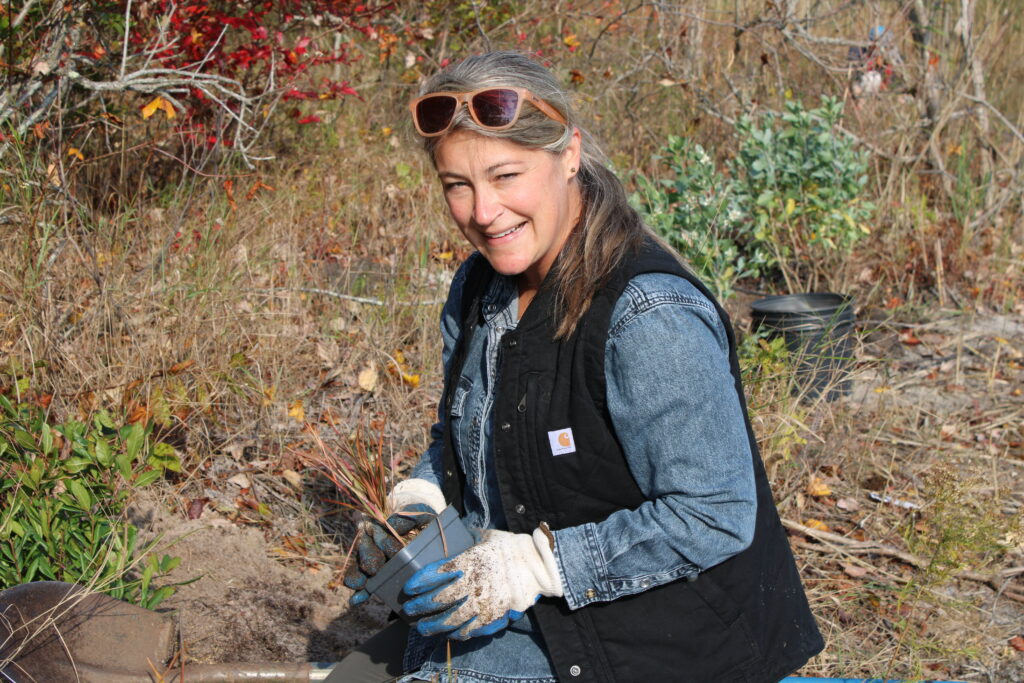
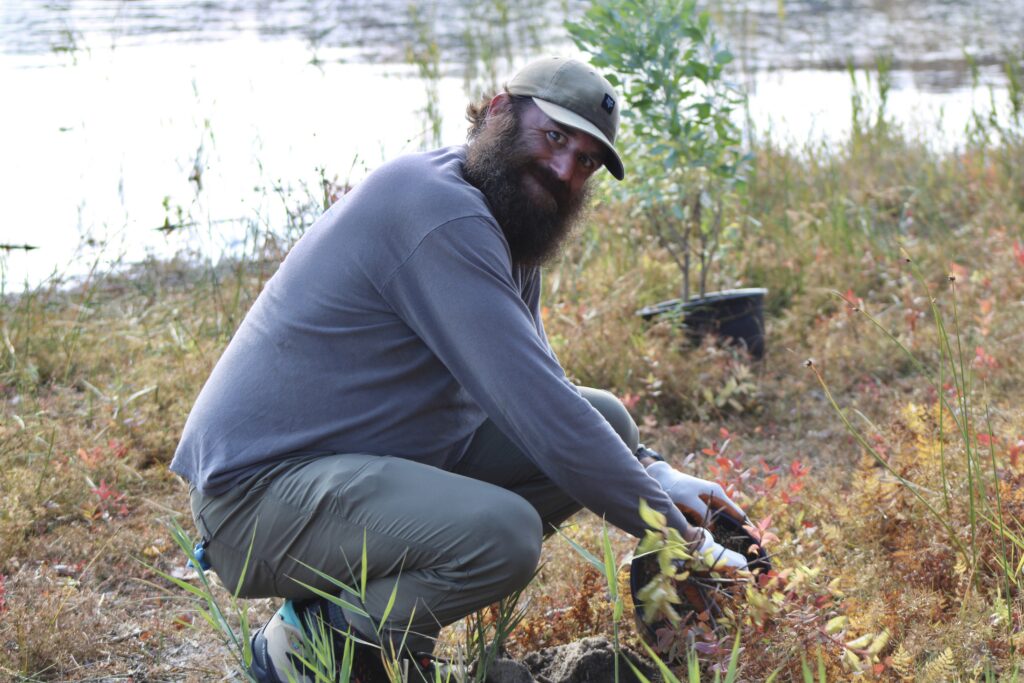
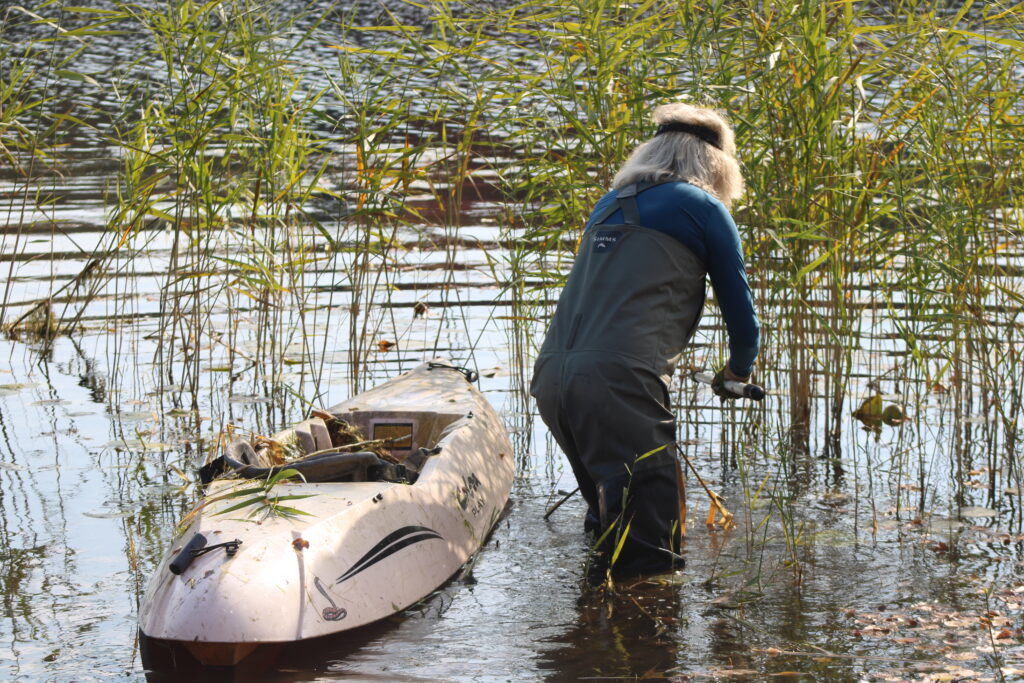
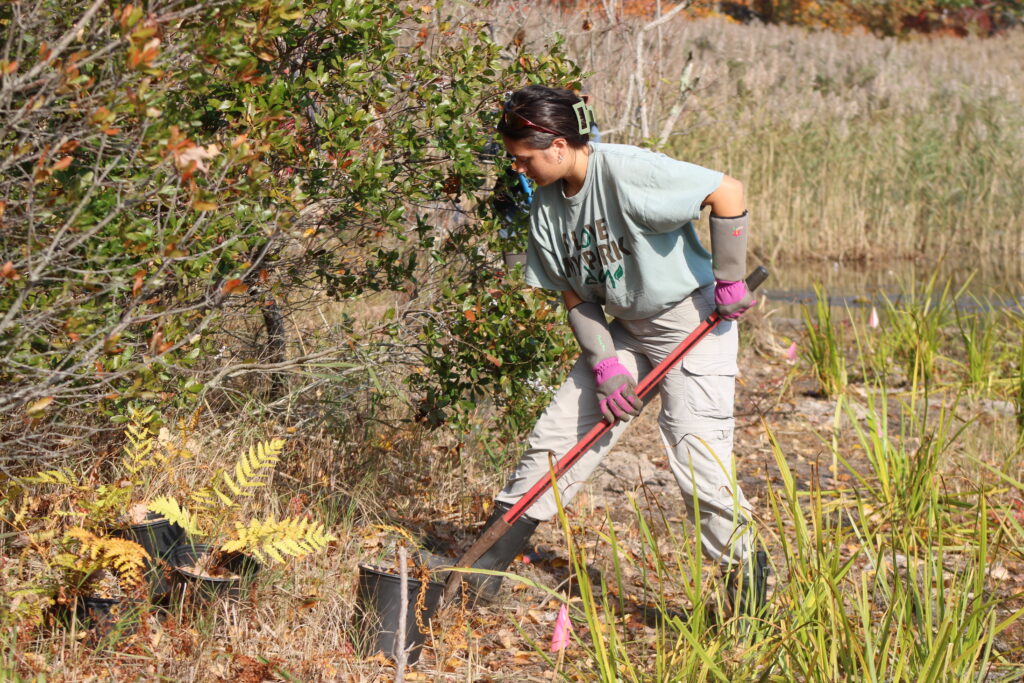
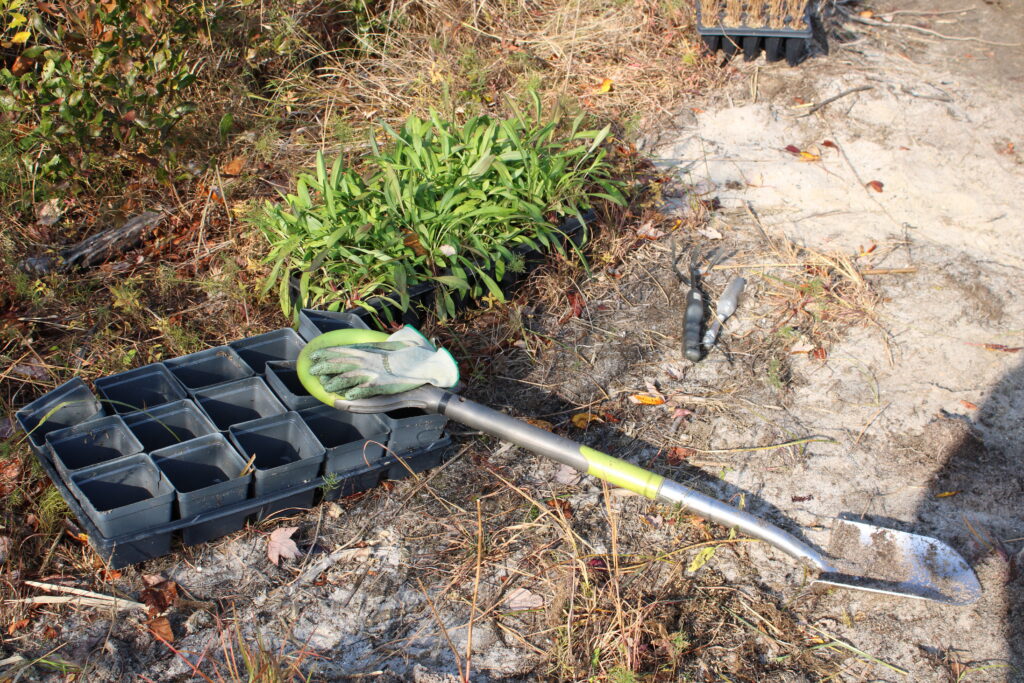
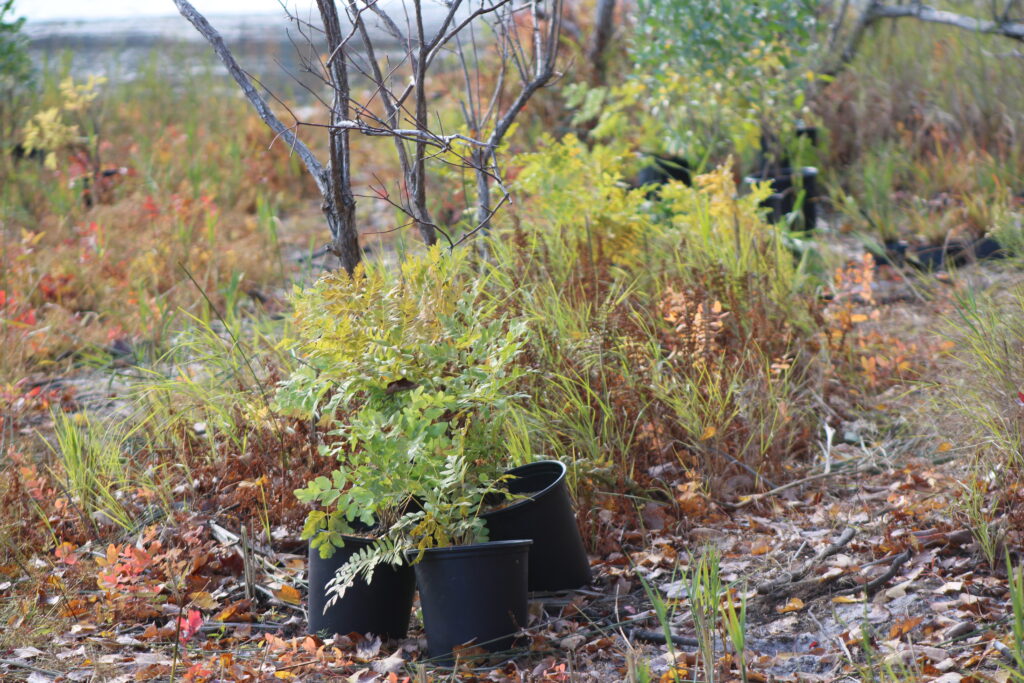
“The native plantings are the culmination of a multi-year restoration effort to remove the invasive plant, Phragmites australis,” volunteer Taralynn Reynolds said. “Managing invasive species is paramount to increasing ecological resiliency at Great Pond and other imperiled ecosystems.”
The Group for the East End and Kenney’s/McCabe’s Beach Civic Association received a grant from the state Department of Environmental Conservation in 2019 to remove three acres of phragmites from within and around the 33-acre pond.
The Group hired Hicksville-based pond contractor SOLitude Lake Management to remove the water-based phragmites, while staff and volunteers cut down the land-based invasive plants. Residents worked to replace the phragmites with native plants.
Workers continued removing phragmites in August 2025 with new funding awarded to Southold Town through the Long Island Sound Futures Fund, administered by the National Fish and Wildlife Foundation.
To lend a hand in the future or for more information, email the Group’s director of conservation advocacy, Jenn Hartnagel, at [email protected].