Jasmine Lane neighbors speak out on proposed chicken farm
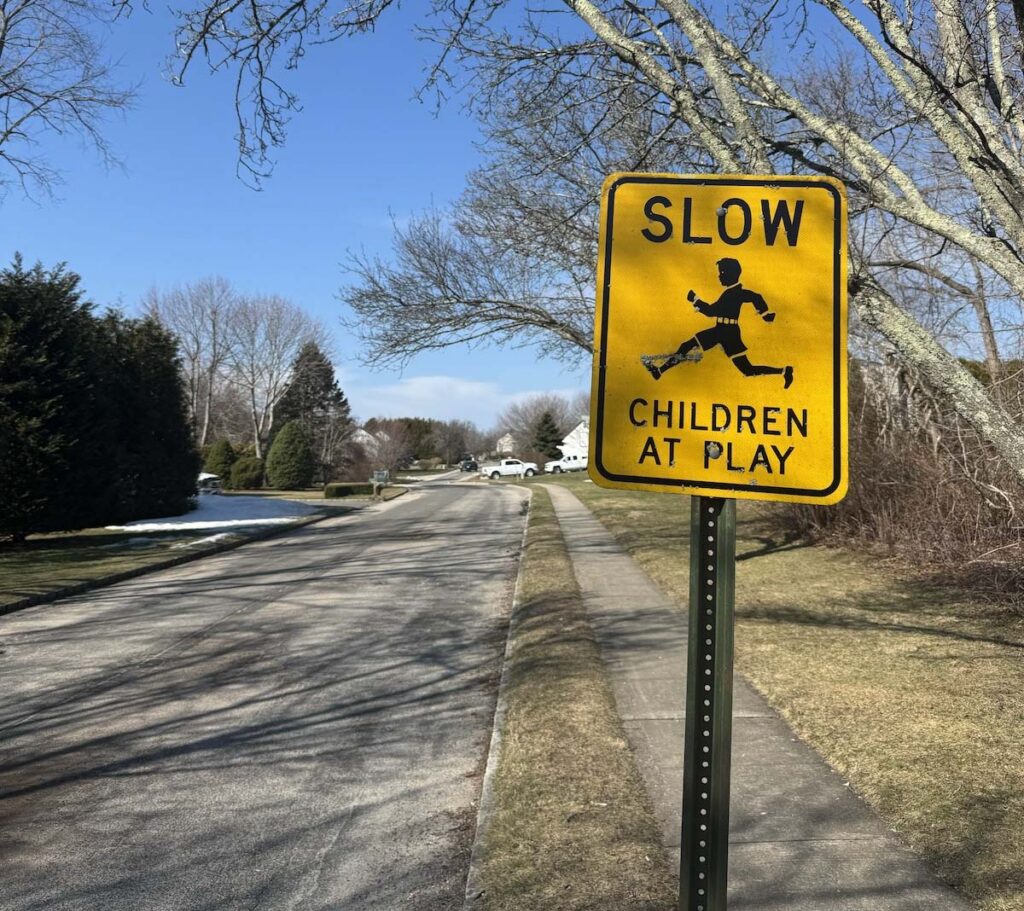
Residents of Jasmine Lane in Southold are familiar with each other; their children have held lemonade stands and enjoyed the picturesque cul-de-sac for decades.
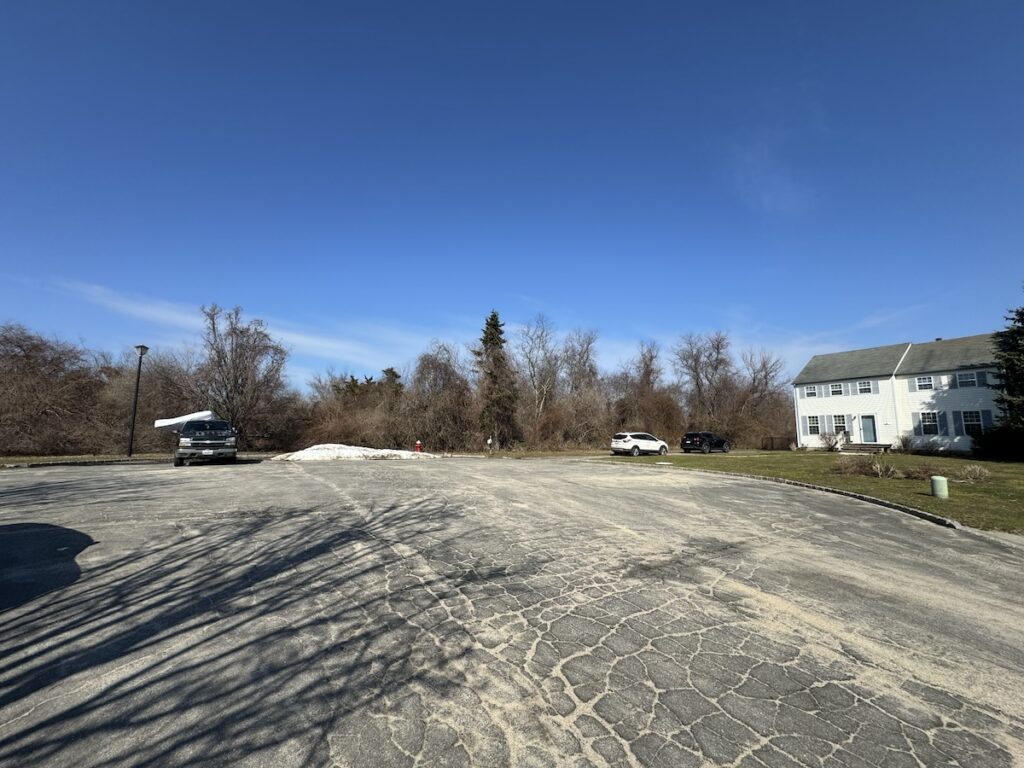
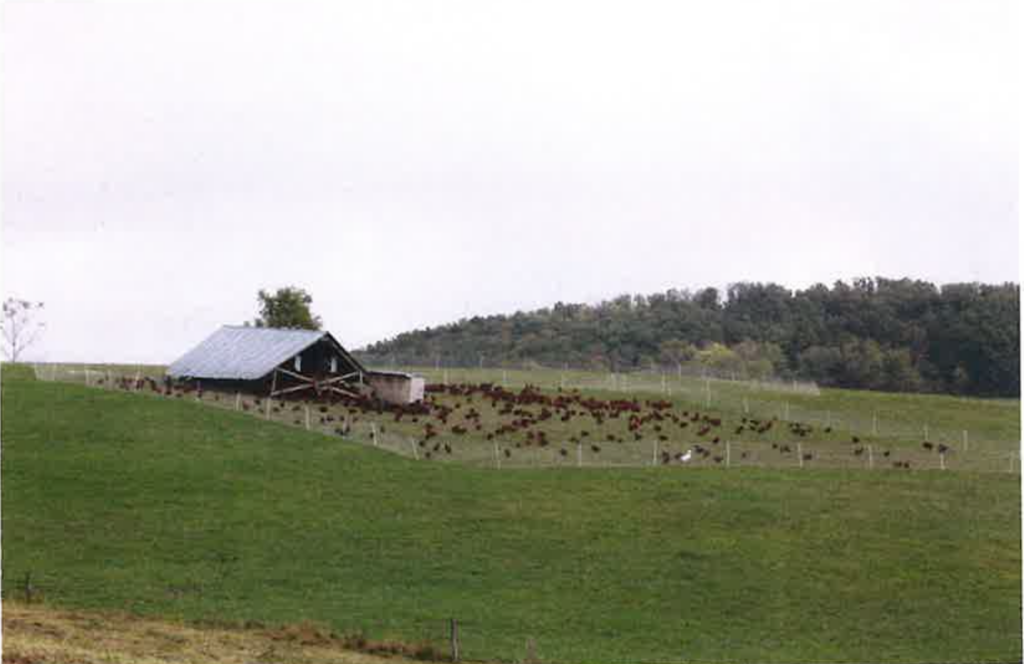
But homeowners have had their feathers ruffled by a proposed 6,000-chicken farm at the end of the block, which they fear could change the character of the close-knit neighborhood they’ve built over the years.
Since the proposal surfaced, neighbors have been vocal, speaking at public hearings, launching a Facebook campaign and circulating a petition opposing the farm.
During a March 5 sit-down interview with The Suffolk Times, seven residents gathered around a dining table in John Reichert’s home — which backs up to the property where the chicken farm is proposed — to talk about their affection for the block and their concerns about the project.
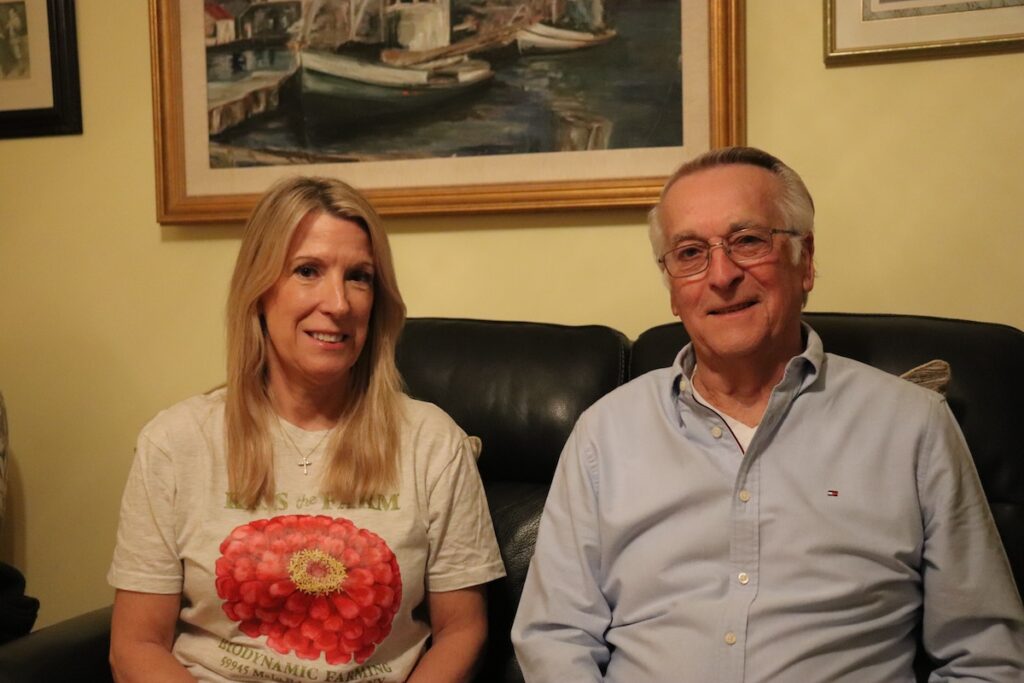
“Southold is a great place to live, and this community is a great place to live,” Mr. Reichert said. “But these people are going to ruin it.”
The proposal comes from a 21-year-old NYU real estate student and aspiring farmer, Grant Callahan of Old Westbury, whose plans became the subject of a contentious Jan. 12 Planning Board public hearing.
The application before the Planning Board details a 2,100-square-foot barn that would be used to store equipment and supplies such as portable electric fencing and an egg-washing and packing area, according to planning documents. A March 4 letter Mr. Callahan sent to the Planning Department states that the farm would use six mobile shelters to accommodate roughly 1,000 hens each.
Mr. Callahan commented that he “could in theory put way more” than 6,000 chickens.
“I’m choosing not to because I’m doing the ecological thing,” Mr. Callahan said at the Jan. 12 hearing. “I’m trying to do what’s right for the environment and the animals. So, I’m really trying to work with the neighborhood and the neighbors. I’m not trying to be the nasty new neighbor who comes in and is all difficult and giving everyone a hard time.”
Mr. Callahan did not return an email seeking comment from The Suffolk Times.
Residents said their main concerns include potential health impacts, water usage, pest control, increased traffic and declining property values. The smell is another worry, with winds blowing through the community from the proposed farm’s location.
“No one is looking at the impacts this is going to have on the community — the burdens it’s going to place on us,” said Leslie Reichert Herrlin, who owns the home her dad lives in. She lives in a nearby development in Southold.
Jasmine Lane was developed as an affordable housing community known as Southold Villas in 1992, one that residents had to apply for through a lottery. The 17-home project was subsidized by the state and federal government, with homes ranging in price from $66,000 to $93,000, according to an August 1992 report in The Suffolk Times.
“The original settlers in this neighborhood had to live here, had to work here, and then we had tight constraints on our earnings,” said Ed Dunne, who lives down the street from Mr. Reichert. “It took just my regular 40-hour job — and then you had to stay here for 10 years. We were looking at other homes in the area, and they were about $20,000 more at the time.”
Many residents have lived on the quiet block, lined with a collection of modest ranch-style and two-story homes, since the ‘90s — working in civil service, local education, contracting, healthcare, food services, police and other jobs in the community.
Today, homes on the block range in value from roughly $700,000 to $1.1 million, according to Zillow.
“A lot of the workforce is the heart of the community,” Ms. Reichert Herrlin said. “The jobs we do are what makes a community a community.”
On a nice day, Mr. Dunne said kids are typically outside playing in the yard or riding their bikes down the peaceful street.
“It’s a friendly neighborhood, and there’s no through-traffic,” he said, noting the desirability of the street as a destination for local Halloween trick-or-treaters.
Five years after Southold Villas sprang up north of Route 25, the town formally adopted New York State’s Right to Farm law. Mr. Callahan’s proposal falls within the adopted town code, which states “farmers shall have the right to farm in Southold without undue interference from adjacent landowners or users.”
“We do not have the authority to simply deny an application because it is controversial or because concerns have been raised,” Planning Board chairman James Rich said at the Jan. 12 hearing. “Our role is to review the proposal carefully, ensure that it complies with applicable laws, and evaluate applicable impacts.”
Former Southold Villas project superintendent Don Bracken, another Jasmine Lane resident, was among several residents who spoke with The Suffolk Times about the project.
He said that in adopting the right to farm law, the town “forgot what they planned” in respect to the Southold Villas community.
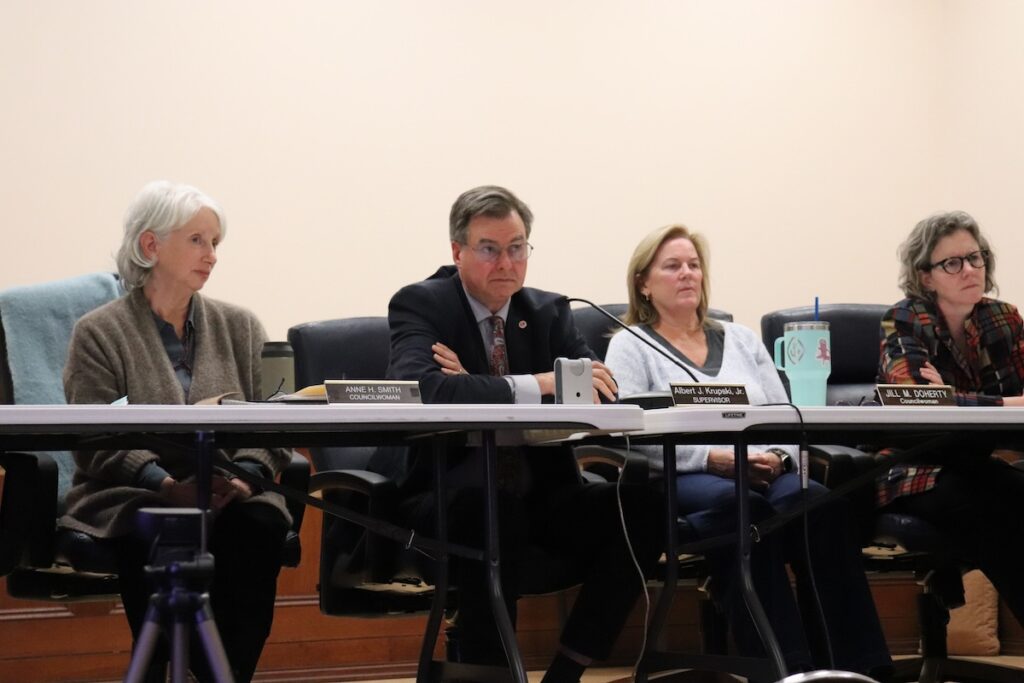
Southold Town Supervisor Al Krupski pushed back against neighbors’ concerns at a Feb. 26 Town Board meeting.
“I’m not sure what you really want the Town Board to do where someone does have the right to farm in the law and we are a community that values its tradition in agricultural production,” he said. “Agriculture being a business, I can’t say how many chickens he should have or how many he shouldn’t. He owns the property and he has certain property rights, and we value property rights in Southold Town.”
Mr. Krupski said that, since the proposed agricultural barn plans are before the Planning Board, the Town Board doesn’t have say on “the location of or approval of that building.”
The town purchased the property’s development rights for $1.15 million in February 2007 to preserve the land for agriculture.
“He should be able to have a farming operation if the town invested in that land,” Mr. Krupski said. “The town bought development rights on it to preserve that land for agriculture so it wouldn’t get paved over.”
The Planning Board’s next meeting is a work session scheduled for Monday, March 23, at 4 p.m. It is not clear whether the chicken farm debate will be on the agenda, which is posted the Thursday or Friday preceding the meeting.
Jasmine Lane resident Donna Dunne feels the town is “hiding behind the right to farm” law.
Her husband agreed.
“The town created this [community] to try to keep local people here, and so I think they’ve done us a great disservice,” Mr. Dunne said.
A Change.org petition opposing the farm garnered 446 signatures by March 10.
Not everyone is opposed to the chicken farm.
Will Horowitz, a chef and cookbook author who lives in Mattituck, expressed his support for the egg farm in an email to the Planning Board before public comment for the application closed on Jan. 26.
“I believe small to medium farms like this are beyond essential to both preserving our heritage, land and identity here on the North Fork promoting these values for future generations,” he wrote.