Pindar-owned vineyard land listed for $6M amid North Fork development activity
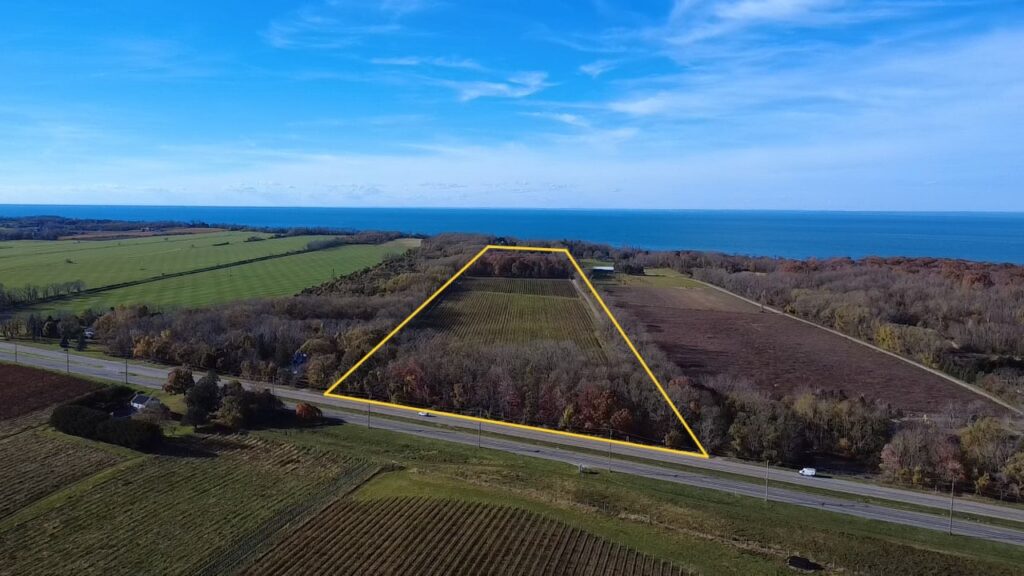
Another swath of North Fork farmland is on the market for $6 million — a 45-acre Peconic vineyard with its development rights intact and the potential for new homes.
The property, at 30145 County Road 48, is being marketed by Nicholas J. Planamento, a William Raveis Real Estate broker who helped represent the seller in a major East Marion land deal reported earlier this year.
Mr. Planamento declined to identify the Peconic seller, but town and county records list Pindar Vineyards LLC as the owner. The winery is owned and operated by the Damianos family, which helped pioneer the North Fork’s wine industry.
The Suffolk Times reached out to the Damianos family for comment.
Its flagship Pindar winery and tasting room are on Main Road in Peconic. The family — once the North Fork’s largest private landowner, according to Mr. Planamento — says its vineyard operation encompasses more than 300 acres, growing about 20 varieties of grapes.
“The interesting thing here is 45 acres, and it’s a planted vineyard,” he told The Suffolk Times on Thursday. “So you have huge potential on different levels because of it being a planted vineyard.”
The parcel abuts the Colusa subdivision proposed by billionaire Stefan Soloviev, Mr. Planamento said, as big-money buyers pursue major holdings on the North Fork. Colusa would create 47 residential lots on roughly 372 acres, while preserving about 267 acres.
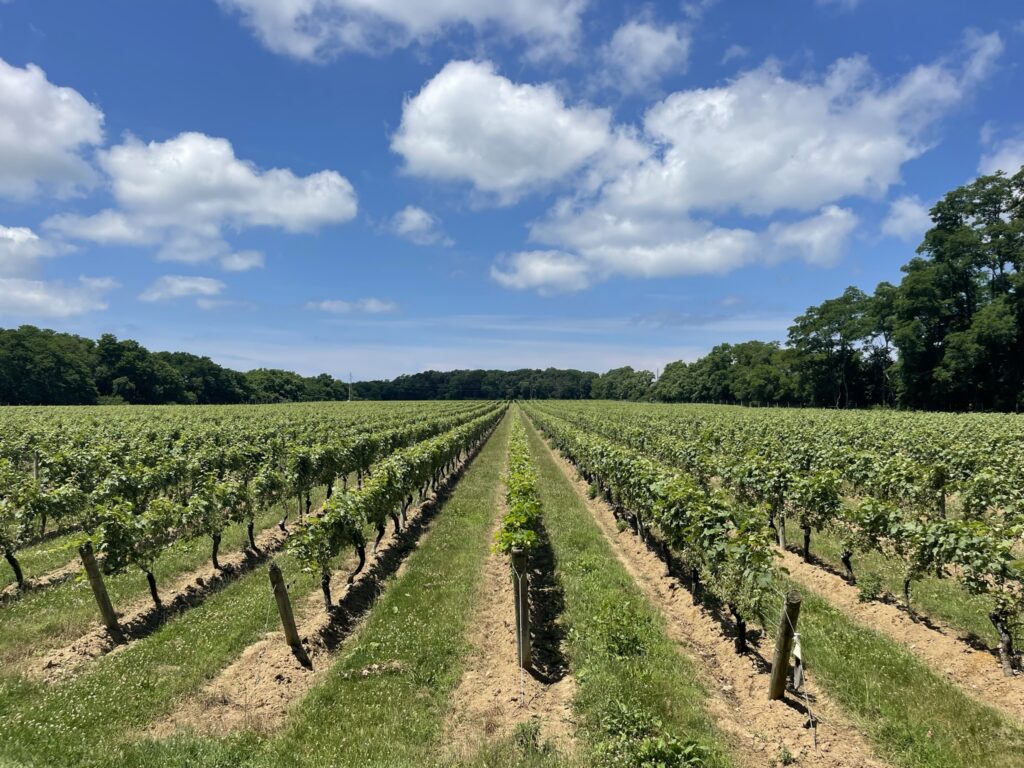
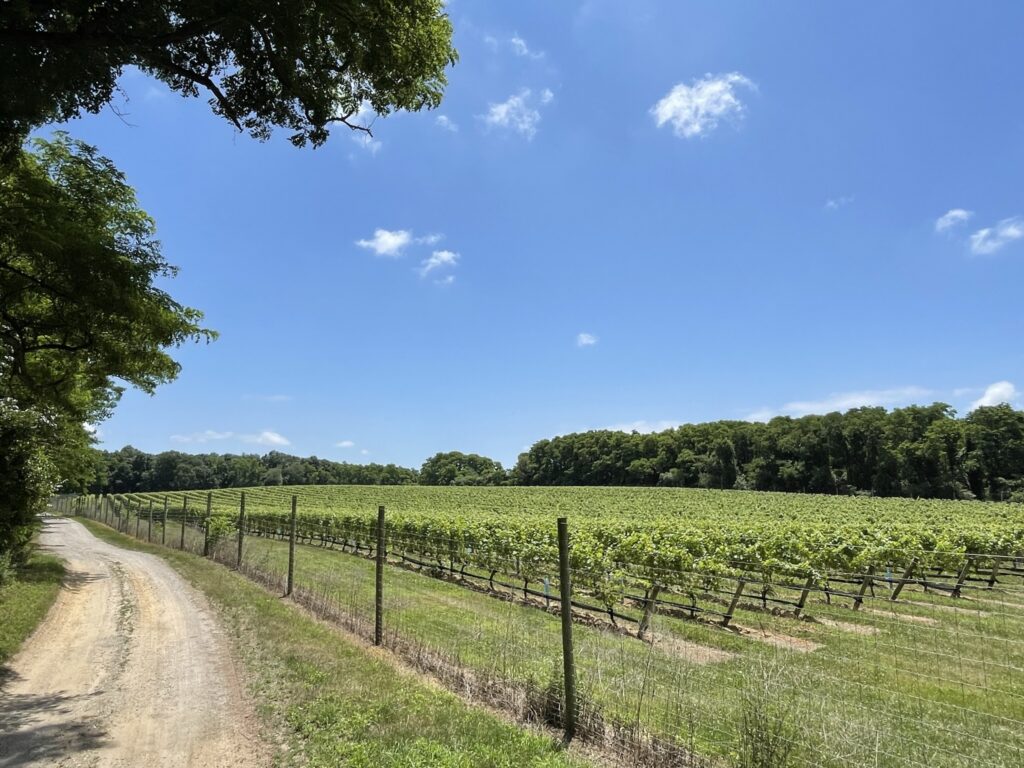
Mr. Planamento described the vineyard property as a mix of open fields, vines and woodland, with the terrain rising north from County Road 48 and sunlight filtering through trees along a curving access road.
“It’s really a hidden gem because of that tree line,” he said.
The property has no residence, barn or retail tasting room, Mr. Planamento said. A buyer could pursue a home on a working farm, establish a retail winery or seek to divide the land into residential lots, subject to town approvals.
“Everything’s already expensive to begin with, but any sort of development construction does come at an expense,” he said.
The listing places the parcel in Southold’s Agricultural Conservation zoning district, with a two-acre minimum lot size. The actual number of buildable lots would depend on Planning Board review and the amount of land eligible for development.
Mr. Planamento said a conservation subdivision could allow some housing while protecting much of the remaining acreage. A buyer could also explore selling development rights to the town while retaining ownership of the farmland.
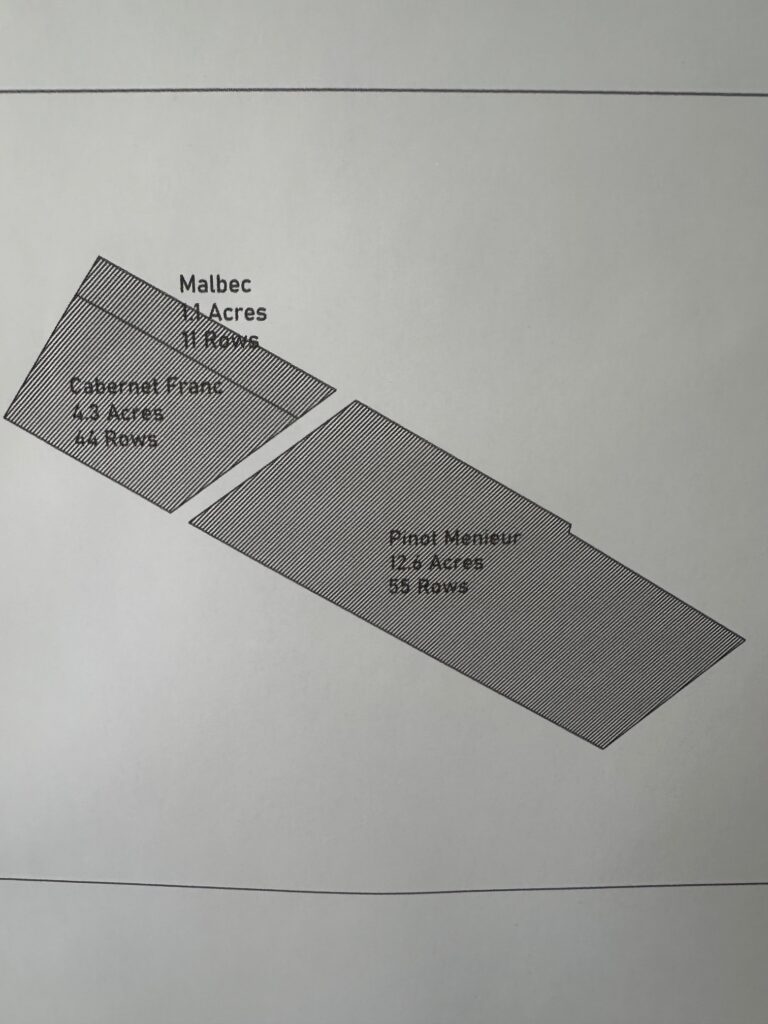
The property is being marketed as Peconic Trails. The listing says a previous plan for a multi-lot residential development is on file with the town Planning Department.
About 28 acres are planted with Cabernet Franc, Pinot Meunier and Malbec, according to the listing. A new owner could continue growing grapes or pursue a wine label of their own, Mr. Planamento said.
“The grapes are already there, they’re mature, they’re well maintained, they’re productive,” he said.
Other crops or agricultural activities could also become part of the property’s future.
“There’s all kinds of possibilities within farming, and you’re really only limited by the actual farmer’s imagination,” he said.
The “surplus” property has already attracted inquiries from small-scale farmers, people interested in entering the wine business and an NBA player, whom Mr. Planamento declined to identify.
“I’m not going to share his name, but you just don’t know who’s looking at something,” he said.
Asked why an owner might sell a functioning vineyard, Mr. Planamento emphasized that he was speaking generally.
“There’s different conversations that come into play as far as how you use them logistically,” he said.
Improved growing techniques, changing demand for grape varieties and the difficulty of farming parcels that are not contiguous can influence those decisions, he said. Owners may also see “a different opportunity out there” for acreage they no longer need.
The Damianos clan has pared back its holdings before — including through sales to the real estate mogul now proposing Colusa.
In 2017, The Suffolk Times reported that Soloviev had acquired three Damianos properties totaling about 135 acres. Alexander Damianos said then that the properties were not needed for the family’s operations, including one that was difficult to farm because it was too far from its core holdings.
“We’ve simplified our business and made it more profitable,” Mr. Damianos said at the time.
More recently, the North Fork’s appeal to wealthy buyers came into sharp focus with the $23.5 million East Marion transaction in February. The buyer was identified in published reports as financier Marc Rowan. Mr. Planamento helped represent the seller, Raoul Witteveen.
That package included more than 100 acres, about 69 of them already protected by Peconic Land Trust conservation easements.
“I think that the buyer in that case got a wonderful deal,” Mr. Planamento said.
The longtime broker, who sits on Southold’s Zoning Board, described the North Fork market as drawing “more and more influential sort of international type people,” including buyers based in New York City or familiar with the Hamptons.
But a deep-pocketed buyer does not necessarily mean the end of farming. Asked whether someone paying $6 million for the Peconic parcel would keep it in agriculture, Mr. Planamento said that remained “very plausible.”
He pointed to vineyard investor Randy Frankel’s purchase of the former Ruland farm in Mattituck. In 2021, Northforker reported that Mr. Frankel had bought the 66-acre property with plans to establish a vineyard and restore its historic farmhouse.
For some buyers, Mr. Planamento said, the attraction goes beyond the investment.
“Owning land is a very visceral thing,” he said. “You can touch it, you can smell it.”
Mr. Planamento also favors allowing greater housing density on smaller parcels in Southold’s hamlet centers.
“I would just wish that we could create the housing that we need for young people to stay in town,” he said.
In approximately 40 years in real estate, however, Mr. Planamento recalled only one seller deliberately accepting less money to help a local young couple buy a home. That transaction came around the beginning of the pandemic, he said.
“So many people have these opinions, yet when they go to sell, they’re the first ones that want the top dollar,” he said.