Southold adopts $66M budget despite highway staffing warnings ahead of winter
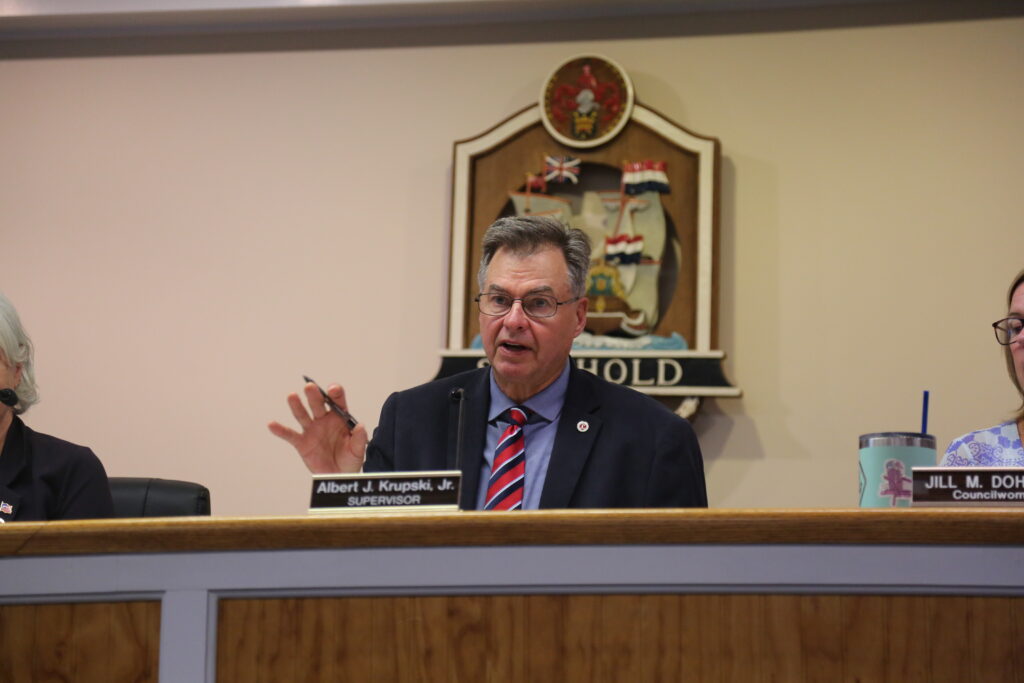
Southold officials unanimously approved the town’s 2027 budget Wednesday — despite pointed criticism from the highway superintendent that his department was left understaffed.
The $65.86 million spending plan keeps the town below the state tax cap following weeks of debate over personnel costs and other expenses.
Highway Superintendent Dan Goodwin challenged the staffing priorities during Wednesday’s afternoon budget hearing and in a follow-up interview Thursday. According to Mr. Goodwin, his department will be down two employees this winter: one position has been eliminated, while the other is budgeted to be filled after the first quarter.
“This is concerning to me as I look at the budget as a whole and see funding being set for personnel resources in other departments that have nowhere near the impact to public safety which the Highway Department does,” Mr. Goodwin told The Suffolk Times Thursday.
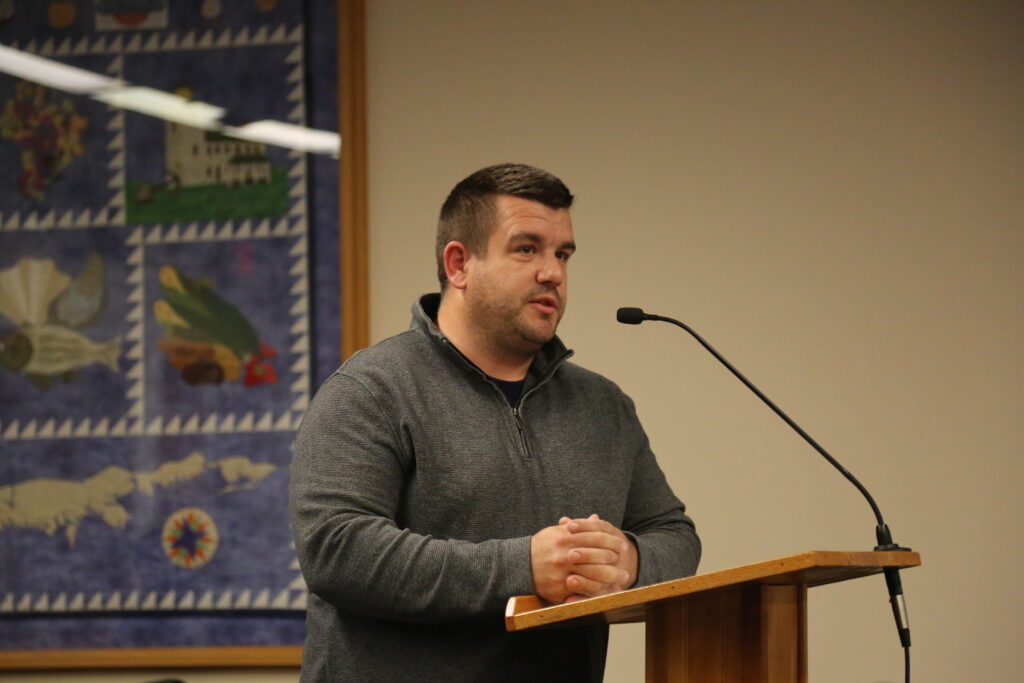
The department’s allocation rises from about $8.5 million this year to $8.64 million in 2027, an increase of about $140,000, or 1.65%. But Mr. Goodwin said rising costs mean the additional money will not necessarily translate into more work.
“Costs are increasing, which means that the highway department will be doing less road paving and sidewalk renovations next year,” he said. “The same amount costs more money.”
Mr. Goodwin and former Southold highway boss Peter Harris spoke during a sparsely attended hearing from 4 to 5 p.m. Wednesday. A handful of attendees offered additional budget comments during the regular Town Board meeting beginning at 6 p.m., before the unanimous vote.
The two hearing sessions followed a month of review of Supervisor Al Krupski’s tentative budget, presented Oct. 2. Residents could attend the subsequent departmental work sessions, but public comment was not taken at those meetings.
During the October review, comptroller Michelle Nickonovitz said roughly $150,000 in proposed additions would push the property-tax levy above the town’s allowable limit unless offset by concessions. Mr. Krupski said most of those additions were personnel-related. The board also reduced proposed salaries for the supervisor and other board members, The Suffolk Times previously reported.
On Wednesday, more than two weeks before the Nov. 20 deadline, the board approved separate resolutions adopting the annual town budget, which funds staffing and services, and the capital budget, which covers investments in infrastructure, facilities and equipment.
Mr. Goodwin warned during the hearing that the staffing changes would affect response times in “virtually everything” the department does. Mr. Harris, who served as highway superintendent from 2001 to 2013, said keeping roads clear depends on having enough people available.
“The fact of the matter is, the people are the ones who get the job done,” Mr. Harris said. “During the winter, there are only a certain amount of plow routes that are out there. When there are not enough people to do that, it puts more stress and strain [on the crew].”
Last winter showed how quickly severe weather can overwhelm the department’s resources. Southold had exhausted its $185,000 salt and sand budget even before February’s blizzard dumped more than two feet of snow on parts of the North Fork. The town approved an additional $80,000 transfer from reserves to replenish those supplies, The Suffolk Times reported in March.
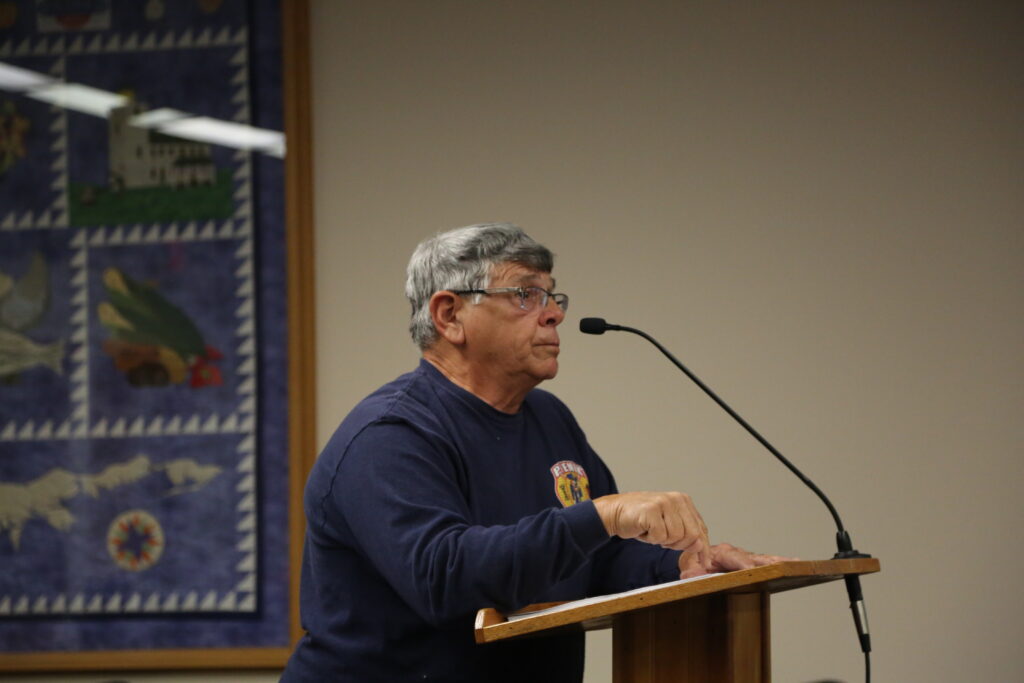
“Every one of you people that sit up on that dais, don’t have a clue of what it’s like to fight a blizzard in the middle of night,” Mr. Harris told the board. “Zero visibility, you’re all home saying, ‘Man, I’m glad our guys are out there.’ We don’t have anybody else to bring in — we’re it.”
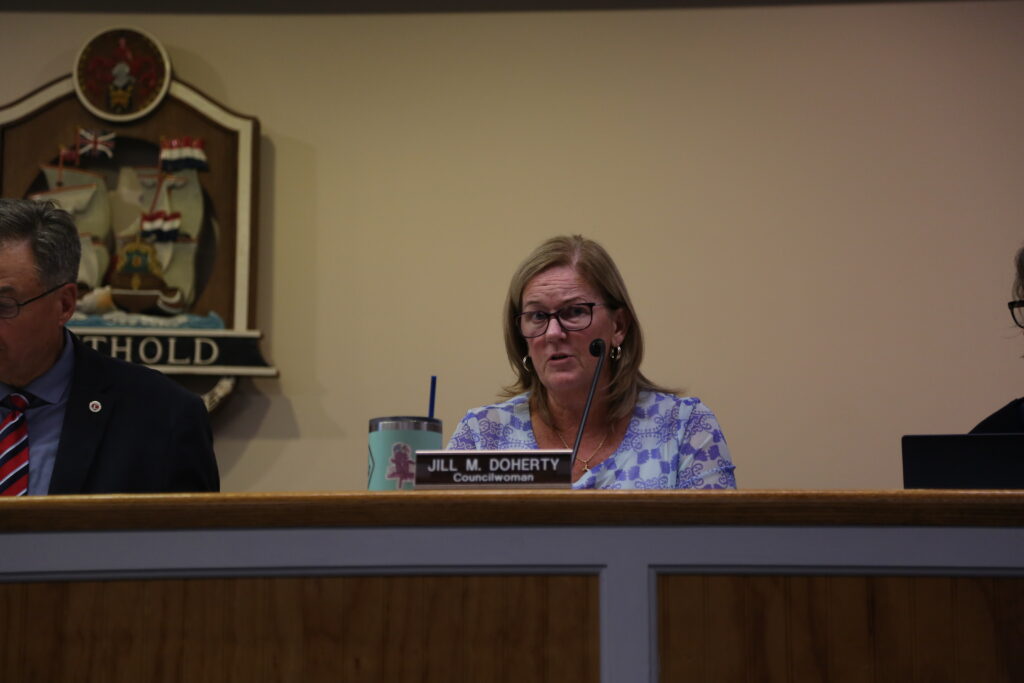
Councilwoman Jill Doherty raised concerns at both hearing sessions but ultimately joined the rest of the board in approving the budget. She said she wanted to find a way to restore staffing.
“Through budget talks, I’ve made it known that I’m very concerned that we’re not refilling that position, and I would like to find a way to refill that position,” Ms. Doherty said.
The spending plan calls for a $46.22 million property-tax levy. Residents’ bills vary by location and assessment because they pay different combinations of town, highway, solid-waste and outside-village taxes, along with school and other district taxes.
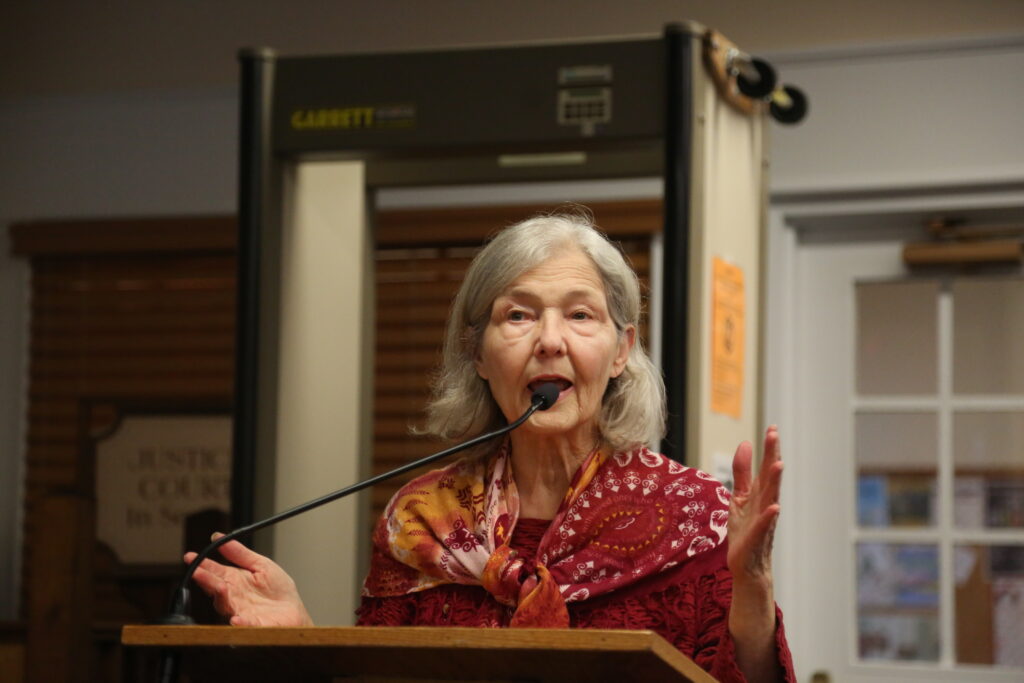
East Marion resident Anne Murray said residents should understand the Highway Department’s financial constraints.
“I didn’t know Dan’s budget is so tiny — people should know that,” she said. “He’s going to take the heat for what you’re not allowing him to do.”
The discussion also turned to how residents distinguish town spending from school and other district taxes.
“I think the majority of people in this town pay more money in school taxes than anything else. And you need to educate them about that, because they always blame the town, and you know this because you listen to them,” Ms. Murray said.
Mr. Goodwin said he has spoken with residents about what portion of their taxes goes toward the Highway Department — about 3.5%, he said.
“When I tell them that, they usually pause for a moment,” he said.
Mr. Krupski said the town would post a pie chart on its website showing the breakdown among taxing jurisdictions. Ms. Murray suggested public outreach to explain what goes into residents’ bills.
“So it might be good, as Dan suggested, to do a listening tour with the public, and do a talking tour as well,” she said. “Educate people with what goes into their tax bill.”