Residents clash with Southold town over new docks ban proposal
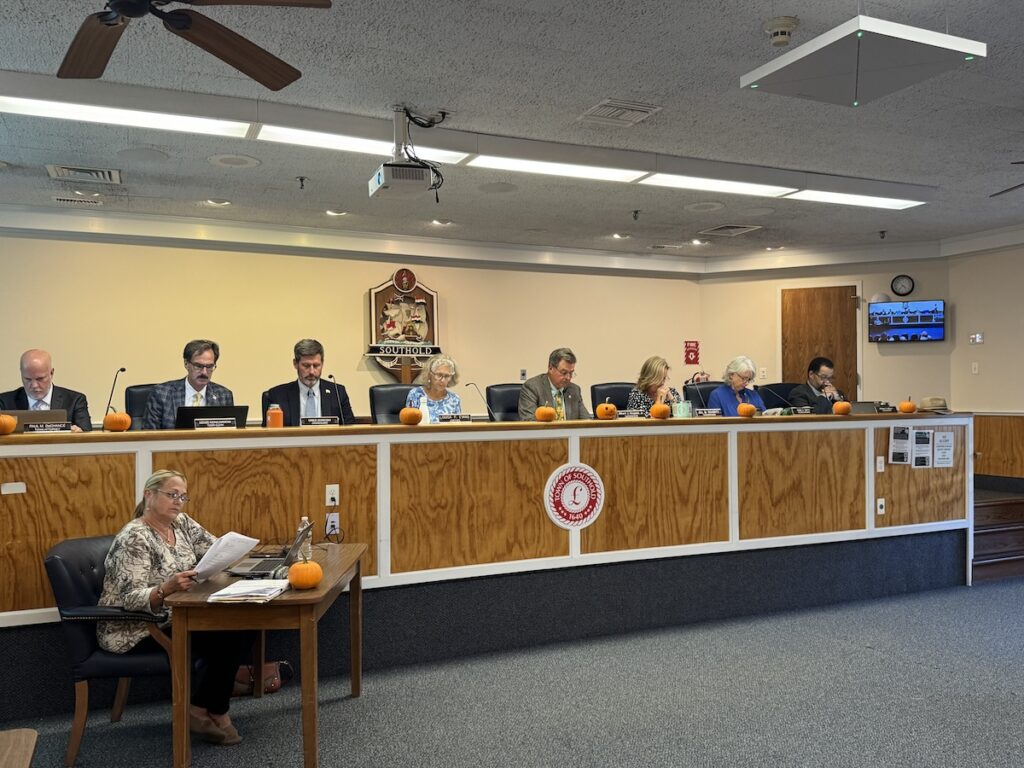
A proposal to expand Southold Town’s wetlands regulations — including a ban on new residential docks at nine more waterways — sparked sharp debate at a public hearing between environmental advocates and property owners who say the changes go too far.
Town Trustees Liz Gillooly and Eric Sepenoski — both running for reelection next month — advocated for the law change, crafted with local development trends in mind.
“The theory of this change is to preserve small water bodies that are already distressed from increased development pressures,” Ms. Gillooly said at the hearing, held Tuesday, Oct. 7.
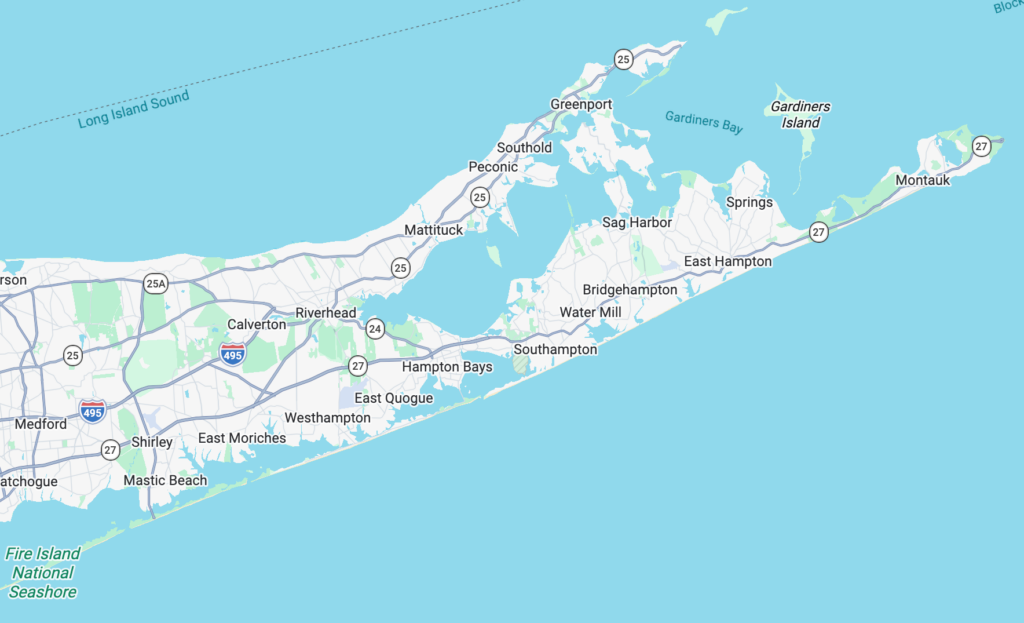
The town’s existing code bans new residential docks at 17 wetland locations. The proposal would add Laurel Lake, Marion Lake, Marratooka Pond, Husing Pond, Lilly Pond, Great Pond, Inlet Pond, Hashamomuck Pond and Dam Pond to that list.
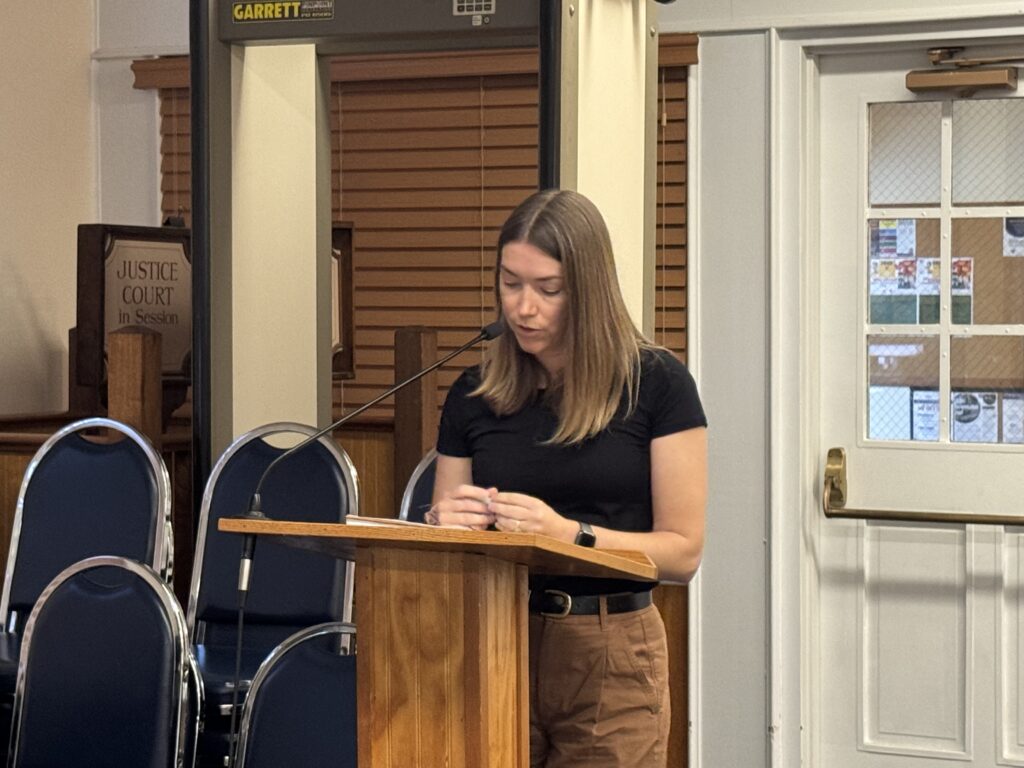
Some residents argued that the inclusions would create environmental and economic hardships for their properties and the wetlands in question.
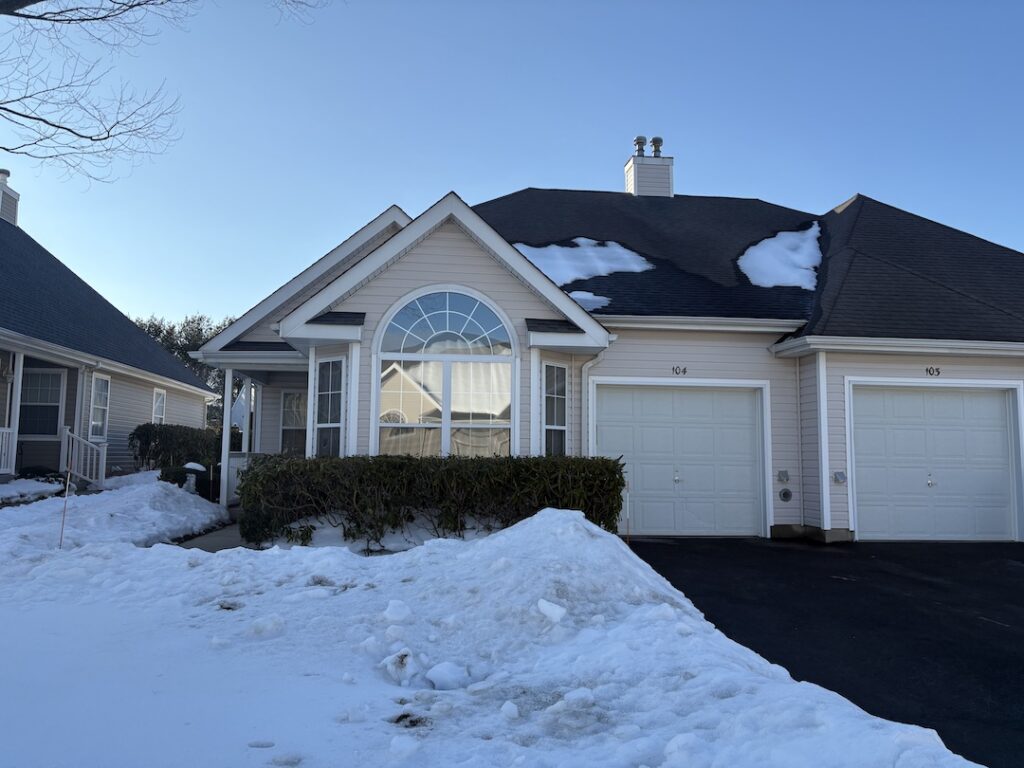
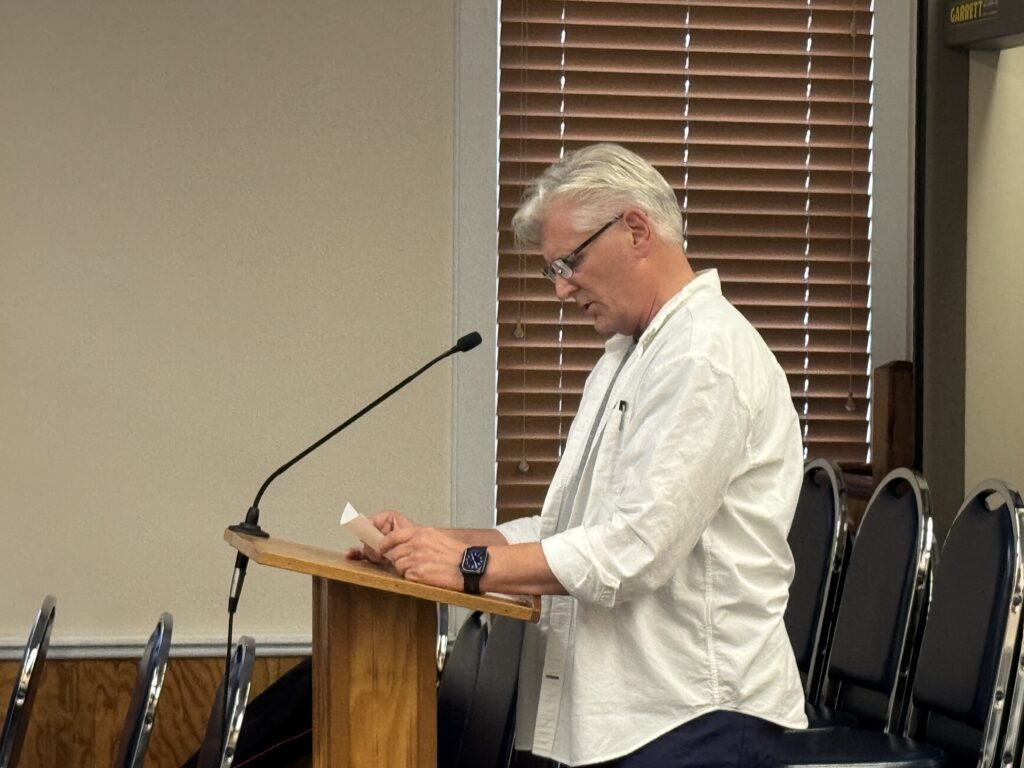
Kevin Cline, whose home is on Laurel Lake, questioned why the lake was included. Its inclusion would likely impact only his property — 12 of the 16 homes there already have fixed docks or large deck structures over the lake.
Mr. Cline had been going through the process of obtaining a permit to build a dock.
Glen Pressler, whose home is on Great Pond, said he has to walk through 25 feet of wetland vegetation to get into his kayak, then navigate additional vegetation to get going.
“If there was a dock I’d be able to walk on that over the wetlands, none of this would be happening,” Mr. Pressler said. “I’m very conscious of it and it bothers me that the deterioration just over this season in my yard alone is a concern of mine.”
John Pitman, who lives near Hashamomuck Pond, echoed concerns. His family has owned the property for about 105 years, he said.
“This is a maritime community which is part of the allure and economy of this area,” Mr. Pitman said. “Following proper dock design, just like improving septic systems, would be a reasonable goal.”
Patricia Moore, another Hashamomuck Pond homeowner, said Southold has “become the town of ‘no’ and the town of regulations.”
She’s frustrated that property owners can’t file an application without hitting a regulation.
The code changes would also double some setback requirements for pools near wetland boundaries.
Under the proposed law, swimming pools would be required to maintain a 60-foot setback from wetland boundaries. Pools with retaining walls higher than two feet above ground level would face an even stricter 100-foot setback.
The proposed changes could streamline code enforcement by removing Conservation Advisory Council review from the application process and introducing new technical definitions, including:
- Innovative septic systems: Advanced wastewater treatment systems using aeration, filtration or enhanced biological processes
- Open-grate decking: Specialized decking that allows light penetration to protect underwater vegetation
- Vegetated non-turf buffers: Areas with at least 50% coverage by native non-invasive vegetation, excluding turf grass
Conservation Advisory Council chairwoman Carol Brown supported the proposed law, calling it exceptional, intentional and educational.
Key clarifications include requiring “as-built plans” that document current property conditions around wetlands and highlight any differences from valid permits. The board also tightened the definition of “ordinary and useful maintenance” from affecting no more than 75% of a structure to just 25%.
One resident asked that the percentage be clarified in the code — specifying whether it pertains to the structure’s area or monetary value.
Additional changes expanded the definition of “impervious surfaces” to include mortared patios and compacted surfaces that limit water infiltration.
Town Supervisor Al Krupski acknowledged the complicated nature of the issue and the town’s efforts to balance private and public interests. Town Board members Greg Doroski and Jill Doherty echoed that sentiment.
Public comment will remain open until the Town Board’s Wednesday, Nov. 5, meeting at Town Hall. Written comments can be submitted to the town clerk’s office.