Greenport Planning Board proposes framework to address housing, vacancies
Greenport residents and business owners have been making sure their voices are heard by the planning board, expressing concerns at board meetings and sharing their thoughts by answering a village-wide survey.
The village is taking the first steps in addressing some of the concerns. Before its Aug. 14 work session, the planning board released two discussion pieces on framework amendments relating to housing and a vacancy registry, both of which were among the most discussed at meetings and through the survey.
The framework amendments are just preliminary drafts, concepts and recommendations for potential code amendments, and can be modified in the future.
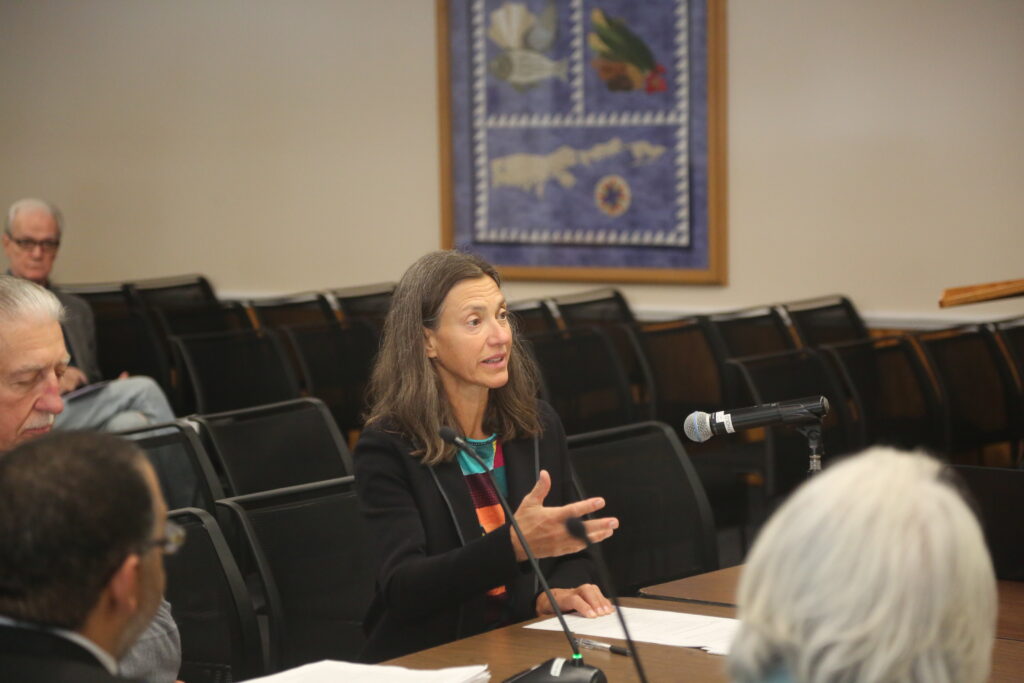
“We have heard loud and clear that the community views housing and the condition of vacant properties as two of the most pressing issues in Greenport,” chairwoman Patricia Hammes said at the work session. “That feedback has helped us identify some key policy objectives.”
Housing
The package of proposed amendments regarding housing throughout the village is stated as “targeted, simple changes to encourage more year-round housing.”
Over time, the village said it hopes it can add more measures to promote affordability; address seasonal employee housing; expand ownership options; and protect against any more losses of year-round housing options. The idea is also that the amendments are paired with clear, enforceable regulations for residential rentals.
There are a few key objectives the village is aiming for, including: maximizing the resources available; fostering community cohesion; creating a welcoming environment for everyone; blending in rather than standing out; and providing homes for neighbors rather than tourists. That being said, residents did speak at the meeting about the need for workforce housing as an issue as well.
“We have to look at housing as a multi-faceted issue,” Business Improvement District president Nancy Kouris said. “It isn’t just affordable housing, but it is workforce housing, and it is market-rate housing, because the market-rate housing will allow people to have much more available funds to use in our village businesses. We really need that housing. Even though the BID always looks like we’re looking out for business, we’re looking out for everyone.”
Greenport Village shared six proposed first-step code changes. The first is to allow and encourage apartments/multi-residential buildings in commercial districts, including upper floors and accessory structures. Multi-residential building in this case refers to properties with three or more dwelling units.
Going along with accessibility, another proposed change would be to permit small-scale, compatible housing in residential neighborhoods. Another would be to allow the repurposing of single-family homes into duplexes or small multi-residential buildings.
Other changes aim to ensure that new housing fits in with the village’s look and feel, to preserve existing buildings whenever possible, and to establish clear rules and predictable approvals. Complete descriptions of each proposed change can be viewed on the village’s website.
“These are suggested or first steps that we think are issues that may need to be solved or addressed in sequence as opposed to all at the same time,” said planning board member Frances Walton. “By taking certain actions initially, it may help formulate the right policies down the road for some of the other issues, such as workforce housing, which I personally feel is critically important.”
Vacancy Registry
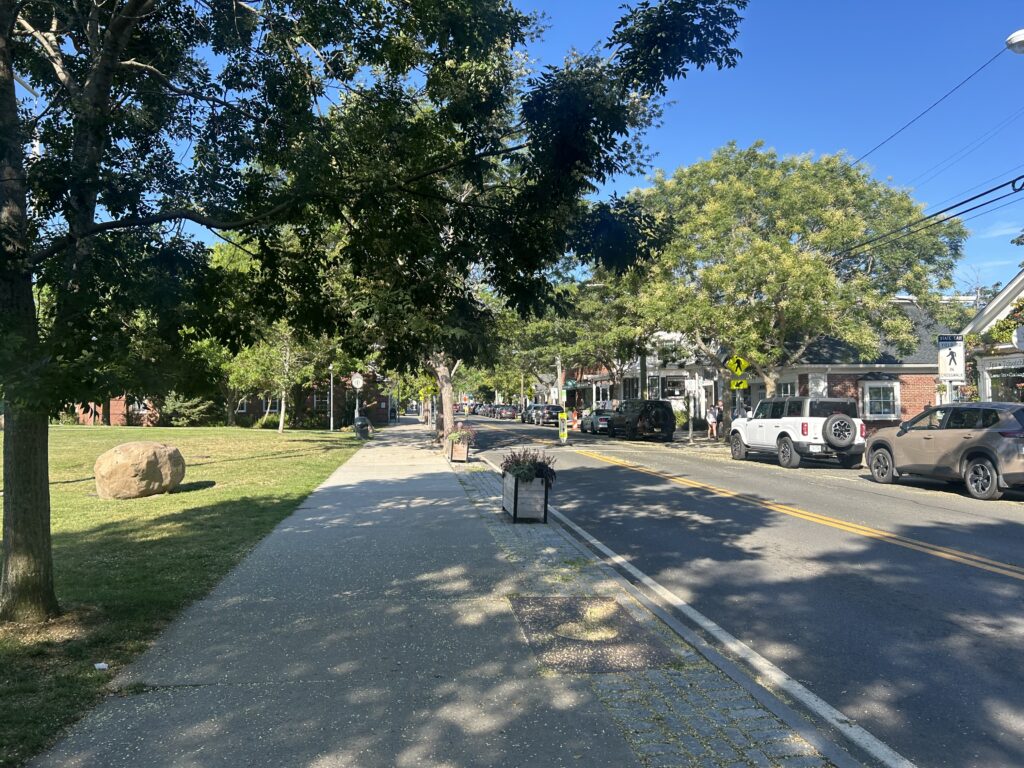
A major concern expressed by community members is long-term vacancies, both in the downtown commercial district and residential areas.
“I know this is an issue that generates a lot of frustration,” said Ms. Hammes. “Many of us walk past the same empty storefronts, unused buildings or unoccupied homes, and we all wish something could be done to bring them back to life. The planning board survey clearly identified this as a major item of concern for both village residents and businesses.”
Staying in line with the housing aims, the village revealed six points they want to address and achieve. The first of which, with no surprise, is to have active storefronts year-round. The idea would be to have the ground-floor spaces be open, inviting and help make downtown Greenport feel more lively. This would also, in turn, help make the downtown area more of a destination for residents and visitors.
The proposed amendments also aim to include property owners as partners and be flexible toward options until long-term tenants are found. The hope is that these points would help make the most of what the village has to offer and promote a strong local economy.
A vacancy registry would require owners of long-vacant properties to register, pay an annual escalating fee and provide contact information for leasing inquiries. The vacancy would distinguish between commercial and residential vacancies, with possible exemptions for properties that are used seasonally, are compliant short-term rentals, undergoing active renovations or are pop-up activations.
“I think people who own properties have a right not to use them. They don’t have a right not to maintain them,” said planning board member Daniel Creedon. “There are a few houses around the village that I think appear to be dangerous, but I’m not a building inspector, and I haven’t come up onto the properties. I would think it would be wrongheaded to try and have a vacancy register rather than addressing a blighted building registry.”
The registry would require the maintenance of the vacant properties, ensuring secure access. Also, all ground-floor spaces would need to have art, displays, or other approved treatments, meaning there could be no empty windows or visible storage. There would need to be regular inspections, and residents or business owners would be allowed to request inspections of any suspected vacant properties, with safeguards. The board acknowledged it may not solve everything, but it’s a first step.
“We acknowledge it’s not the be-all end-all in terms of fixing the problem, but even creating that framework to address maintenance and security issues,” said Ms. Walton, “is critically important for the neighbors surrounding an abandoned property at the residential level, and for maintaining the vitality of our commercial district as well.”