For Valentine’s Day, food is the real love language
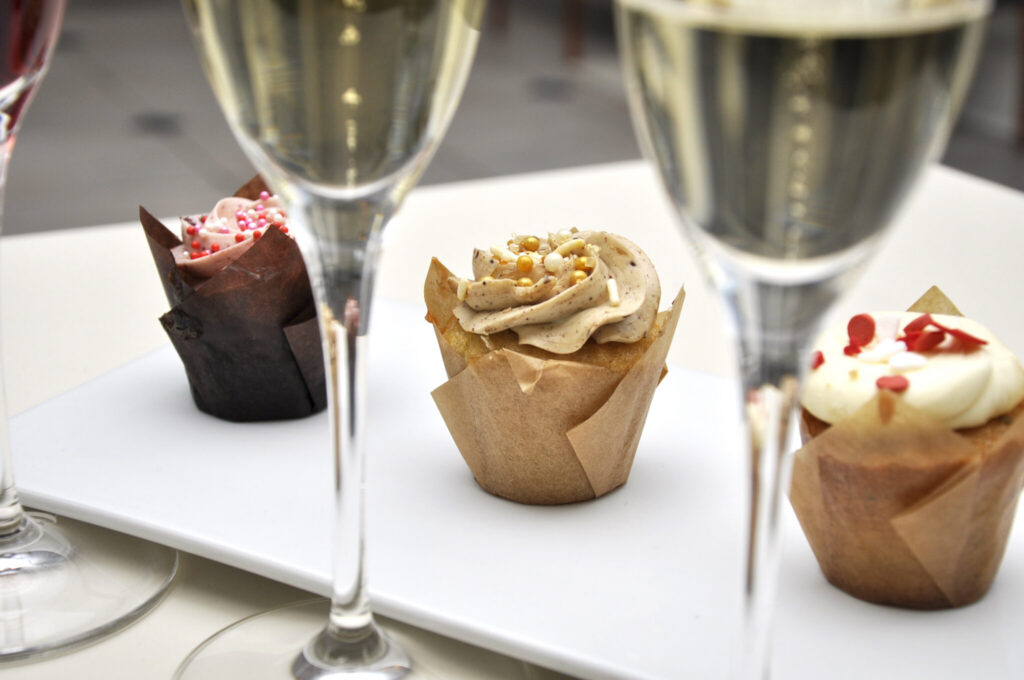
Food is the heart of St. Valentine’s Day.
On a bitterly cold day this winter, the Rev. Stephen Adkison came home to find his daughter had cooked a giant pot of chili, along with cornbread, shredded cheese and Fritos. One look at the spread was enough.
“I love you!” he blurted, wrapping her in a hug. The pastor of the Shelter Island Presbyterian Church felt cared for. The chili was delicious, too.
For many people, that’s what Valentine’s Day really looks like — not roses or crowded restaurants, but food made with care.
The Hallmark holiday began as a feast day honoring a third-century martyr and only later became associated with courtly love.
But history was not on the minds of the limber participants in my regular Saturday morning exercise class when I asked them how they celebrate. They wanted to talk about how, and whether, to celebrate a day that can feel like a store-bought performance.
Connie Lustofin and her husband stopped celebrating Valentine’s Day after their first one, when he stood in line for an hour to pay $50 for a dozen roses they could not afford. She implored him not to do that again, and since then they have skipped the holiday.
Which raises the question: What if he had given her a chocolate chip cookie?
For some couples, love looks like dinner. Barre instructor Suzette Smith and her husband, Steve, have a Valentine’s Day tradition of eating oysters and lobster followed by a “Chocolate Rose Cake.”
Rory Satran prefers to go out for a special meal — just not on Feb. 14. She hates the prix-fixe menus and the crowds, so she and her husband pick a night a week or so earlier for a nice dinner and order something special from the menu.
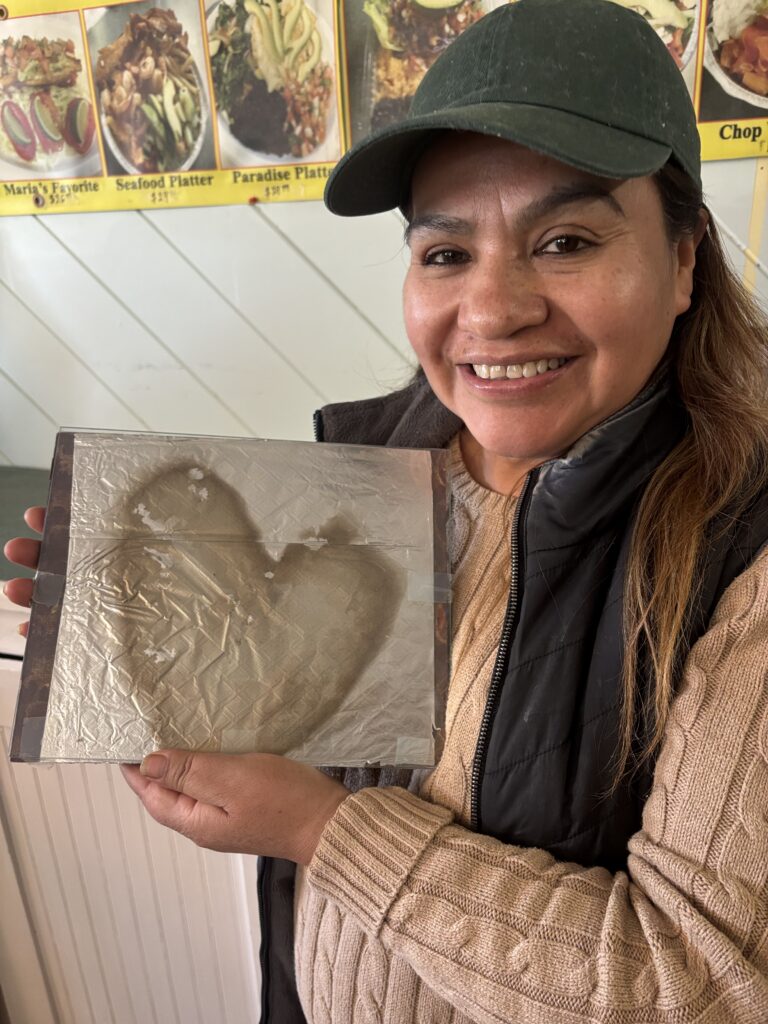
Love is Maria Serrano’s inspiration for everything she cooks at restaurant Maria’s Kitchen, symbolized by the photograph of a heart on what appears to be aluminum foil that hangs framed near the door to the kitchen.
“I was making soup … and that heart came up. For me it’s very, very special,” she said. “And another time all the pulp from the carrots formed a heart in the juicer.”
One of Cindy Belt’s favorite childhood photos shows the kids in aprons, mixing bowl in front of them and a good bit of flour strewn about.
“Love is an essential ingredient of homemade cookies,” she said.
When the Belt/Cappellino clan visits her husband’s parents, Ms. Belt says it’s impossible to leave without jars of homemade sauce.
“Food is definitely the love language of the Cappellino side of the family,” she said.
Ms. Belt also makes personalized cookies for the Shelter Island volleyball players she coaches for the final away game of the season. The cookies, with vegan or nut-free varieties as needed, have each player’s name and number.
“A sweet treat is my way of showing them how much I appreciate their effort,” she said.
Shelter Island Library director Terry Lucas recently lost her mother, but the intense connection between food and love that her mother showed her is still alive.
“I have been thinking about all the dinners and packed lunches and goodies for bake sales that she made,” Ms. Lucas said. “When we were sick, she would make Campbell’s tomato soup and serve it with Saltine crackers. I still want that meal when I’m feeling sick or sad.”
Nowadays, Ms. Lucas makes sure her refrigerator is stocked with everyone’s favorite foods when her children and grandchildren come to visit. And when her granddaughter asks for “a little snack,” filling a few bowls with berries and goldfish and an occasional chocolate chip says “I love you” in the best possible way.
Perhaps that’s the simplest Valentine’s formula: skip the roses and make something warm. For many of us, love doesn’t arrive in a box — it comes from the kitchen.